



At 22:15 on a Thursday night in June 2026, a drone hovering above Khao Na Yak Beach in Phang Nga picked up a dark shape dragging itself up the sand. It was Mae Namo — a leatherback sea turtle already known to the rangers of Khao Lampi–Hat Thai Mueang National Park — and she had come back to lay her sixth nest of the season [ref:1]. For Thailand's largest and rarest nesting sea turtle, six clutches from a single female in one year is the signature of a strong, healthy breeder, and a small but real sign that decades of patient conservation work on the Andaman coast are beginning to stick.
A 600-kilogram architect at work
Leatherbacks (Dermochelys coriacea) are not like the other sea turtles that share these waters. They are enormous — adults can weigh more than 600 kilograms and stretch over two metres long — and alone among sea turtles they have no hard shell. Their backs are a layer of tough, oily skin stretched over a mosaic of small bone plates, an evolutionary choice that lets them dive deeper than a kilometre and keep their bodies warm in cold water far from the equator. They eat almost nothing but jellyfish, and a single adult can consume hundreds of kilograms of them in a day.
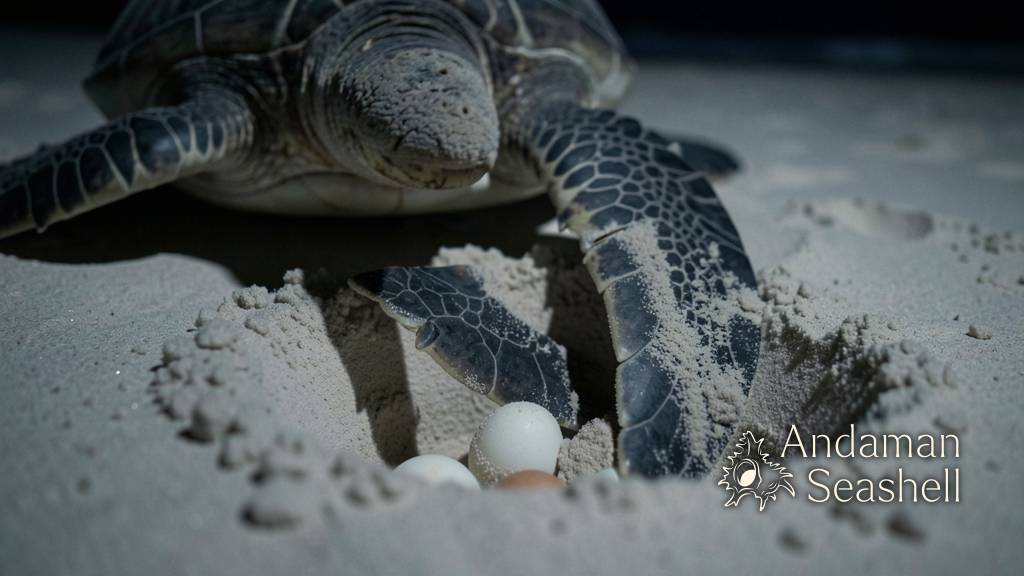
Watching Mae Namo nest is to watch a sequence refined over 100 million years. A leatherback emerges slowly from the surf, pauses to "smell" the air with her eyes closed, then crawls to a spot above the high-tide line. She clears the sand with all four flippers to form a shallow body pit, then scoops a narrow egg chamber with her hind flippers alone — a precise, repeated gesture like a hand cupping water. Park staff measured this chamber at 96 centimetres deep. Only then does she lay. For Mae Namo's sixth clutch that meant 123 eggs: 107 viable and 16 smaller, infertile ones biologists believe help cushion the clutch underground [ref:1]. When she is finished she buries the chamber, throws sand in every direction to hide the site, and returns to the sea, never looking back. She will not tend the nest; the warmth of the sand does that.
Why six nests matters
A female leatherback does not nest every year. She returns to breeding grounds roughly every two to three years, and in each breeding season she lays multiple clutches — typically five to seven — spacing them about ten days apart so her body can recover. To reach six, Mae Namo had to haul her enormous frame up the beach six separate nights across the season, investing enormous energy each time [ref:1]. That is what makes her a "super mum" in the rangers' phrasing: not a fluke, but a female in peak condition with access to rich feeding grounds and an undisturbed coast.
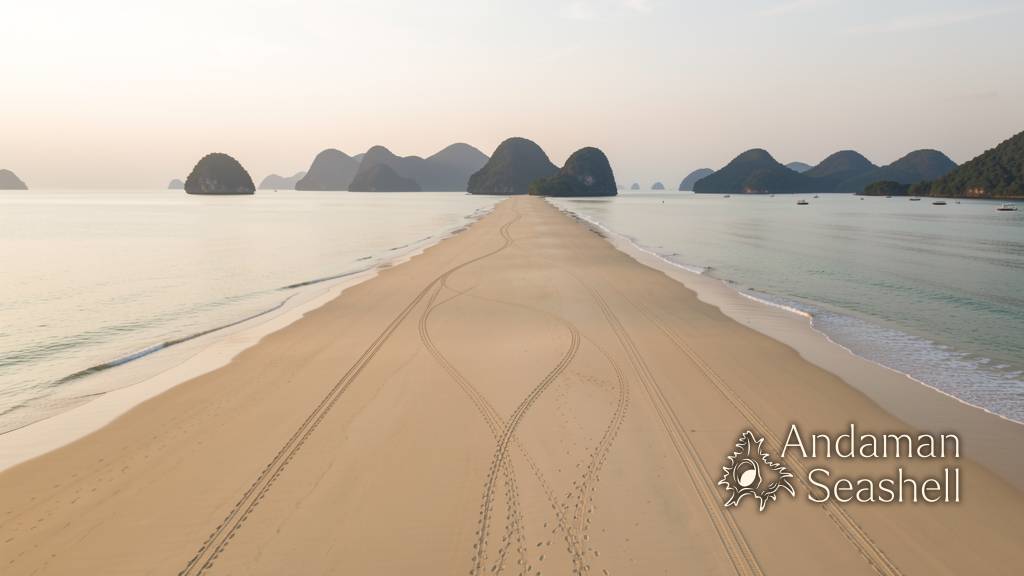
The Phang Nga and Phuket shoreline is one of the few places in Thailand where leatherbacks still come to nest at all. Their numbers crashed over the late twentieth century — eggs harvested for food and sale, adults caught in fishing gear, nesting beaches lit up by development — and they never recovered as quickly as the green and olive ridley turtles did. So each returning female is counted. Nearby Ko Phra Thong has recorded leatherback clutches of its own in recent seasons [ref:2][ref:3], and the wider Andaman coast saw fresh nests earlier in 2026 [ref:2]. Read together, these are the early, fragile indicators of a population edge slowly turning upward.
The people who wait up with her
Mae Namo did not nest unseen. She was spotted by a joint patrol from Khao Lampi–Hat Thai Mueang National Park and the Marine National Park Education and Research Center No. 2, based in Phuket, using an unmanned aerial vehicle to cover more beach in less time [ref:1]. Rangers stayed with her until she finished laying, confirmed her identity against earlier records, and logged the nest.
The site she chose sat low on the beach, at risk of flooding by spring tides, so the team did something that has become routine in this program: they carefully excavated all 123 eggs and moved them to a protected leatherback hatchery near the park's visitor centre, where they will incubate naturally under round-the-clock watch [ref:1]. Relocation is delicate work — the eggs must stay oriented and reach the new chamber undamaged — but it is often the difference between a clutch that hatches and one that drowns. In roughly 55 to 65 days, somewhere around mid-August, the hatchlings should emerge and make their sprint to the Andaman Sea.
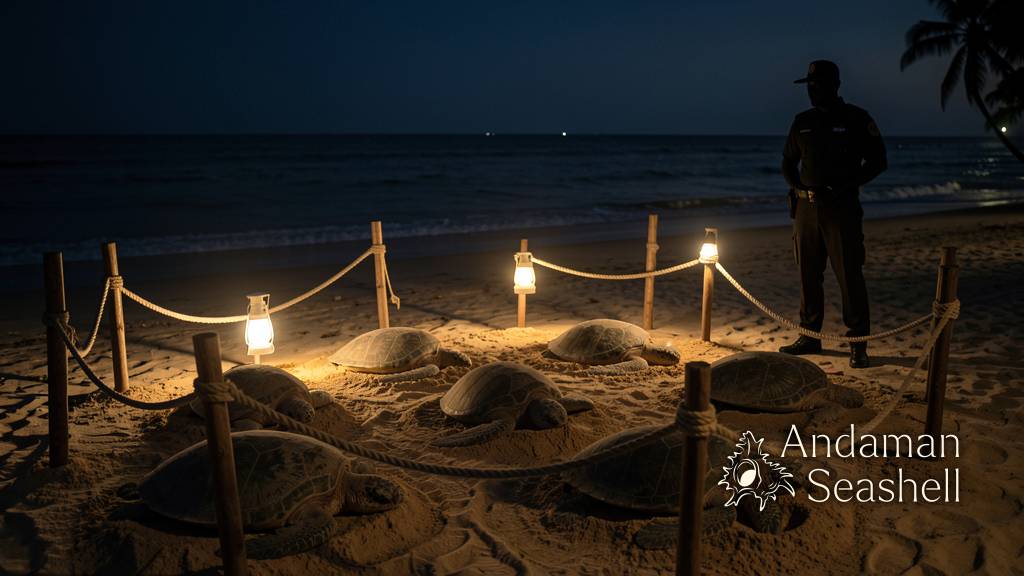
That a single turtle's sixth nest now makes the news is itself a measure of how far this coast has come. Mae Namo is not a symbol of rescue completed; she is evidence that a watched, guarded, lightly trodden shore can still be a place where a 600-kilogram animal comes home [ref:4]. For the communities of the Phang Nga coast, that is heritage worth staying up late for.
References
- Khaosod English — Super mum leatherback 'Mae Namo' lays sixth nest on Thai beach
- Pattaya Mail — Rare Leatherback Sea Turtle nest found along Thailand's Andaman coast
- Nation Thailand — 127 eggs laid by leatherback sea turtle found on Koh Phra Thong
- Thai PBS World — Bringing turtles back from the brink


No comments yet. Be the first to share a thought.