



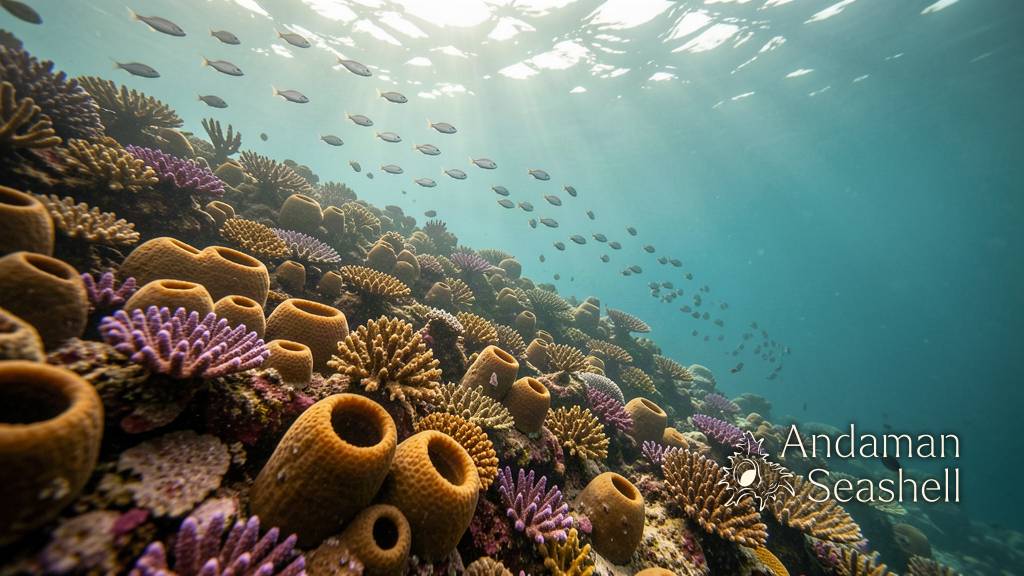
Under a coral ledge somewhere in the world's warmer seas, an unremarkable orange sponge is quietly running one of the most sophisticated chemistry labs on the planet. For five years, a team of European scientists bet that this sponge — and the trillions of microbes living inside it — might hold the ingredients for tomorrow's medicines. In October 2026, the gamble delivered its first results: five promising new compounds are moving to the next stage of development, candidates for new medicines, crop protection products, and treatments for fish diseases. [ref:1]
A treasure hunt measured in six figures
The project, called MARBLES, was funded by the EU's Horizon 2020 programme and coordinated from Leiden University in the Netherlands by molecular biotechnology professor Gilles van Wezel. It ran from 2021 to 2026 and brought together 14 partner institutions from 10 countries — from DTU in Denmark and ETH Zurich to Naturalis Biodiversity Centre and SINTEF in Norway. [ref:3]
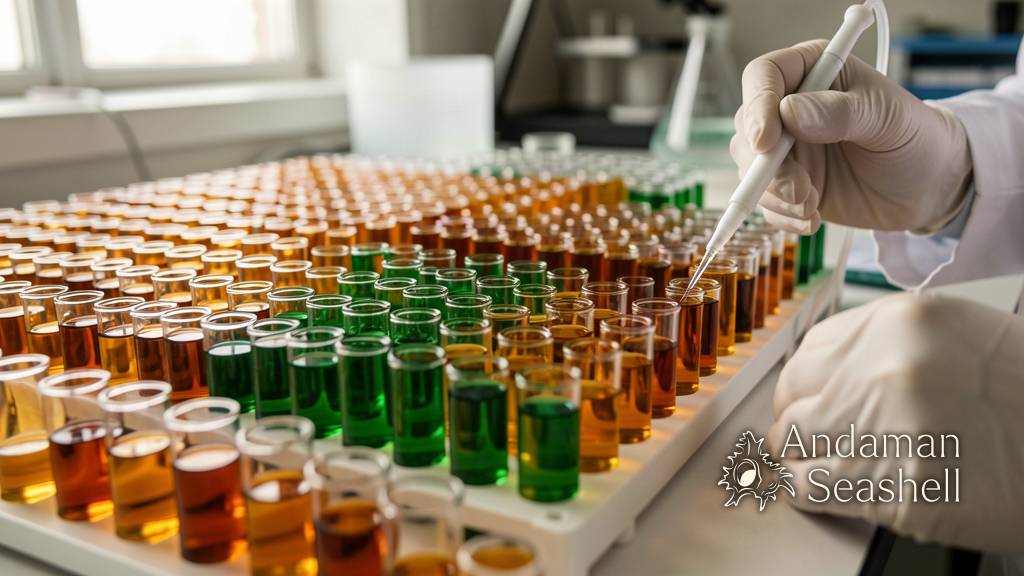
The scale of the search is the part that deserves a slow blink. The team analysed more than 1,200 microbial strains collected from marine sponges, microalgae, fish and salt-tolerant plants. From those strains they produced over 8,000 extracts — the concentrated chemical brew each microbe makes. Then came the patience: more than 160,000 biological tests, screening each extract against disease-causing organisms. Out of that haystack, several compounds and groups of microorganisms showed a genuine talent for suppressing disease. Five of the best are now advancing. [ref:1]
Why the sea makes molecules land cannot
The logic behind the hunt is beautiful. "Marine ecosystems are particularly promising," project manager Mariana Avalos Garcia explains. Organisms underwater live with intense competition, constant disease pressure and environmental stress — so they evolve chemistry that is often very different from anything found on land. [ref:1] The EU's own results brief for the project makes the same point: marine microbes produce novel protective compounds unlike terrestrial ones, which is exactly why they're worth the 160,000-test effort. [ref:2]
The locked library and its keys
Here is the puzzle that makes this field so stubborn. Many microbes already carry the genetic instructions for interesting compounds — but in the lab, those genes simply stay switched off, grouped in what biologists call biosynthetic gene clusters. The Leiden group tested signalling molecules called elicitors to wake them up. Avalos Garcia's image is a gift: microorganisms contain "a library full of books, but most of those books are locked." Finding an elicitor is finding the key that opens the unread shelves. [ref:1]
Medicine that leaves the reef alone
Perhaps the most quietly important detail is how the five compounds will be made. Rather than returning to the sea again and again to collect sponges, the researchers grow the microbes in the lab and produce the compounds by fermentation — the same ancient craft that gives us bread and soy sauce, scaled to biotechnology. "Biodiscovery only makes sense if it doesn't harm or undermine the biodiversity it depends on," says Avalos Garcia. [ref:1]
There is a field bonus, too. Researchers Jos Raaijmakers and Victor Carrión searched among salt-tolerant plants for microbes that could help crops withstand increasingly salty soils — a gift for coastal and delta farmland facing brackish water. [ref:1]
A new generation carries the map
Beyond the compounds themselves, MARBLES trained dozens of PhD candidates and postdoctoral researchers across microbiology, chemistry, bioinformatics and sustainability — a crew of explorers ready for the next expedition. [ref:1]
And the ocean still holds most of its secrets. Scientists have explored only a tiny fraction of the world's microbial diversity, so the cabinet is far from empty. [ref:2] Somewhere in a sponge not yet sampled may be sitting the molecule that matters most — and thanks to fermentation, we won't need to strip the reef to borrow it.


No comments yet. Be the first to share a thought.