



On a clear night in Phang Nga, a child can learn the sky by watching one bright point return above the same palm tree. Far away on Cerro Pachón in northern Chile, NSF–DOE Vera C. Rubin Observatory has just begun doing that with the whole southern sky — not once, but again and again for ten years [ref:1].
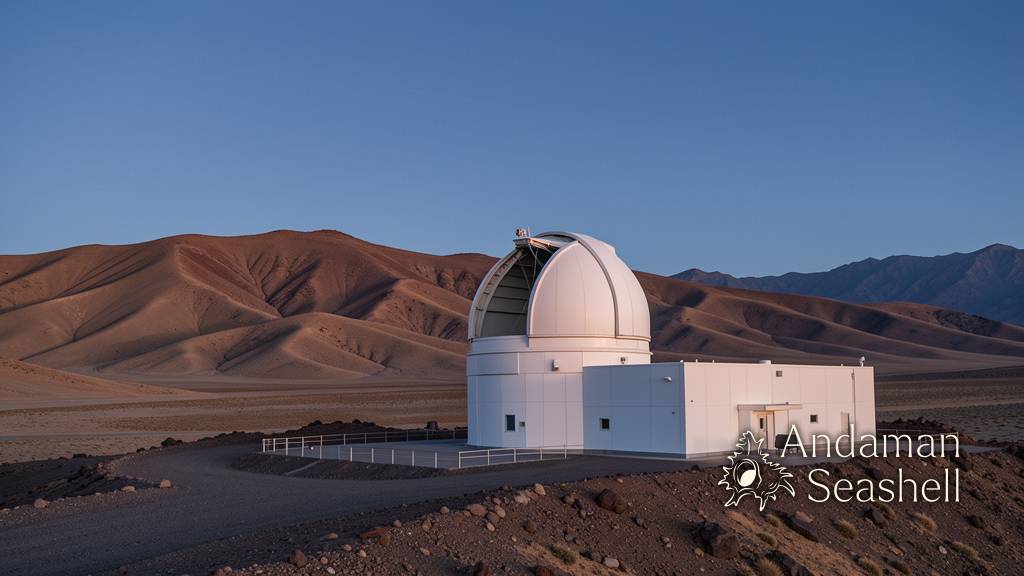
This is the Legacy Survey of Space and Time, usually shortened to LSST. Rubin Observatory announced on 30 June 2026 that the survey has officially started, describing it as the beginning of the “greatest cosmic movie ever made” [ref:1]. That phrase is not just poetic. It is a very good way to understand the science: Rubin will take repeated images of the sky so astronomers can notice what moves, brightens, fades, appears, or changes.
A telescope that watches like a patient beachcomber
If you have ever searched for shells after the tide turns, you already understand the basic idea. One glance at the sand tells you something. Returning to the same stretch of beach every few minutes tells you much more: which ripples are new, which shells have rolled in, which crab trail was made since you last looked.
Rubin is built for that kind of patient noticing. Its LSST will observe the southern sky every few nights over a decade [ref:2]. Instead of one beautiful postcard of space, it will build a time-lapse record — a cosmic flipbook — that helps researchers follow moving objects in our Solar System, map the Milky Way, study dark matter and dark energy, and explore the “transient” sky: things that change in brightness or position [ref:2].
The scale is wonderfully huge. Rubin’s own explainer says the observatory will take hundreds of images of the Southern Hemisphere sky every night for ten years and produce about 10 terabytes of data per night, adding up to about 30 petabytes by the end of the survey [ref:2]. A petabyte is one million gigabytes. Imagine a library so big that the shelves are made of starlight.
The camera is the storyteller
The star of the hardware is the LSST Camera, described by Rubin as the largest digital camera ever built for astronomy and astrophysics [ref:2]. KIPAC at Stanford describes the telescope as a wide-field survey machine on El Peñón peak at Cerro Pachón, with a 9.6-square-degree field of view and pairs of 15-second exposures during full survey operations [ref:3].
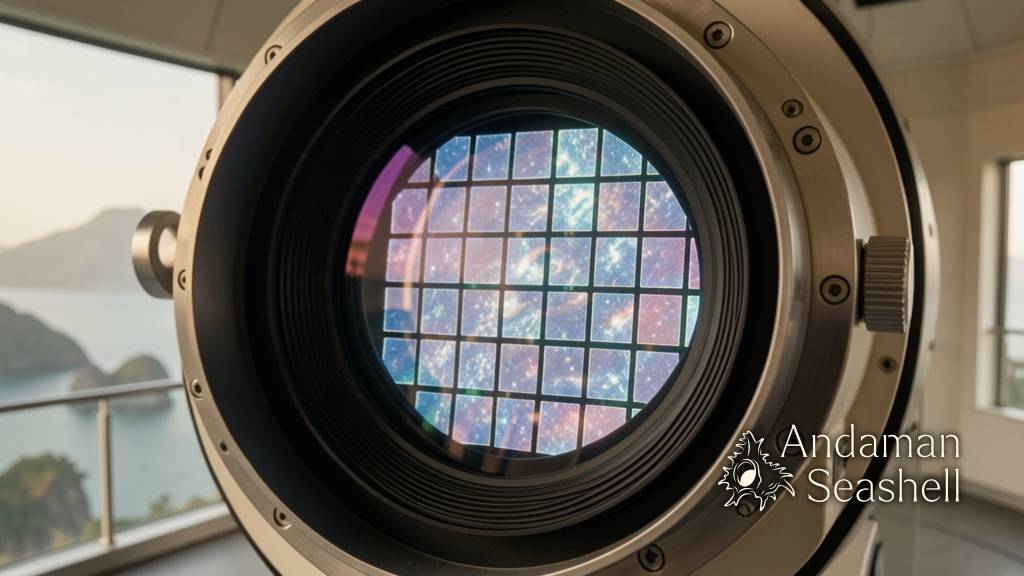
That field of view matters. A normal telescope can look deeply at one small piece of sky. Rubin is designed to look wide, then return, then return again. It is a little like taking a careful photo of a whole market street every few minutes instead of one close-up of a single stall. Suddenly, movement becomes visible: a bicycle passes, a vendor opens a basket, a lantern turns on.
In the sky, those changes might be an asteroid shifting position, a supernova growing bright in a distant galaxy, or a variable star pulsing like a heartbeat. Rubin’s value is not only that it sees far. It remembers where it looked and comes back.
Why families should love this mission
The best thing about Rubin is that it makes modern astronomy feel shareable. Rubin says many astronomers using the data may never visit the telescope in person; instead, they will access discoveries through the Rubin Science Platform using an internet browser [ref:2]. That is a beautiful idea: a mountain observatory in Chile gathering light, and curious people around the world learning from it.
For Andaman readers, there is also a coastal way to feel the mission. The Moon teaches tides by returning. The monsoon teaches seasons by returning. A favourite shelling beach teaches attention because it is never exactly the same twice. Rubin brings that same rhythm to the universe: look, return, compare, wonder.
Try this tonight
After sunset, choose one small patch of sky above a roofline, coconut palm, or boat mast. Notice three things: the brightest point, the faintest star you can see, and the colour of the sky around them. Come back tomorrow at the same time. You will not be doing LSST, of course — Rubin has a mountaintop telescope and a world-class camera — but you will be practicing the same habit: patient noticing.

That is the friendly magic of the greatest sky movie. It begins with advanced engineering, giant data sets, and global science. But it also begins with the simple human pleasure of looking up, coming back, and discovering that the universe has moved a little while you were away.


No comments yet. Be the first to share a thought.