



A clear dish on a workshop table can feel like a small tide pool: one tiny body, one careful lens, and a room full of scientists leaning in with the same bright curiosity that makes beachcombing so addictive.
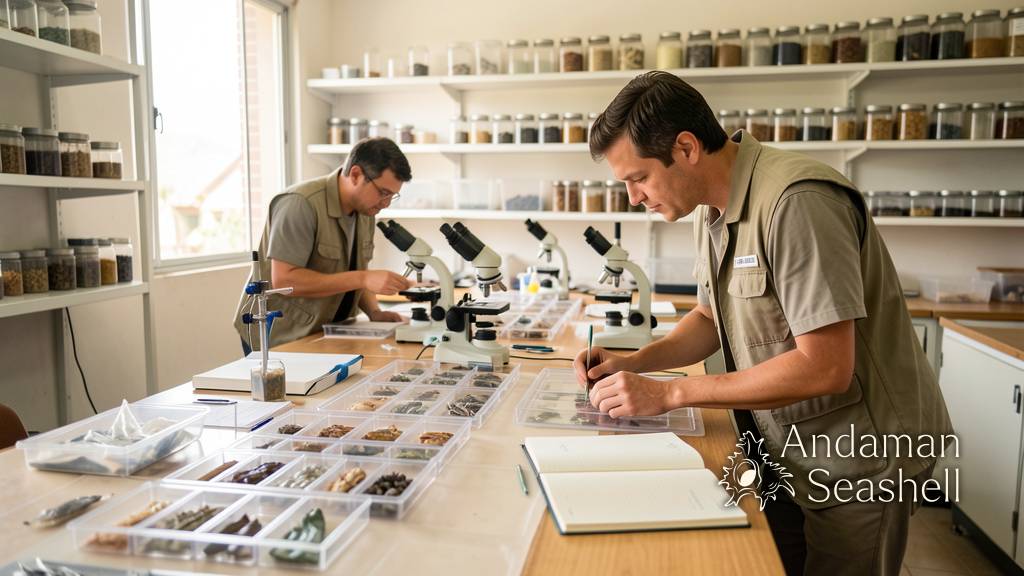
That is the spirit behind the Ocean Census Schmidt Ocean Institute Argentina Species Discovery Workshop, announced by Ocean Census on 13 July 2026. In Buenos Aires, taxonomic experts are gathering to examine marine life linked to the 2025 Schmidt Ocean Institute expedition in Argentina’s Mar del Plata Canyon, a richly textured undersea landscape in the South Atlantic [ref:1].
For readers on the Andaman coast, the setting may be far away, but the feeling is familiar. Anyone who has bent over a Phang Nga tide pool, noticed a patterned shell, or watched a tiny shrimp flick through clear water understands the first step of science: look closely, then look again.
What happens at a species discovery workshop?
A discovery workshop is where ocean exploration becomes shared knowledge. Ships, remotely operated vehicles and cameras can bring back images, tissue samples and specimens. But a new species does not become useful to science simply because someone saw it. Experts need to compare its body shape, genetics, habitat and behaviour with known species.
That work is called taxonomy: the science of identifying, describing and naming living things. It is patient, visual and surprisingly human. A taxonomist may study the curve of a fin, the arrangement of tiny bristles, the colour bands on a shrimp, or the structure of a coral skeleton. Each detail helps answer a generous question: is this an old ocean neighbour we already know, or a new one ready to be introduced?
Ocean Census describes its mission as accelerating the discovery of ocean life so the information can support science, conservation and innovation. The programme says it works through a global alliance of marine institutes, museums, universities and partners [ref:2]. In plain language, it is building a faster bridge between the moment of discovery and the moment the world can learn from that discovery.
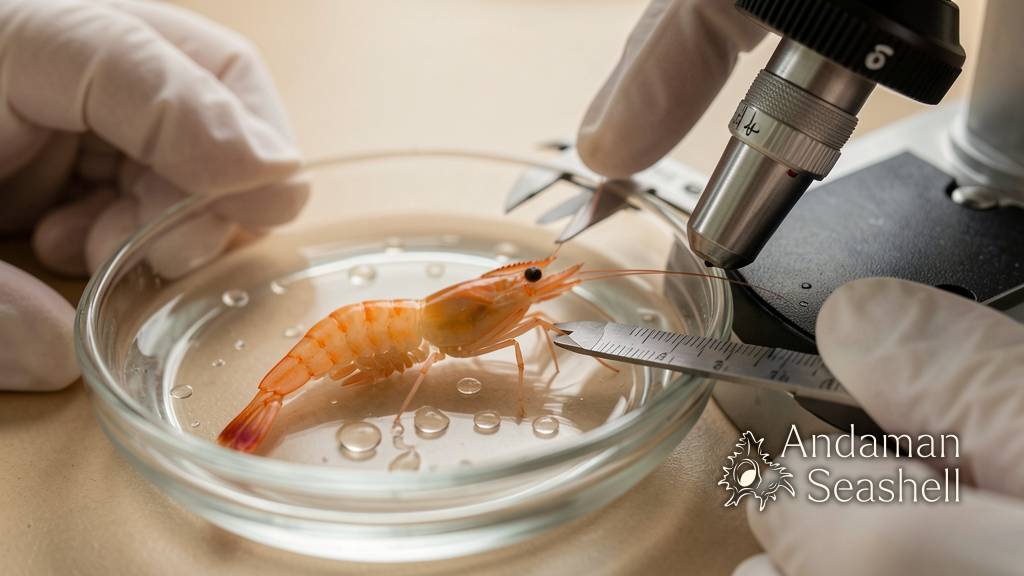
A year of remarkable ocean introductions
The July workshop follows a major Ocean Census update from May 2026. According to UN Ocean Decade partner coverage, scientists working with The Nippon Foundation-Nekton Ocean Census reported 1,121 previously unknown marine species in a single year, from 13 expeditions and 9 species discovery workshops [ref:3]. The same report described discoveries from depths reaching 6,575 metres, including a deep-sea ghost shark, corals, crabs, shrimps, sea urchins and anemones.
Those numbers are exciting, but the real beauty is the range. One new animal may live hundreds of metres down in the Coral Sea. Another may be a small ribbon worm from shallow water. Another may be a shrimp from a sea cave. Together, they remind us that the ocean is not one empty blue space. It is a library of neighbourhoods, each with its own architecture, food webs and small surprises.
Schmidt Ocean Institute’s 2026 expedition plan adds more context. Its programme for the Southwest Atlantic includes work on biodiversity, seamounts, midwater life and new observation technologies, using tools such as ROV SuBastian to document places that are still lightly explored [ref:4]. The workshop in Buenos Aires is part of that bigger rhythm: explore, document, compare, name, share.
Why naming matters
A name is more than a label. Once a species is described clearly, scientists can connect observations from different countries and years. Marine managers can recognise which habitats hold unusual life. Educators can show students that discovery is still happening now, not only in old books.
Ocean Census and its partners are also experimenting with faster data-sharing. The Nippon Foundation’s project page says the initiative aims to use biodiversity centres, DNA sequencing, high-resolution imaging and a cloud-based network of taxonomists to reduce the long journey from collection to registration [ref:5]. The goal is not speed for its own sake. The goal is to make ocean knowledge easier to use.
Here on the Andaman coast, that lesson feels close to home. A souvenir shell, a mangrove crab, or a flash of movement in a tide pool becomes more meaningful when we know what it is and where it belongs. Naming turns noticing into care.
The Andaman way to read this story
The best way to enjoy this news is not to imagine the deep sea as distant. Imagine the workshop table as a bright cousin of the beach: trays instead of tide pools, microscopes instead of sunglasses, experts instead of children crouching in the sand. The posture is the same. Everyone is leaning toward life.
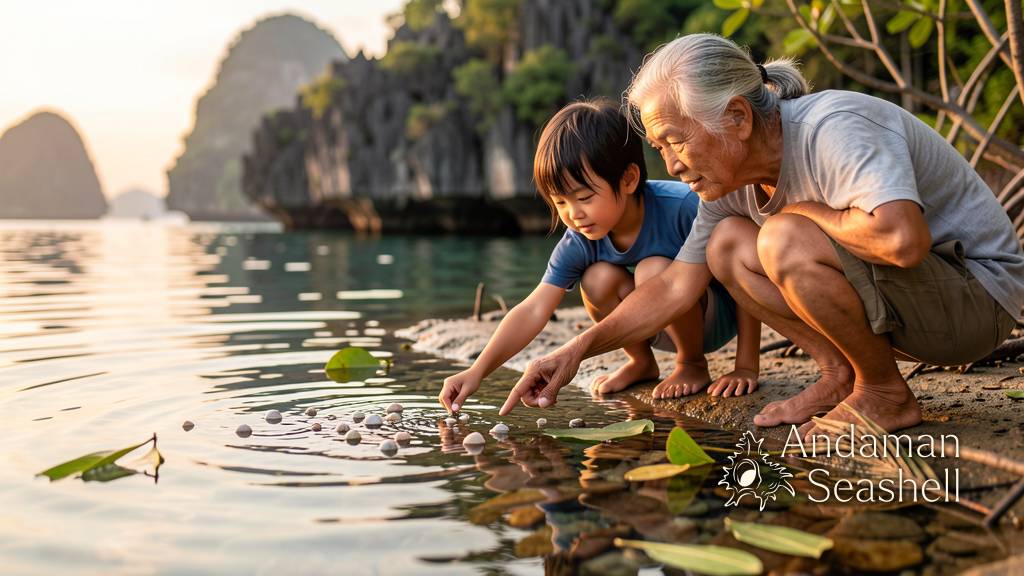
For Andaman Seashell readers, the takeaway is wonderfully simple. The ocean is still introducing itself. Every careful name, every image, and every shared dataset makes the blue world feel more knowable, more connected, and more worth admiring. Next time you pick up a shell pattern or pause beside a pool, you are practising the same habit that powers global marine science: patient attention.


No comments yet. Be the first to share a thought.