



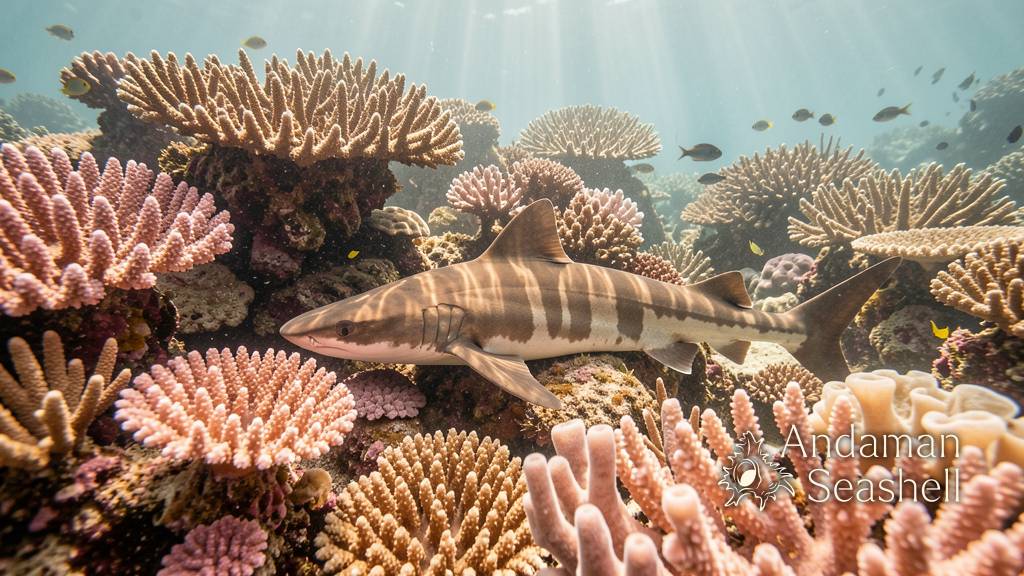
A baby shark no longer than your forearm drifts across a shallow reef just off the coast of Khao Lak, its dark brown bands catching the sunlight like a living barcode. It pauses, presses its flattened snout into a crevice, and emerges with a small reef grazer clamped in its jaws. This unremarkable-looking fish — the brownbanded bamboo shark (Chiloscyllium punctatum) — is the reason the coral around it is recovering.
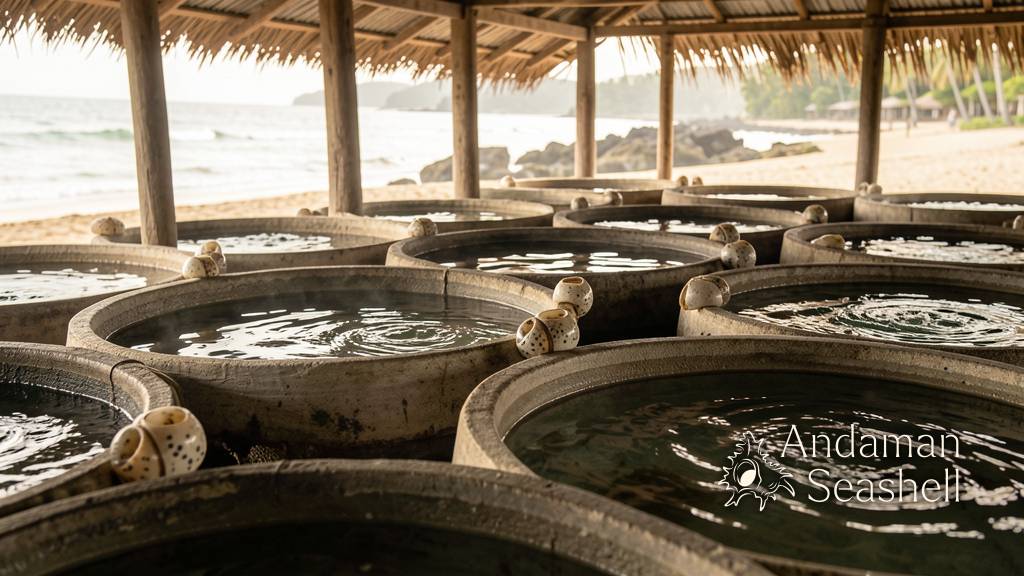
Since 2018, a conservation nursery in Khao Lak has raised and released more than 200 of these small carpet sharks back into the Andaman Sea, as part of a rewilding program led by marine biologist David Martin and the Oceans for All Foundation [ref:1]. Each shark is nurtured from egg case to juvenile before being introduced to local reefs — a slow, patient effort that is quietly rewriting the health of coral ecosystems along the Phang Nga coast.
The Shark You Have Never Heard Of
The brownbanded bamboo shark is not the animal most people picture when they hear the word "shark." It grows to about 121 centimetres (roughly 3.4 feet) at most, spends its days resting motionless on the seabed, and poses no threat to humans. Young individuals wear a striking pattern of dark brown saddle-bands across a pale body, which fades as they mature into adulthood.
They belong to a group called carpet sharks — Orectolobiformes — a family that includes whale sharks and wobbegongs. Like their larger cousins, bamboo sharks have a preference for warm, shallow coastal waters, which makes the reef systems off Phang Nga and Phuket ideal habitat.
But across the Indo-Pacific, bamboo shark populations have been shrinking. They are classified as Near Threatened by the IUCN Red List [ref:2], pressured by habitat degradation and collection for the aquarium trade. The coral reefs they depend on have also suffered from warming seas and damaging fishing practices.
Why a Small Shark Matters to a Big Reef
Here is where the science gets interesting. Bamboo sharks are what ecologists call mesopredators — mid-ranking hunters that sit between the tiny grazers at the bottom of the food web and the large apex predators at the top. Their preferred prey includes small fish and invertebrates that feed on coral.
When bamboo shark numbers drop, those coral-eating species multiply unchecked. Over time, they can strip a reef of the living coral tissue that forms its foundation. When bamboo shark numbers recover, the balance shifts back [ref:3].
In other words, each juvenile shark released onto a Khao Lak reef is not just an individual animal returning home — it is a small piece of ecological machinery being reinstalled in a system that needs it.
From Egg Case to Open Sea
The nursery's process is meticulous. Female bamboo sharks lay egg cases — leathery, rectangular pouches sometimes called "mermaid's purses" — each containing a single developing embryo. In the wild, many of these egg cases never hatch; they are eaten, damaged, or wash into unsuitable habitat.
At the nursery, egg cases are collected and kept in controlled tanks where temperature and water quality are monitored. The embryos develop for roughly three to four months before hatching. The newborn sharks are then raised for at least six months, fed and observed until they are large enough to survive on their own [ref:4].
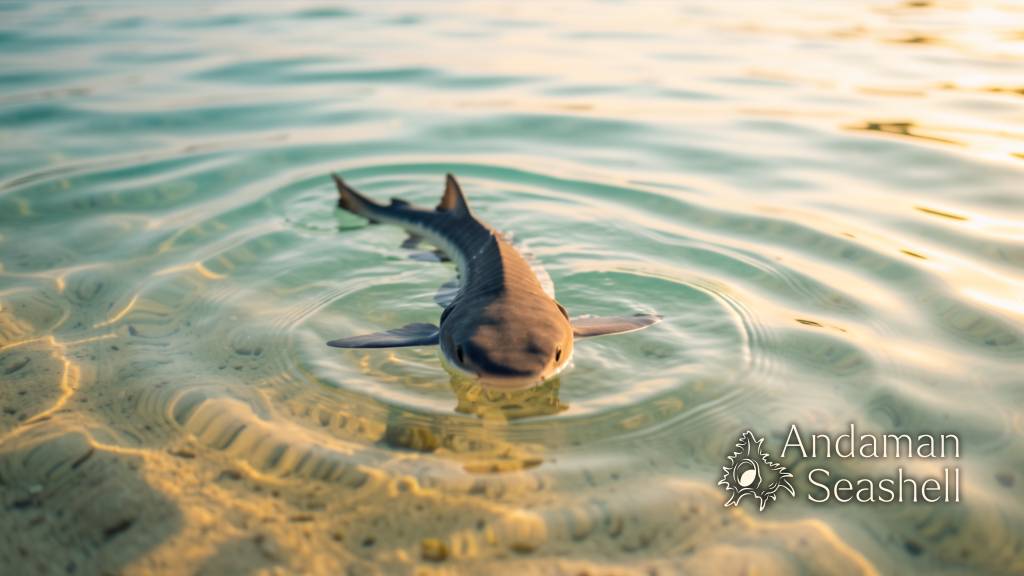
Only then are they released onto carefully selected reef sites where bamboo shark populations have declined. Each release is a small, deliberate act — a handful of spotted juveniles gliding into deeper water for the first time.
A Model Worth Watching
The Khao Lak bamboo shark program has drawn interest from marine conservationists across the region. Its partnership model — bringing together a research nonprofit, private sector partners, and marine biology expertise — demonstrates that reef restoration does not always require massive interventions. Sometimes it requires a nursery tank, a steady supply of egg cases, and the patience to raise a shark the size of a loaf of bread.
The IUCN has supported bamboo shark releases elsewhere in Thailand, including a 2018 event at Phuket Marriott Resort & Spa where 35 brownbanded bamboo sharks were released onto a house reef [ref:2]. The more these programs expand, the brighter the outlook for both the sharks and the reefs they help sustain.
What You Can Do on the Andaman Coast
If you are snorkelling or diving off Khao Lak, Phang Nga, or the Phi Phi Islands, you may be closer to a bamboo shark than you realise. They are most active at dusk and dawn, when they leave their resting spots to hunt along the reef edge. Look for a slender, banded shape resting under a coral ledge or half-buried in sand.
And if you find a mermaid's purse washed up on a Phang Nga beach — a dark, leathery pouch with curly tendrils at each corner — you may be holding the beginning of the next reef guardian. Handle it gently, return it to the water, and know that somewhere in the Andaman Sea, a nursery is doing the same thing on purpose.


No comments yet. Be the first to share a thought.