



Every time a fish opens its mouth in the Andaman Sea, it drinks. And inside that fish, in the warm, dark tunnel of its intestine, something extraordinary is happening — a partnership so small it is invisible, yet so vast it may be helping to balance the chemistry of the entire ocean.
In May 2026, a team of marine scientists at the University of Miami Rosenstiel School published a discovery that reframes how we understand one of the ocean's most important processes. The study, led by former graduate student Anthony Bonacolta and published in the journal PLOS Biology, revealed that bacteria living inside the guts of marine fish may be working alongside their hosts to produce calcium carbonate — a mineral that plays a crucial role in ocean health and carbon storage [ref:1].
A Fish That Drinks the Sea
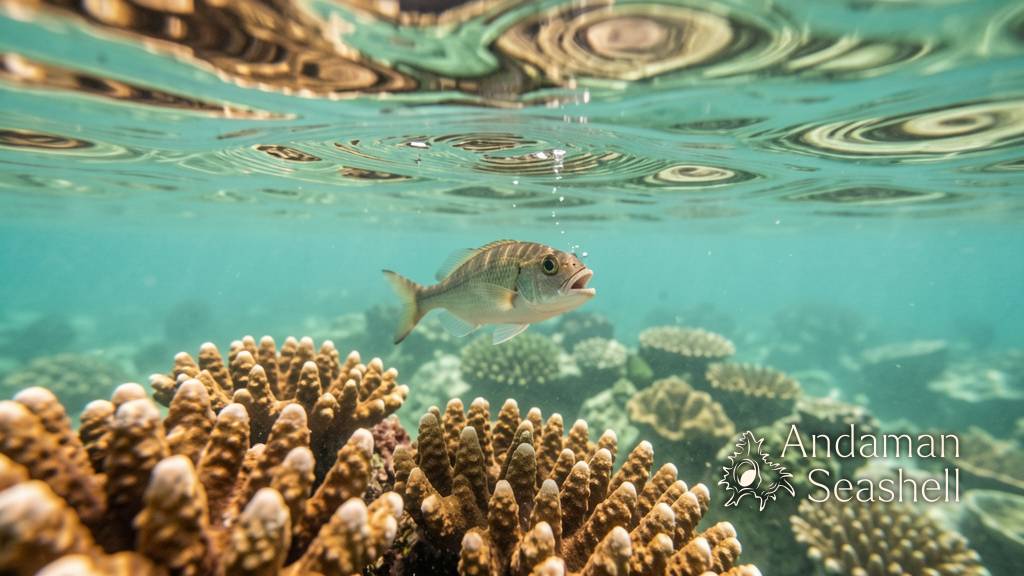
Here is how it works. Bony fish — the group scientists call teleosts, which includes most of the fish you see swimming past Phang Nga's coral reefs — constantly drink seawater to stay hydrated. Their bodies are less salty than the ocean around them, so they must take in water continuously and then deal with the excess salt and minerals that come with it.
As seawater passes through a fish's intestine, the body absorbs what it needs and isolates the excess calcium and carbonate ions. These minerals are then packaged into solid white pellets of calcium carbonate — a process that produces what scientists call ichthyocarbonates. The fish excretes these pellets, and they begin to drift downward through the water column [ref:2].
For years, researchers believed the fish handled this mineral production entirely on their own. The new evidence suggests otherwise.
The Microbe Inside
The Miami team studied Gulf toadfish (Opsanus beta), a hardy species known for tolerating a wide range of salinity conditions. They placed the fish in three environments: brackish water at 9 parts per thousand (ppt), normal seawater at 35 ppt, and hypersaline water at 60 ppt.
The results were striking. Fish in low-salinity water produced no ichthyocarbonates at all. Fish in normal seawater produced them. And in hypersaline conditions, production increased further — exactly what you would expect from a process tied to how fish manage salt and water balance [ref:1].
But here is the surprise. When the researchers collected samples from the fish intestines, the ichthyocarbonate pellets, and the surrounding water — then analyzed them using DNA and RNA sequencing — they found that a particular group of bacteria was abundant in both the gut and the pellets themselves. The microbe, Photobacterium damselae subsp. damselae, belongs to a family called vibrios. The genetic evidence suggested these bacteria carry capabilities associated with calcium carbonate formation [ref:2].
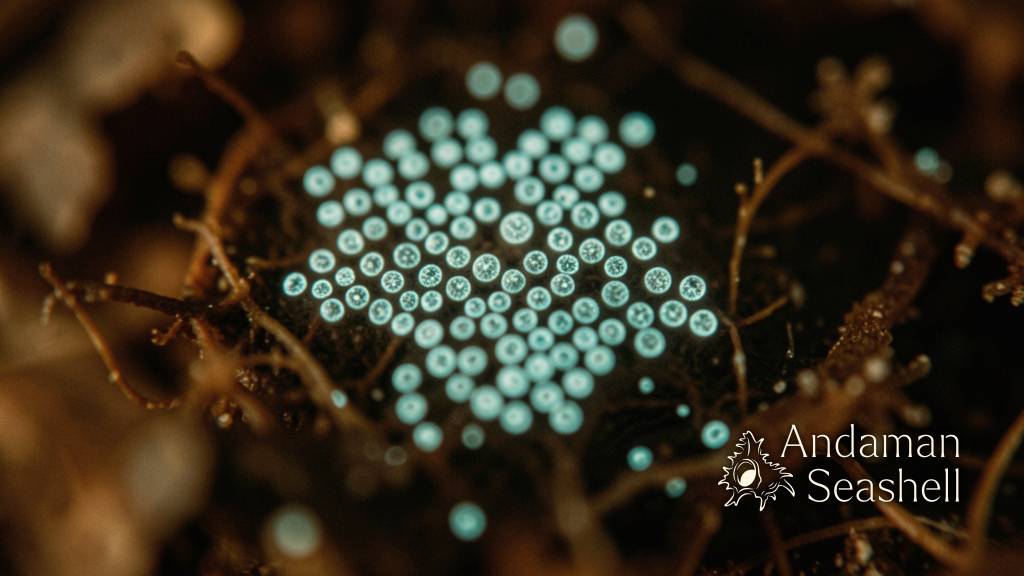
In other words, the fish is not working alone. A hidden microbial partner inside its gut may be actively participating in building the mineral pellets that influence ocean chemistry.
"This work suggests that the gut microbiome may play a broader role in both fish biology and global marine nutrient cycles," said Martin Grosell, Maytag Professor of Ichthyology and one of the study's senior authors. "What was previously thought to be a process driven solely by the fish may actually reflect a close symbiosis between the fish and its gut microbial community" [ref:1].
Why It Matters for the Andaman Sea
Calcium carbonate is not just a waste product. It is one of the key minerals involved in the ocean's carbon cycle. When fish produce ichthyocarbonates and excrete them into the water, those pellets contribute to a process that helps regulate the ocean's acidity and influences how carbon is stored in marine sediments.
The Andaman Sea, with its rich coral reef systems stretching from Phang Nga to Phuket, is a region where calcium carbonate cycling is especially visible. Coral polyps build their skeletons from the same mineral. The white sand on beaches from Khao Lak to Koh Yao Noi is largely broken-down calcium carbonate from coral, shells, and fish pellets.
This means that the fish darting around the Similan Islands, the groupers resting under limestone overhangs in Phang Nga Bay, and the countless smaller species that form the backbone of the reef food web may all be participating in this invisible mineral-producing partnership. Every day, across the entire ocean, bony fish collectively produce enormous quantities of ichthyocarbonate — a contribution that scientists are only beginning to fully quantify [ref:3].
A Hidden World of Partnerships
The discovery adds to a growing recognition that the ocean is full of symbiotic relationships we are only just beginning to see. Just as coral depends on the algae living inside its tissues, and just as mangrove roots shelter nurseries of juvenile fish, the gut of a fish may be home to microbes that help shape planetary-scale processes.
"Most life on Earth is microbial, driving nutrient cycles and ecosystem function while revealing new dimensions of biological diversity through symbiosis," Grosell noted. "The ocean is especially rich in these partnerships" [ref:1].
The next time you snorkel over a reef in the Andaman Sea and watch a fish glide past, remember: inside that fish, an invisible alliance is quietly at work — turning seawater into mineral, and mineral into something that helps keep the whole ocean in balance. It is one of the most beautiful partnerships in nature, and it has been hiding in plain sight all along.
References
- University of Miami Rosenstiel School — New study suggests fish gut microbe helps regulate ocean health
- ScienceDaily — The ocean's health may depend on a tiny microbe inside fish (May 31, 2026)
- Bonacolta et al. — Symbiotic bacteria may support calcium carbonate precipitation in the Gulf toadfish, PLOS Biology (2026)


No comments yet. Be the first to share a thought.