



At the JW Marriott Khao Lak Resort, a conservationist holds a small basket in her hands, careful not to disturb the leathery brown pouches nestled inside. When she shines a light underneath each one, signs of life appear: the pouches are bamboo shark egg cases, and inside them, tiny sharks are growing — part of a patient plan to help revive Thailand's coral reefs, one pup at a time.
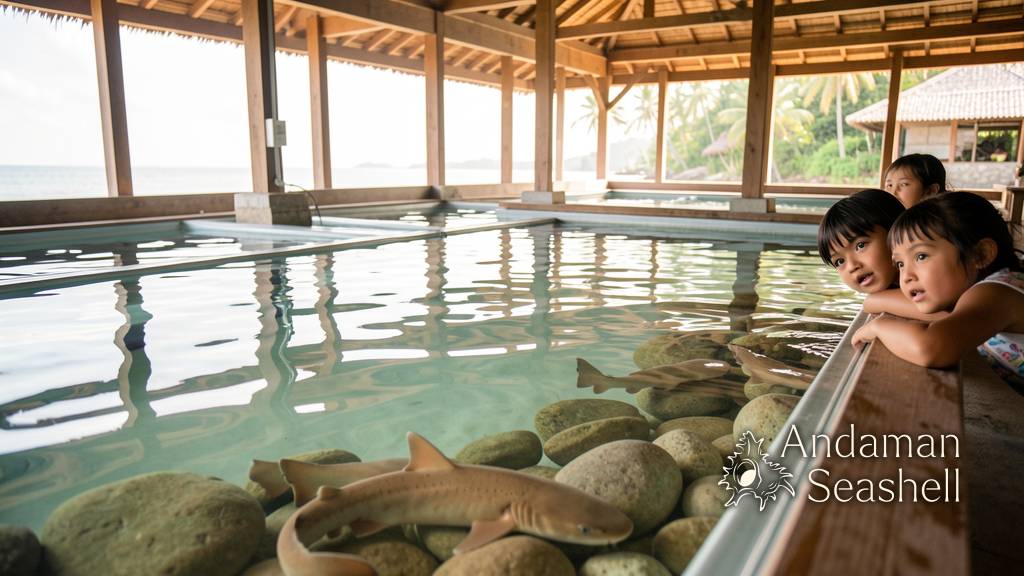
The program is run by Oceans for All, a Thai-based nonprofit founded in 2018 by marine biologist David Martin and entrepreneur Thibault Salaun. Working with resort partners along the Andaman coast — including Club Med Phuket, Pullman Phuket Panwa Beach, and most recently JW Marriott Khao Lak — the team has now bred and released 200 brownbanded bamboo sharks (Chiloscyllium punctatum) back into the wild [ref:1].
Why these little sharks matter
Twenty years ago, bamboo sharks were abundant in the shallow waters around Phuket and Khao Lak. These tan-coloured sharks, reaching up to about a metre in length, are one of the roughly 40 percent of shark species that lay eggs — which makes them relatively straightforward to breed in captivity. They can live up to 25 years.
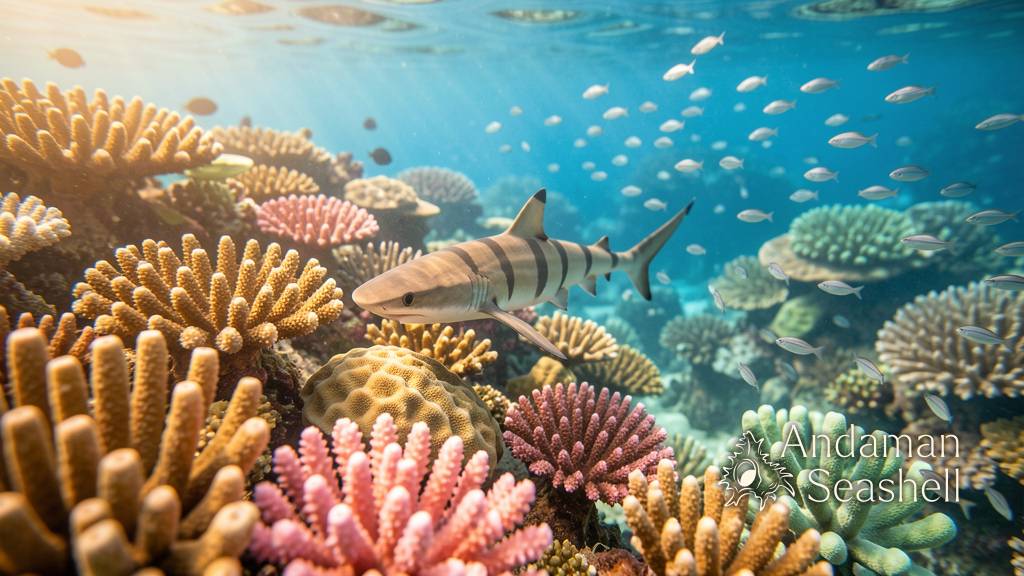
But their real value lies in what they eat. Bamboo sharks are bottom-dwelling predators that feed on small fish and invertebrates, including species that graze on coral. When these small predators disappear, the creatures that overgraze reefs multiply unchecked. The Oceans for All team explain that when shallow reefs collapse, it is often the absence of predators rather than pollution alone that tips the balance [ref:1].
"Sharks are born to take care of the ocean," says the nursery officer, who was born and raised in Khao Lak. "If we don't have sharks, the coral can't grow."
From egg to open sea
The journey of each shark is meticulous. Breeding pairs, originally sourced from sharks found in fishers' nets, produce egg cases in temperature-controlled tanks filled with filtered Andaman Sea water. The team monitors the water for harmful bacteria and adjusts conditions to match the sharks' needs.
Each pup is raised for about six months, reaching roughly 25 centimetres (10 inches) before release. At that stage, they are large enough to have good odds of survival in the wild but not yet dependent on humans for food. Fresh tuna is bought from the local market and minced finely for the younger sharks, treated with the care a parent gives a newborn [ref:1].
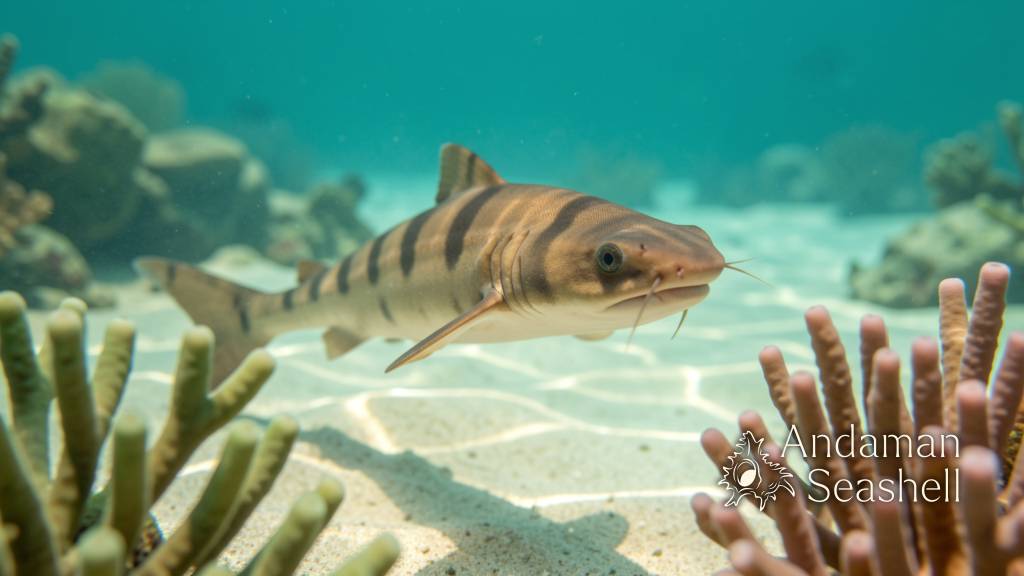
The release itself is a community moment. Sharks have been released from beaches and from boats. "They will find their place," says Martin, who has lived in Phuket for 25 years. "They hide under corals, and they will feed at night on small fish and small shrimp."
A growing movement
The bamboo shark program is not alone. Since May 2025, a separate initiative called the StAR Project — part of the global ReShark consortium — has been breeding and raising Indo-Pacific leopard sharks (Stegostoma tigrinum) in Phuket, with plans to release them into waters off the Andaman coast. Leopard sharks were added to Thailand's protected species list in May 2024, a significant policy step that opens new doors for their recovery [ref:1].
In June 2026, Martin travelled to Paris to address a World Oceans Day conference, sharing how community-driven shark rewilding is helping reefs recover [ref:2].
What visitors can see
Each day at the JW Marriott Khao Lak nursery, the conservation officer leads guided talks for visitors. She says the best part is watching children's faces change as they learn. "You can see them change," she says — curiosity replacing fear, wonder replacing indifference.
The nursery is part of a broader vision: that awareness, spread one visitor at a time, can build the moral change needed to protect the ocean. The resort encourages each guest to donate one dollar to the program at checkout — a small toll for a vast, irreplaceable highway.
A hopeful horizon
Two hundred sharks may sound modest against the scale of an entire sea. But each one is a piece of a living system finding its balance again. On the Andaman coast, where tides reveal new treasures each morning and coral reefs shelter life in every crevice, the return of a small, banded shark is a sign that the ocean is resilient — and that people who care can help it heal.
The next time you walk the shore at Khao Lak and glance toward the reef line, consider this: somewhere beneath those gentle waves, a shark no longer than your forearm may be quietly doing what it was born to do — keeping the coral alive.


No comments yet. Be the first to share a thought.