



The first thing many visitors notice in Komaba is not a grand headline but a feeling: dark wood, soft light, and a bowl that seems to hold an entire design philosophy inside its curve. This summer, Tokyo’s Japan Folk Crafts Museum is using that feeling brilliantly. Its special exhibition “Soetsu Yanagi and Nihon Mingeikan” runs from June 6 to August 12, 2026, celebrating both the 90th anniversary of the museum’s foundation and the 100th anniversary of the 1926 prospectus that first proposed a museum devoted to folk crafts [ref:1][ref:3].
The timing matters because mingei is not just a museum category. It is an idea about how beauty lives in daily use. The museum explains that philosopher Soetsu Yanagi, together with potters Kanjiro Kawai and Shoji Hamada, helped coin the word “mingei” in the mid-1920s, before the museum itself finally opened in 1936 [ref:3]. KOGEI STANDARD summarizes Yanagi’s core belief beautifully: true beauty can reside in ordinary objects made by anonymous craftspeople [ref:2]. That makes this anniversary show feel less like a nostalgic look backward and more like a fresh conversation about how we live now.
Why this exhibition feels alive
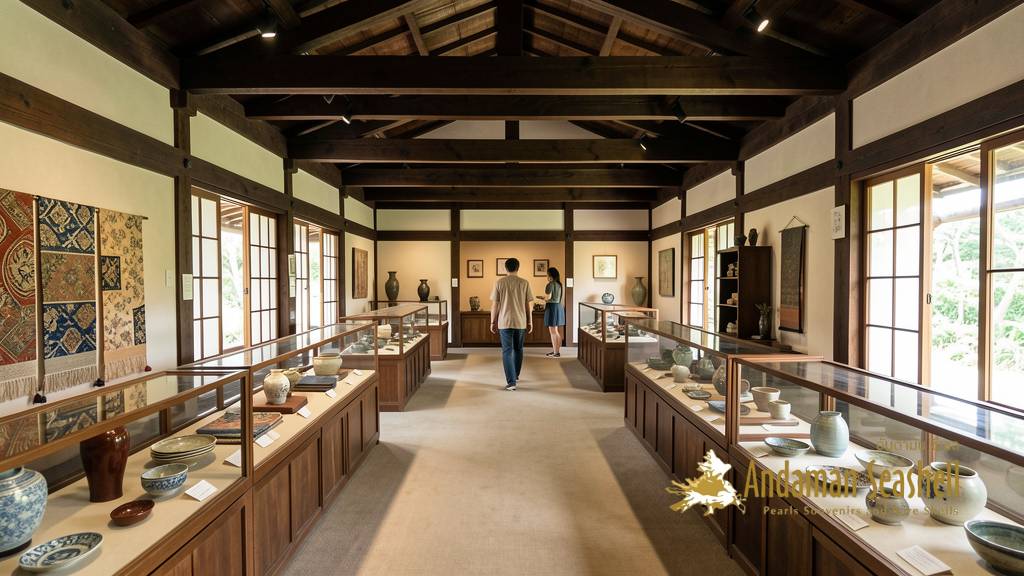
One of the smartest details in the show is its structure. KOGEI STANDARD notes that the exhibition is organized around four perspectives — “Recreation,” “The Journey,” “Design,” and “Mounting Layouts” [ref:2]. In practice, that means visitors are not only looking at beautiful things. They are also seeing how a museum itself can be designed with intention.
The official museum page says part of the 1936 opening display has been partially reconstructed inside the main building using surviving archival materials [ref:2]. That is a lovely curatorial move. Instead of telling visitors to imagine the museum’s early atmosphere, it lets them step closer to it. Tokyo Art Beat adds another revealing detail: the museum keeps explanatory notes to a minimum, following Yanagi’s belief that objects should be seen first with intuition, not just with information [ref:4]. In a world full of screens and labels, that restraint feels surprisingly modern.
The objects do the talking
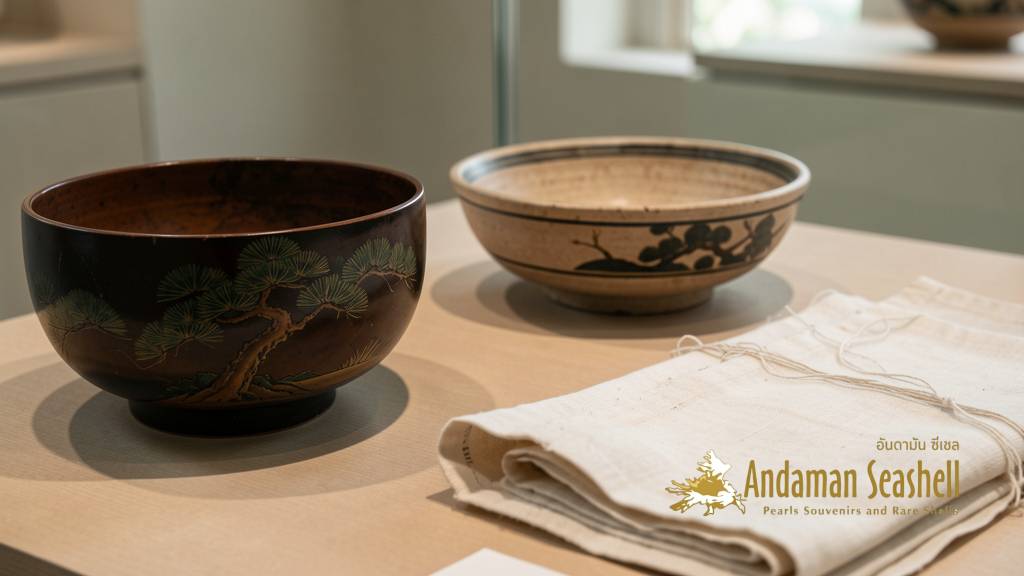
The show becomes especially memorable when you slow down for specific works. The museum highlights an Edo-period 18th-century lidded spouted bowl with pine-tree lacquer painting measuring 18.0 centimeters high [ref:1]. It also shows a Meiji-period 19th-century cotton textile made with leftover threads [ref:1]. These are not flashy blockbuster objects. They are exactly the kind of works that make mingei powerful: practical things carrying deep intelligence in material, touch, and pattern.
Another standout example is a Mino dish from the Momoyama period, 16th–17th century, decorated with millet in iron painting and measuring 24.5 centimeters in diameter [ref:1]. Nearby in the museum materials is “Horse,” a set of tiles by Bernard Leach from 1928, stretching 45.5 centimeters in length [ref:1]. Those measurements matter. They make the exhibition feel tangible. You can picture the dish on a table, the tile across a wall, the bowl in two hands. The anniversary becomes richer when the objects are not abstract symbols but real things with scale, weight, and craft decisions.
KOGEI STANDARD also notes that Yanagi’s design vision reached beyond the objects themselves to wallpaper, lighting fixtures, and display cases [ref:2]. That may be the most useful takeaway for design-minded readers. The museum is not only saying “look at this pottery.” It is saying that presentation, spacing, material contrast, and the mood of a room are also part of beauty. In other words, mingei is not a shelf of artifacts. It is a whole way of arranging life.
Practical reasons to go now
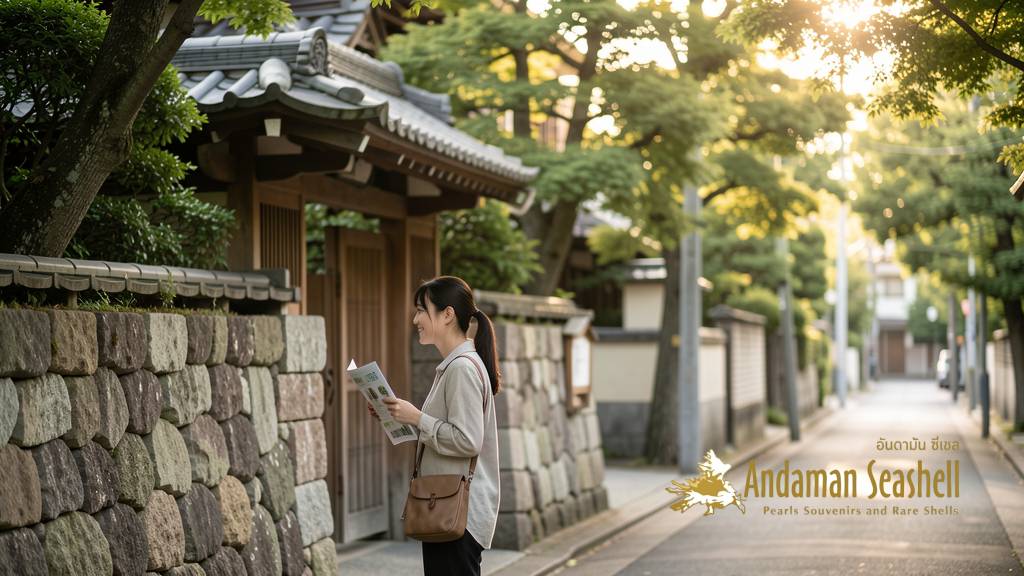
For anyone building a Tokyo plan, the logistics are refreshingly clear. The museum is at 4-3-33 Komaba, Meguro-ku, Tokyo 153-0041 [ref:4]. It is open 10:00–17:00, with the ticket office closing at 16:30 [ref:1]. It is closed on Mondays, though a public-holiday Monday opens with the following day closed instead [ref:1][ref:4]. Admission is ¥1,500 for adults, ¥800 for students, and free for junior high school students and younger [ref:1][ref:4]. Tokyo Art Beat says it is about a six-minute walk from Komabatodaimae Station or 15 minutes from Higashi-Kitazawa Station [ref:4].
That final date also gives the visit a gentle sense of occasion. The current show closes on August 12, and the next exhibition, “Textiles of Ryukyu Kingdom,” opens on August 22 and runs to November 3, 2026, with around 50 pieces of Ryukyu bingata and weaving textiles planned from the museum collection [ref:3]. So the museum’s anniversary season is not a single-note moment. It is unfolding chapter by chapter.
What makes this exhibition attractive is its quiet confidence. It does not need spectacle to stay in your mind. A bowl, a textile, a measured display case, a six-minute walk from the station — all of it adds up to something generous. You leave with a clearer sense that design is not only about newness or prestige. Sometimes it begins with an object made well, used well, and seen with care.


No comments yet. Be the first to share a thought.