



A city can feel different the moment it decides that art belongs out in the open. In Tokyo, that feeling now has a name: ARTE TOKYO, a new international arts and culture festival scheduled to open on October 10, 2026 and continue through December 31.[ref:1][ref:2]
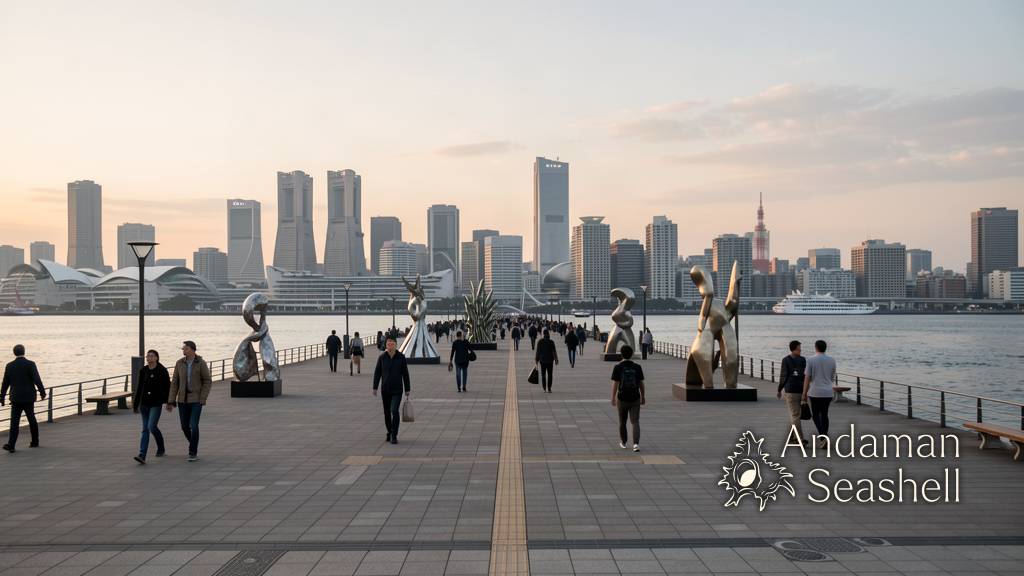
What makes this launch so attractive is its scale and its attitude. Rather than asking people to enter a single fairground or one museum, ARTE TOKYO spreads across the city through three core zones—the Waterfront area, Hibiya-Marunouchi, and Yoyogi-Shibuya—so the festival can be experienced as a series of walks, encounters, and evening detours.[ref:1][ref:3] It is a very Japanese kind of invitation: precise, seasonal, and quietly generous.
A new festival with a broad palette
The Tokyo Metropolitan Government says the core program will bring together creators from contemporary art, architecture, and media art.[ref:1] The official ARTE TOKYO press material expands that palette further, describing a festival that folds in theater, music, light displays, and entertainment across the wider city.[ref:2] That breadth matters. It means the festival is being built less like a trade show and more like an urban conversation.
One lovely detail is the timing of the announcement itself. ARTE TOKYO’s program lineup was first presented on July 2, exactly 100 days before opening, and the festival’s organizers used that marker to gather government, artists, creative directors, partner-program hosts, media, and supporters in one room at Tokyo Innovation Base in Yurakucho from 5:30 p.m. to 8:00 p.m.[ref:1][ref:3] That kind of meeting says something about ambition: this is not only a calendar event, but an attempt to coordinate many existing energies across Tokyo into one readable season.
Three districts, three moods
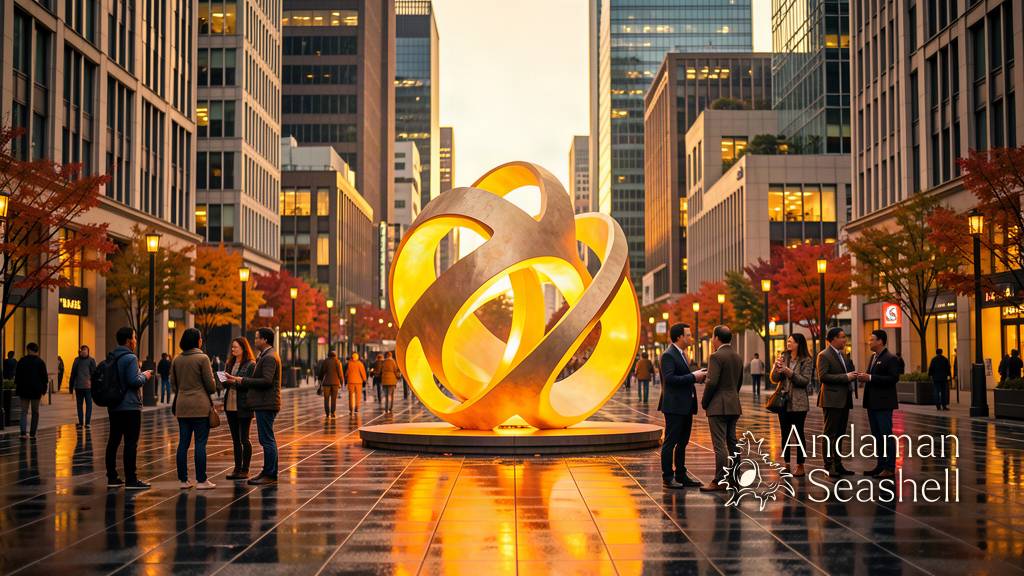
According to the ARTE TOKYO report, the Rinkai or Waterfront area will lean into open urban space and views of Tokyo Bay, using Odaiba’s scale for sculptural and experiential works.[ref:3] Hibiya-Marunouchi is being imagined as a district of small surprises, where office towers, theaters, and shopping streets gain unexpected artistic interruptions.[ref:1][ref:3] Yoyogi-Shibuya will create a movement line that begins around Shibuya Station, follows Koen-dori, passes through Yoyogi Park, and continues toward Harajuku and the Omotesando illumination.[ref:3]
That route-based thinking is especially appealing. Instead of seeing culture as something behind one doorway, ARTE TOKYO treats the city itself as the medium. In Japanese terms, there is a sense of ma—the meaningful space between things—built into the plan. The walk between venues becomes part of the artwork’s atmosphere.
Circus in the streets, gardens at night
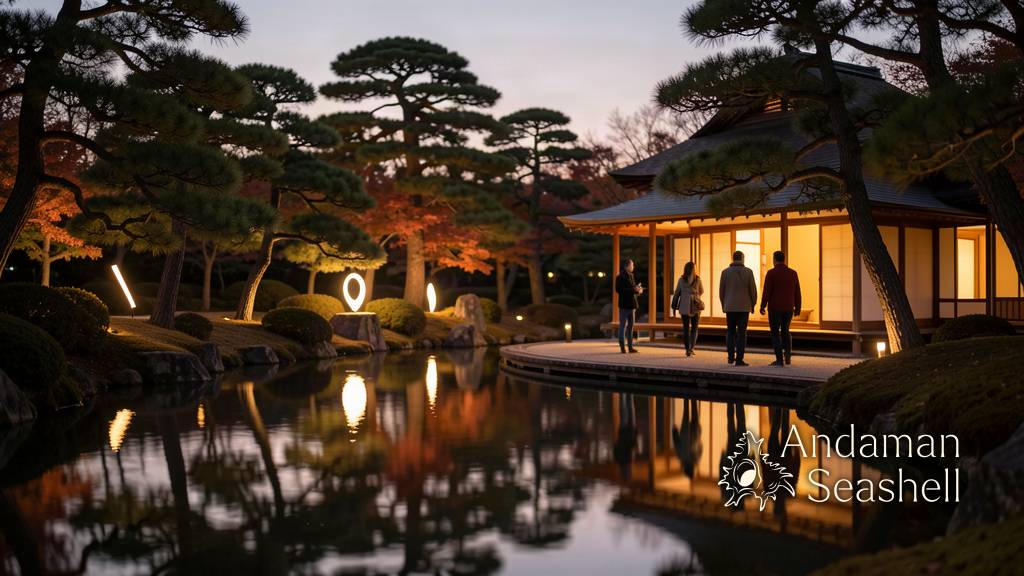
Two program ideas make the festival especially memorable even before opening day. The first is ARTE TOKYO CIRCUS, a contemporary circus project that will place performances in the city’s public spaces and let them interact with artworks in each core area.[ref:1] The second is a special nighttime art project tied to the 80th anniversary of Hama-rikyu Gardens, one of Tokyo’s most iconic Japanese gardens.[ref:1][ref:3]
That pairing feels smart. One side of the festival is kinetic and public-facing; the other invites slower attention. Together they suggest that Tokyo wants visitors to experience both motion and pause, spectacle and reflection.
The partner-program layer also adds real depth. TMG specifically points to Roppongi Art Night, Art Week Tokyo, and the Tokyo International Film Festival as linked energy sources within the wider season.[ref:1] On the official site, ARTE TOKYO also lists Tokyo Festival 2026 as a partner program running from September 1 to November 3, which means the city’s arts momentum actually starts before ARTE TOKYO’s October opening.[ref:4]
A season that already feels alive
Tokyo Festival brings useful scale to the picture. Its 2026 program announcement says the inaugural edition drew more than 970,000 attendees, and this year’s return includes approximately 100 open-call works, up from 68 the year before.[ref:4] The live program page goes even further, inviting readers to explore more than 100 programs and currently listing 157 programs across theater, dance, street performance, workshops, music, and more.[ref:4] In other words, ARTE TOKYO is not arriving into emptiness; it is arriving into a city already rehearsing for an unusually rich autumn.
The organizers are also making the festival easier to follow in real time. On August 25, 2026, ARTE TOKYO launched official accounts on Instagram, Facebook, and X, alongside a new podcast with J-WAVE under the concept “Listen to Tokyo and ARTE.”[ref:5] That is a small but telling gesture of omotenashi—thoughtful welcome—because a citywide festival needs orientation as much as it needs imagination.
For travelers, artists, and anyone who likes the idea of culture spilling into ordinary streets, that may be the nicest promise of all. ARTE TOKYO is not asking people to admire one headline attraction and go home. It is inviting them to meet Tokyo neighborhood by neighborhood, performance by performance, and evening by evening.


No comments yet. Be the first to share a thought.