



The moment you step out near Owari-Seto Station, Seto stops feeling like a map point and starts feeling like a material. On 12-13 September 2026, the city’s 95th Setomono Matsuri spreads around the station and along the Seto River, turning the pottery town into a walkable weekend of bowls, teapots, plates, kilns, and happy indecision.[ref:2][ref:3]
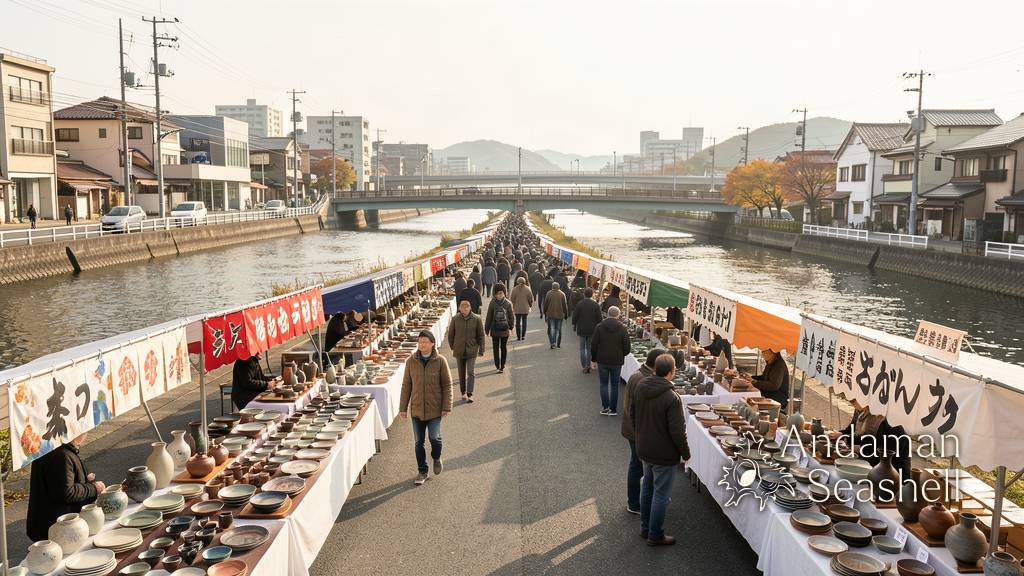
What makes this festival special is that it is not pretending to be about craft. It is craft. In Japanese, setomono became an everyday word for tableware because Seto’s ceramics were so deeply woven into daily life.[ref:1] The festival itself began in 1932, and the official 2026 program still frames it as a celebration of the legacy of Kato Tamikichi, the ceramic pioneer honored by the city.[ref:2][ref:3] That long memory gives the weekend a different rhythm from a generic market. You are not just shopping; you are walking through a place where making and using pottery still belong to the same sentence.
Why this is a good first craft festival in Japan
The 2026 edition runs for two days and brings together around 200 shops in what official listings describe as one of Japan’s largest ceramic events.[ref:2] The main festival footprint sits around Owari-Seto Station on the Meitetsu Seto Line, and the roads along the Seto River are closed to traffic, which makes the whole area feel less like a commercial district and more like an outdoor studio with very good snacks.[ref:2] If you enjoy the Japanese idea of monozukuri—making with care and skill—you can understand it here without needing a lecture. It is visible in stacked yunomi cups, hand-painted plates, and the way shoppers turn a bowl over before deciding whether it feels right in the hand.
There is also a practical advantage: this festival is easy to navigate on foot. Because the station is right inside the event zone, you do not spend half the day solving transfers after arrival.[ref:2] The same guide that confirmed the 2026 dates also gives one of the best pieces of festival advice: for pottery markets, morning is when it happens. The best pieces move early.[ref:1] That makes Setomono Matsuri feel less like a rush and more like a gentle treasure hunt with an obvious strategy—arrive early, look slowly, carry cash, and leave room in your bag.
What to look for beyond the bargain tables
The big riverside sale is the headline, but the official program shows a broader craft weekend. There are exhibitions, live stages, family activities, and hands-on workshops spread through venues such as Parlty Seto, Setogura, Miyamae Park, and nearby museum spaces.[ref:3] One especially charming detail in the 2026 program is a wheel-throwing experience at the Shinano Ceramic Center, priced at 2,000 yen per piece including firing, with pieces collected later after firing.[ref:3] That is exactly the kind of activity that shifts the day from shopping into understanding.
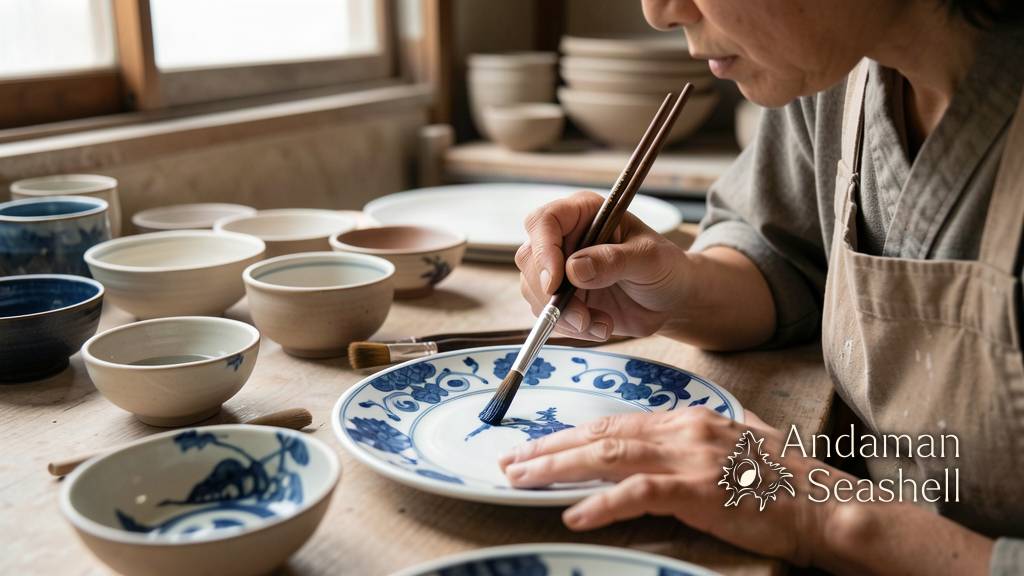
Another thread worth watching is Seto sometsuke-yaki, the blue-and-white painted ware the program highlights through display and sales. The contrast of cobalt blue on a white body is crisp, elegant, and unmistakably practical rather than ornamental.[ref:3] The same program also includes a 94th children’s ceramics exhibition with about 130 works by local elementary and junior-high students, plus entries from partner towns.[ref:3] That detail says something lovely about Seto: the festival is not only about heritage pieces and senior masters. It is also about letting craft continue in young hands.
Stay for Saturday evening if you can
If you go on the first day, there is one very specific time to remember. The official fireworks leaflet schedules the Setomono Matsuri fireworks for Saturday 12 September 2026 from 6:25 pm to 6:45 pm, with a weather backup on Sunday 13 September at the same time if conditions turn rough.[ref:4] It is a short display—just 20 minutes—which somehow suits the event perfectly. This is not a giant summer pyrotechnics marathon. It is a bright punctuation mark at the end of a day spent choosing objects that may live in your kitchen for years.
A few smart planning notes
The official materials repeatedly encourage visitors to use public transportation, partly because parking is limited and some lots cannot operate in wet conditions.[ref:3][ref:4] That is good advice. So is checking the official pages again just before you go: one reliable 2026 guide notes that not every sub-event publishes hours clearly in advance, and festival details in Japan can shift faster on Japanese-language pages than on English summaries.[ref:1]
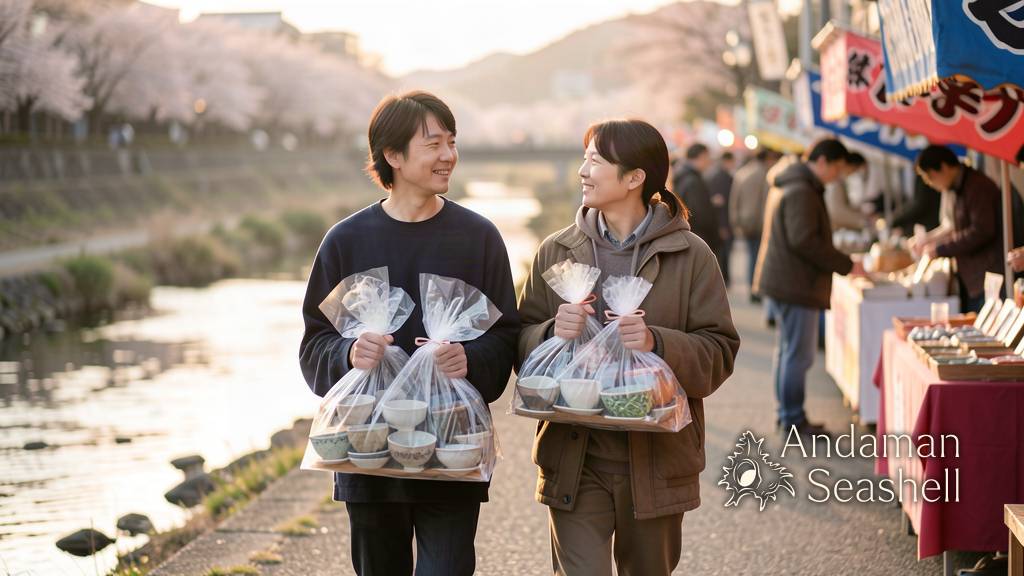
In the end, Setomono Matsuri feels attractive for the same reason a good bowl does. It is useful, specific, and quietly full of character. You may arrive thinking about a festival, but you leave remembering a handle, a glaze line, a blue brushstroke, or the exact weight of one cup that somehow had to come home with you.


No comments yet. Be the first to share a thought.