



Krint’s powder-white face and steady eyes make her look like the sort of dog who already knows how to be patient. At 13, she is one of the hospice animals now waiting at Soi Dog Foundation in Phuket — not for a dramatic rescue scene, but for something much softer: a real home, a routine, and a person willing to make room for comfort.[ref:1][ref:2]
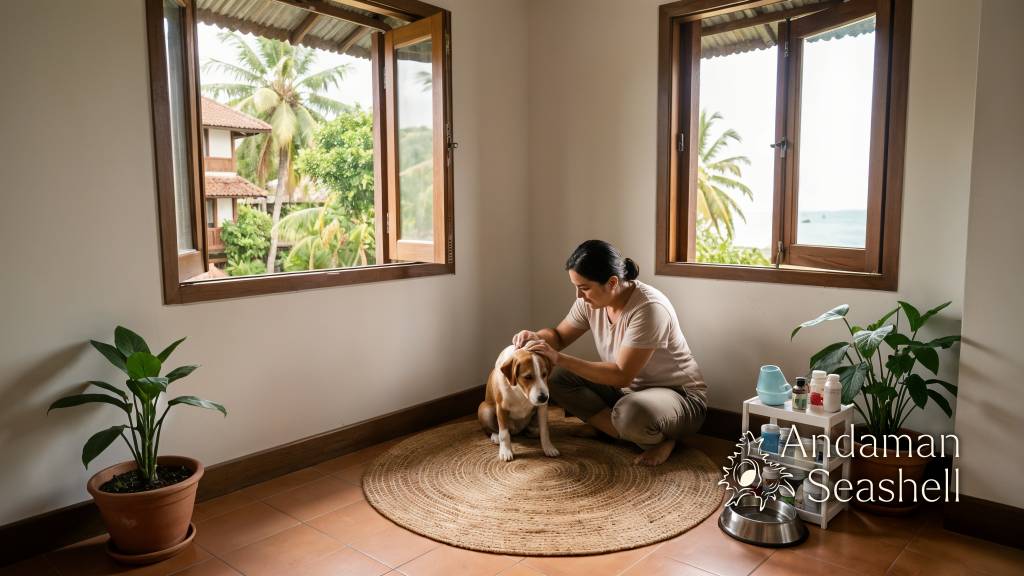
That is the warm heart of Soi Dog’s hospice foster programme, which is inviting people in Phuket and Phang Nga to care for dogs and cats with chronic or life-limiting conditions. The idea is beautifully practical. Foster families give time, calm, and companionship; Soi Dog covers medical costs and stays involved with guidance and support.[ref:1][ref:2] For a community that already understands care as something shared — across neighbours, families, and everyday routines — it feels like a meaningful way to help close to home.
What the programme offers
The programme is designed for animals that may be overlooked in traditional adoption, often because they need ongoing treatment or monitoring. According to Soi Dog’s programme page, hospice foster animals are already spayed or neutered, fully vaccinated, microchipped, medically assessed, and behaviourally assessed before placement.[ref:1] That matters, because it turns the idea from a vague act of kindness into a structured system that families can realistically say yes to.
The support package is equally concrete. The Phuket News reported that Soi Dog covers all medical expenses and can provide at-home check-ups through its mobile veterinary teams.[ref:2] In other words, foster carers are not being asked to solve everything alone. They are being invited into a partnership.
Soi Dog’s CEO Louise Rose framed the programme as something for people living locally on a long-term basis who want to make “a real and lasting difference.”[ref:2] That phrase lands well in Phuket and Phang Nga, where many acts of community care begin exactly that way — not as grand gestures, but as steady commitments.
The dogs make the story real
What makes this programme especially moving is how specific the animals are. Danke, listed by Soi Dog as a young male dog with kidney disease, needs a particular diet and regular medication.[ref:1] Buddy, a 10-year-old male, needs medication and monitoring for several conditions.[ref:1] Khumfon, featured in local coverage, is a 7-year-old dog whose foster family would monitor recurring tumours.[ref:2] Thachana, also highlighted in the Phuket coverage, is 14 years old, blind, and needs joint medication plus a little help navigating the world.[ref:2]
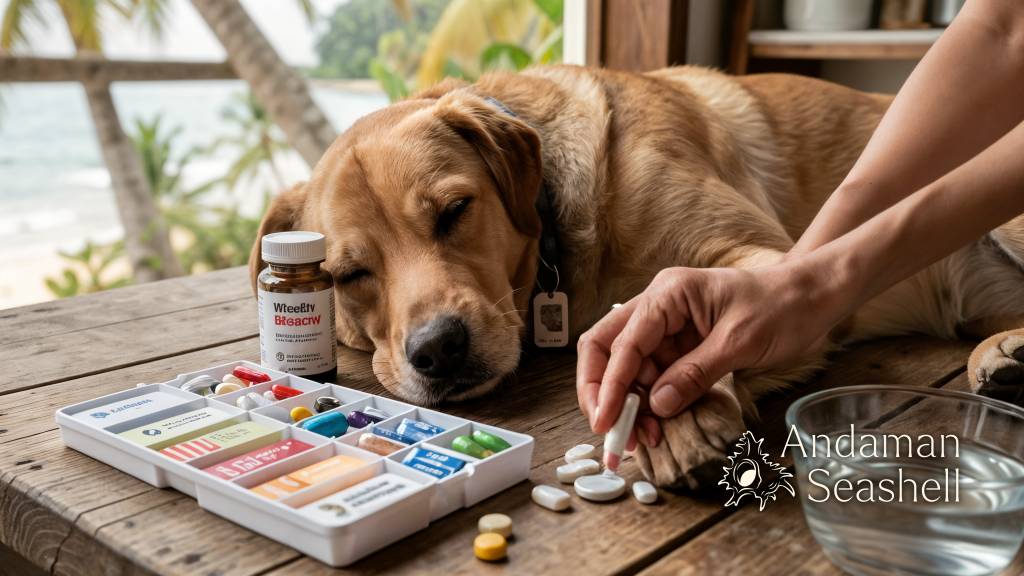
These details do something important: they replace abstraction with relationship. Hospice fostering is not “helping animals” in the broadest possible sense. It is saying yes to a dog who needs heart tablets each morning, or a quiet corner to rest, or a familiar hand when the room changes around them.
Soi Dog’s own page shows how wide that need can be. Krint is described as having weakened hind legs, a curved spine, and chronic cystitis at age 13.[ref:1] Minipuff, age 7, takes daily medication for heart failure.[ref:1] Removie, a 10-year-old blind dog with early-stage kidney disease, needs a special diet and help navigating his surroundings.[ref:1] The point is not sadness. The point is that many of these animals are still ready for affection, routine, and small happy rituals.
Why this matters in Phuket
Soi Dog says its Phuket shelter is home to more than 1,800 animals.[ref:1] Its broader work in Phuket is also large in scale: the foundation says its hospitals handle more than 400 new animal admissions each month, while rescue officers respond to thousands of calls for help each year.[ref:3] That kind of infrastructure explains why a foster programme like this matters. A shelter can provide safety and treatment, but a home can provide something else — the rhythm of daily belonging.
Local coverage also noted that Soi Dog adopted out 461 rescued animals in 2024, yet some dogs cannot travel overseas because of their medical conditions.[ref:2] Hospice fostering opens a new path for exactly those animals. It gives medically fragile residents of the shelter a chance to spend their time in a quieter, more personal environment, without asking families to shoulder veterinary costs on their own.
For Phuket and Phang Nga residents, that makes the invitation unusually clear. You do not need to be a veterinarian. You do not need to promise perfection. You need a stable home, a willingness to follow care routines, and the tenderness to make an older or medically delicate animal feel safe.
A second chance that feels close to home
The best community programmes are often the ones that turn compassion into something doable. Here, that might look like a water bowl by the door, a medicine organiser on the kitchen shelf, and a slow evening walk adjusted to an older dog’s pace. It might mean choosing a home life gentle enough for a blind senior dog, or patient enough for a rescue cat with recurring illness.[ref:1][ref:2]
In a coastal region where care is often woven quietly into daily life, Soi Dog’s hospice foster programme feels less like a campaign and more like an invitation to share steadiness. One home at a time, that steadiness can become a remarkably generous kind of second chance.


No comments yet. Be the first to share a thought.