



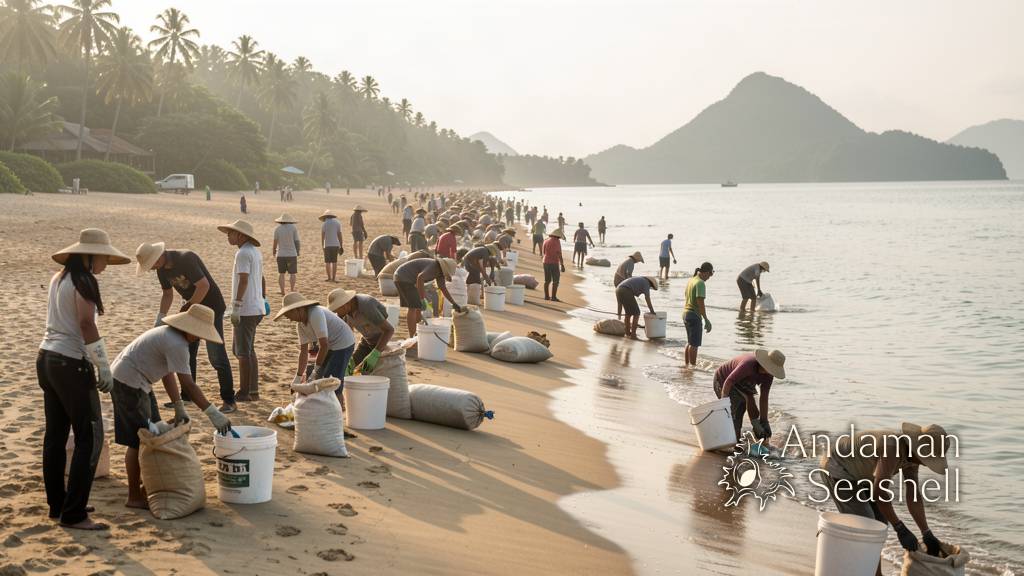
At dawn on Monday, 5 October 2026, more than 690 registered volunteers walked down onto six beaches along the Khao Lak coast carrying gloves, buckets and reused rice bags. By the time the scales were packed away, they had weighed in 1,868.2 kilogrammes of waste — the biggest single morning in the four-year history of the Phang Nga Coastal Clean Up Challenge [ref:1].
The scoreboard: six beaches, one shared win
Part of the charm of the Challenge is that it keeps score, beach by beach, and publishes every number. This year's friendly champion was Laem Pakarang Beach, where a team led by Big Blue Diving and Andaman Turtle Watch collected 656 kg — with support from the Department of Marine and Coastal Resources (DMCR) and Khao Lampi–Hat Thai Mueang National Park [ref:1].
The rest of the card:
- Khuk Khak Beach — 397 kg, run by the Foundation for Educational Development
- Bangsak Beach — 276 kg, overseen by Khao Lak Wonderland
- Khao Lak Beach — 205 kg, run by Discovery Travel itself
- The Park Beach — 198 kg, coordinated by the Khao Lak & Surrounding Areas community group
- Thap Tawan Beach — 136.2 kg, organised locally by the Phang Nga Tourism Association with DMCR and Mu Ko Similan National Park [ref:1]
From one beach to a whole coast
The growth arc is the real story. The Challenge began in 2023 as a single clean-up at Khao Na Yak, organised with Khao Lampi–Hat Thai Mueang National Park [ref:1]. By 2025 it had stretched to three beaches and a park team, drawing more than 400 volunteers who removed 1,752 kg in about two hours [ref:2]. This year, the volunteer count grew by more than two-thirds — and for the first time, the Phang Nga Tourism Association ran its own station at Thap Tawan, a sign of how widely the idea has spread through the local tourism community.
What was actually in the bags
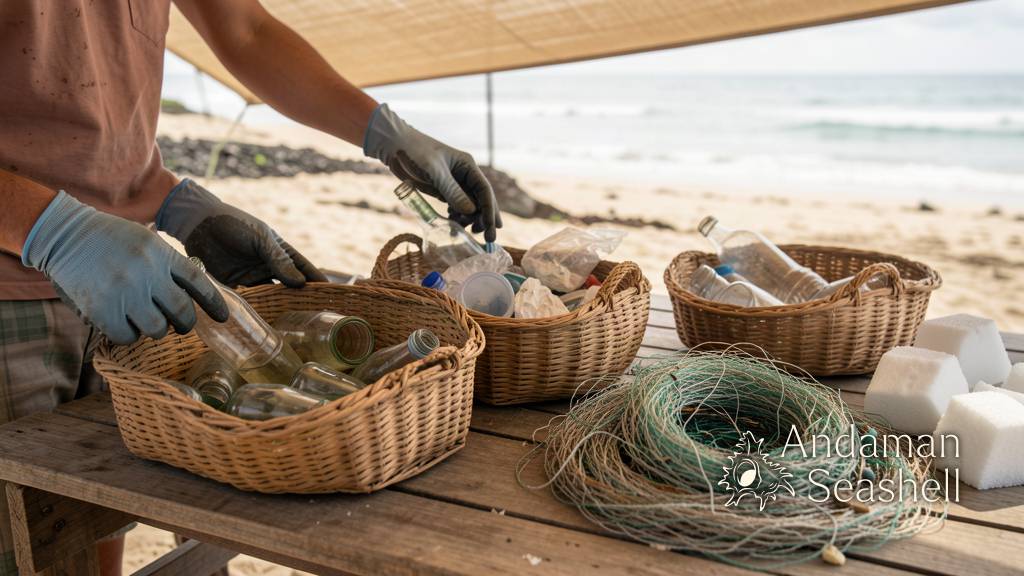
Everything collected was sorted and weighed by type, and the breakdown reads like a fingerprint of the coast. General waste led at 851.4 kg, followed by 299.3 kg of recyclable plastic and 275.5 kg of glass. Fishing gear accounted for 188.5 kg, foam for 134.5 kg and metal for 94 kg, with 15.5 kg of hazardous waste and 9 kg of lost shoes rounding out the tally [ref:1]. The glass figure drew particular attention from organisers, who noted how much broken glass reaches beaches in a destination where barefoot evenings are part of daily life.
A network, not just a morning
Behind the event stands the Sustainable Khao Lak Network, which Discovery Travel has helped coordinate from the beginning, alongside Big Blue Diving's Living Blue initiative and Andaman Turtle Watch [ref:1][ref:3]. Participation has always been free and open to anyone — residents, schools, dive centres, hotel teams and visiting travellers alike [ref:3]. National-park rangers and DMCR officers backed the stations, and the Challenge is now fixed to 5 October each year, held in memory of Jack, a much-missed member of the Khao Lak community who cared deeply about the coast [ref:1].
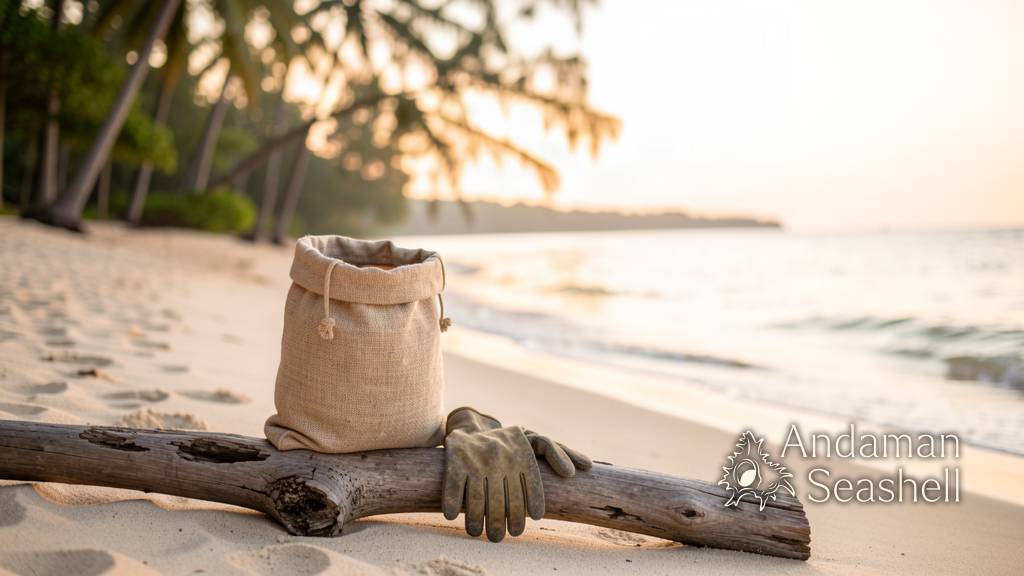
The 2027 edition will doubtless grow again — and if you will be on the Andaman coast next October, this is one of the warmest ways to meet the real Khao Lak: an early start, a shared task, and a coast handed back cleaner than you found it. Anyone wanting to join the network can reach it through Discovery Travel's Khao Lak channels [ref:1].


No comments yet. Be the first to share a thought.