



On a reef somewhere between Khao Lak and the Similan Islands, a hawksbill turtle glides past a diver's camera, and for a moment looks straight into the lens. That single frame is enough. Back on shore, the photograph joins a growing family album: Andaman Turtle Watch, the Andaman Sea's first public-facing sea-turtle photo-identification database, which a small community of Khao Lak divers and ocean lovers built from scratch in barely a year.
The idea is delightfully simple: every sea turtle has a face nobody else has. The pattern of scales on the sides of a turtle's head is as individual as a fingerprint, and those patterns stay stable for years [ref:5]. So when divers and snorkellers photograph a turtle's cheek — from a respectful distance of at least three metres — researchers can match it against every other photo ever submitted and know exactly who they've just met.
From one GoPro frame to 451 sightings
Andaman Turtle Watch launched in October 2024, making 2025 its first full calendar year — and what a year it was. The database now holds 451 verified sightings from across the Andaman Sea, and 92 turtles have been given names [ref:1]. Not catalogue codes. Names. Gracie, Anakin, Tula, Barney, Red Ruby, Turtlelini — each with a public profile page telling its story, so anyone can meet the cast and follow their favourite's adventures.
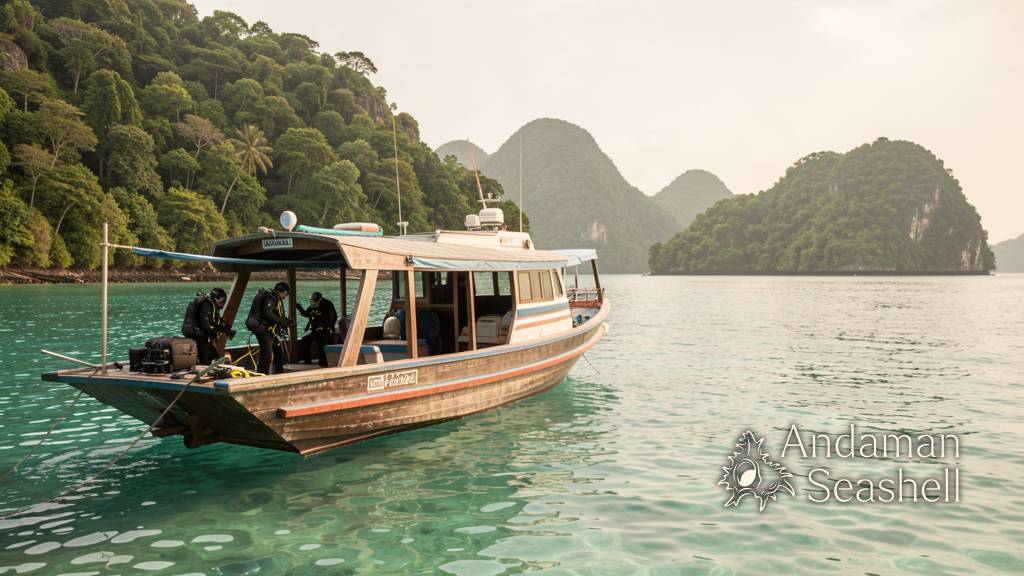
Much of the momentum came from Big Blue Diving Khao Lak, the project's single largest contributor. With just one liveaboard and one speedboat, the team submitted 117 of those sightings, encountered 46 unique turtles, and named 36 of the 92 turtles in the database [ref:1]. The project's champion citizen scientist, dive professional Sam Hunt, personally logged 42 sightings and named 16 turtles. It proves something lovely: you don't need a research vessel to do real science — you need curious people who keep their cameras ready.
The science hiding in a holiday photo
This is more than a heart-warming hobby. Peer-reviewed research has shown that software matching of facial scale patterns can correctly identify free-swimming green and hawksbill turtles about 85% of the time, and cuts photo analysis time by 80% compared with eyeballing images by hand [ref:3]. In other words, tourist snapshots genuinely become scientific data.
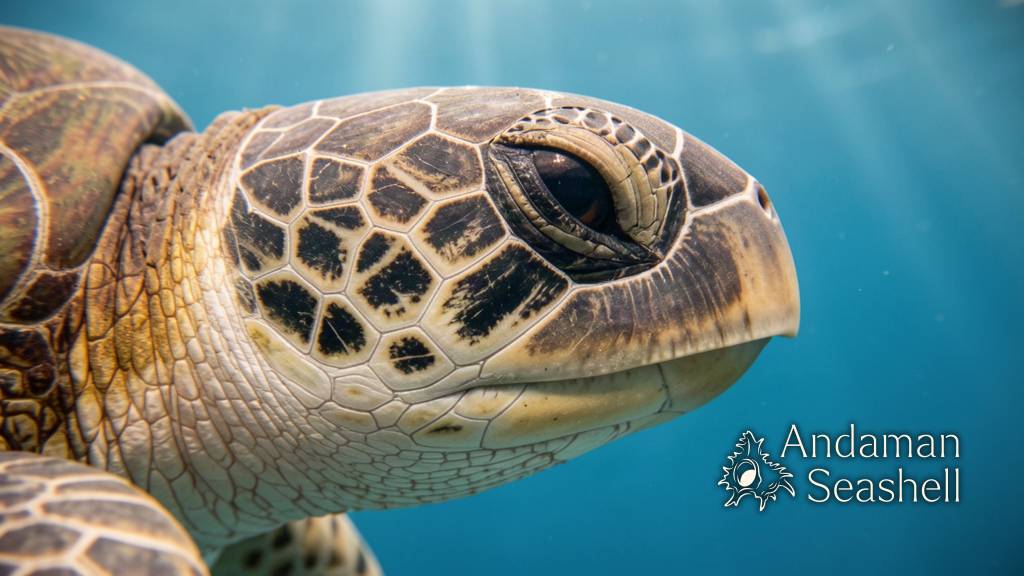
The repeat sightings are where the treasure lies. In 2025 Big Blue alone recorded 64 recaptures — the same turtles, seen again and again — which is exactly how scientists measure site fidelity, movement and long-term residency [ref:1]. Divers also logged the project's first records of hawksbills feeding on feather stars and on anemones, and once, four dive groups surfaced certain they'd all shared the same turtle… until photo-ID revealed four different individuals on a single dive [ref:1].
That knowledge now travels upstream. At the end of the 2024/25 season, the project delivered a pilot report to Similan Islands National Park covering 310 turtle sightings recorded inside the park — data that helps rangers decide which reefs deserve the most care [ref:1]. It matters especially for hawksbills, a Critically Endangered species that nests right here on Thailand's Andaman coast [ref:4].
You can join the turtle ID club
The doors are wide open. From 20–26 October 2026, a seven-day citizen-science course in Khao Lak combines the SSI Advanced Open Water certification with SSI Turtle Ecology: eight dives, two of them dedicated citizen-science dives in the Similan and Surin national parks, taught in English, Thai and Japanese using real sightings from the database [ref:2]. Prefer to start smaller? A one-day turtle ecology workshop covers species identification, photo-ID basics and responsible wildlife observation — no diving certification needed.
And if you simply spot a turtle while snorkelling on holiday, submit the photo. Rules of the house: never touch, feed or chase, keep three metres of polite distance, and let the turtle set the pace.
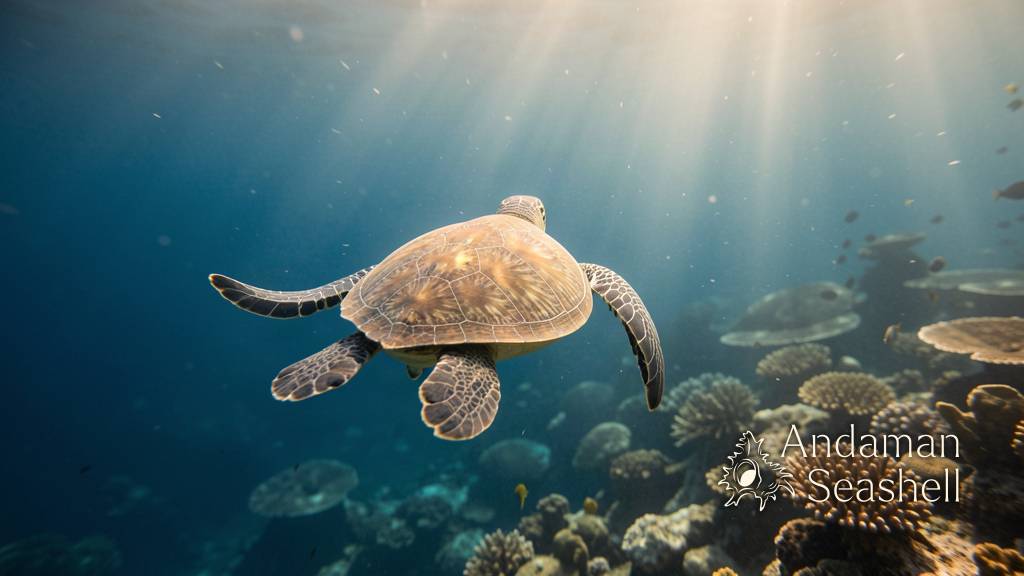
Somewhere out there this season, turtle number 93 is waiting for a name. It could be your photo — and your name — that adds the next page to the Andaman's living guestbook.
References
- Big Blue Diving Khao Lak × Andaman Turtle Watch — 2025 Recap
- Sea Turtle Ecology & Advanced Diver — ATW Citizen Science Course (Scubago listing)
- Calmanovici et al. 2018, Marine Ecology Progress Series 589 — I3S Pattern photo-ID assessment
- IUCN Marine Turtle Specialist Group — Hawksbill status justification
- Photo-identification shows spatio-temporal distribution of sea turtles (PMC)


No comments yet. Be the first to share a thought.