



On 4 February 2026, a press release landed in Amsterdam and travelled quickly to the Andaman coast: Phang Nga had been named the seventh Most Welcoming Region on Earth in Booking.com's annual Traveller Review Awards — the only region from Thailand, and the only one from anywhere in Southeast Asia, to make the global top ten [ref:1]. Not bad for a province that most world maps barely label.
The award was not decided by a jury of tourism experts or a marketing campaign. It was computed from the quietest data there is: what guests actually write after they go home. Booking.com's 14th annual Traveller Review Awards drew on more than 370 million verified reviews from travellers worldwide, recognising 1.81 million partners across 221 countries and territories [ref:1]. To earn an award, a property needed an average review score of 8.0 out of 10 or higher — meaning Phang Nga's hosts didn't just satisfy their guests; they delighted them, again and again, at scale [ref:1].
What the ranking actually measured
The "Most Welcoming Places" list works like this: Booking.com ranks destinations by the share of accommodation partners receiving a Traveller Review Award, filtered for destinations with above-average numbers of winners. It's a hospitality purity test — a measure of how consistently warm a place feels to strangers, judged by the strangers themselves [ref:1].
Phang Nga finished seventh, between Sachsen in Germany and Overijssel in the Netherlands, in a top ten headed by Hidalgo in Mexico and Newfoundland and Labrador in Canada — company that includes Navarra in Spain, Idaho in the United States and Himachal Pradesh in India [ref:1]. Forbes, reporting on the list, described coastal Phang Nga as a place of community hospitality where visitors feel like regulars fast [ref:2].
Anyone who has spent a morning here knows exactly what those reviews were recording.
The welcome behind the numbers
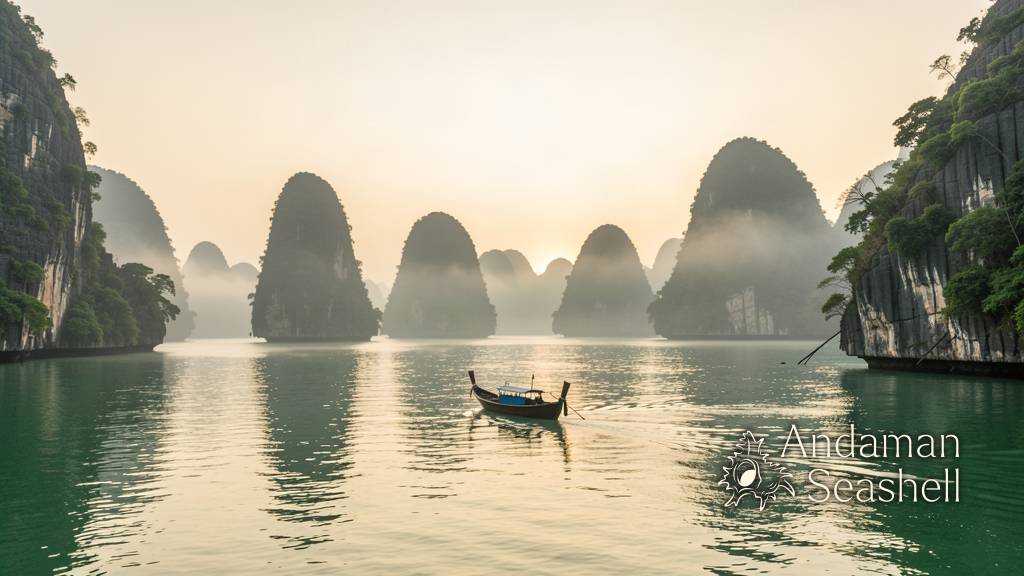
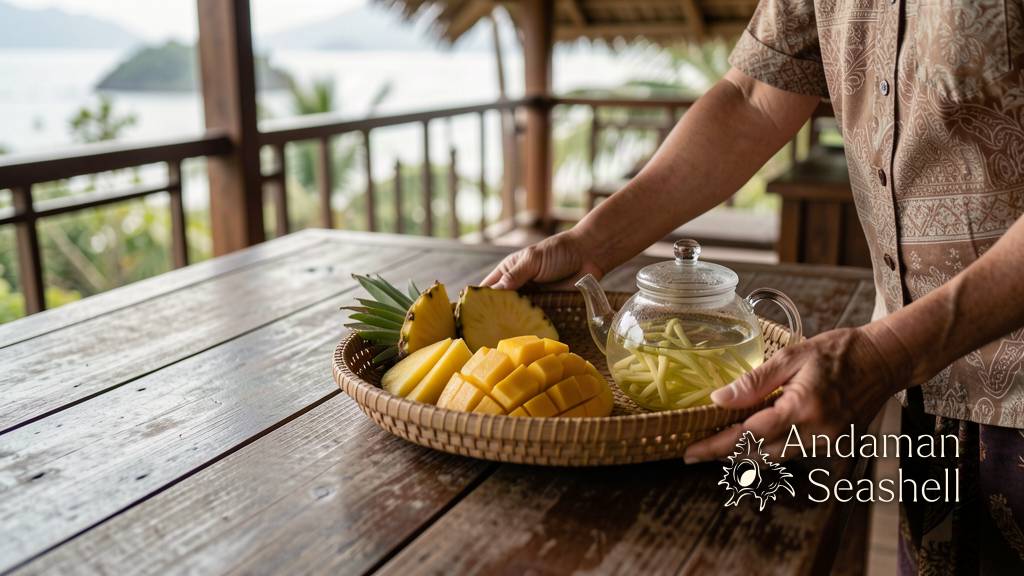
The warmth that earned this ranking lives in specific, repeatable moments. It's the longtail boat captain who points out a sea eagle on the crossing to Phang Nga Bay's limestone towers — karst islands that have risen from these tidal flats since the bay became a marine national park on 29 April 1981 [ref:4]. It's the homestay host who appears at dawn with a plate of fresh pineapple and a story about her grandmother's village. It's the morning market, where buying Khanom chin noodles comes with a lesson in which curry to pair them with.
It is also, increasingly, organised. Communities like Baan Tha Din Daeng in Phang Nga's Takua Pa district run their own community-based tourism: local families design the tours, host the meals and keep the benefits in the village, so the person welcoming you is the person the visit supports [ref:5]. That model — hospitality owned by the community rather than performed for the visitor — is precisely the kind of authenticity that reviewers rewarded this year; Booking.com noted that travellers are seeking character-rich stays with a genuine sense of place above all else [ref:1].
Why this coast, why now
Thailand's travel media noticed. The Nation Thailand reported the ranking as national good news, a signal that the kingdom's quieter provinces are winning the recognition that used to flow only to the famous islands [ref:3]. And the timing fits how people now travel: after years of crowds, guests are choosing places where the pace is slower and the hosts remember your name by the second morning.
There is a deeper reason the welcome here runs so deep. This is a coast shaped by tides and neighbourliness — fishing families, rubber smallholders, village kitchens. When tourism arrived, it slotted into existing rhythms rather than replacing them. The mangrove forests lining Phang Nga's estuaries, among the most extensive in Thailand, have long been managed by the communities that live beside them, and that same custodial instinct now extends to visitors [ref:5].
Come and be counted
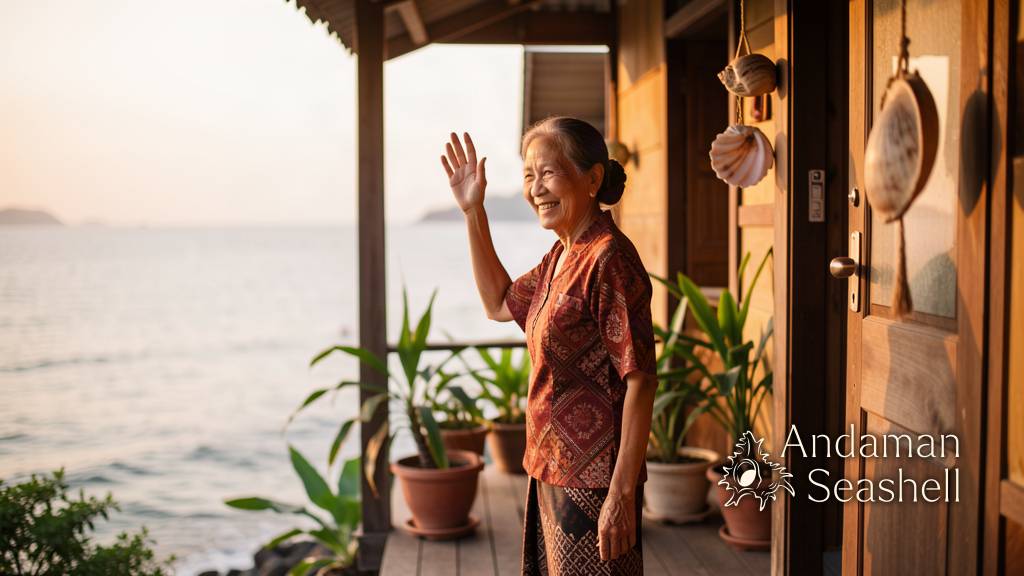
The best part of this story is that it's still being written — by guests, one review at a time. Sunrise at Samet Nangshe viewpoint over the bay's stone islands, a longtail drift beneath the karst walls, an evening meal in a village that has decided to open its doors: every one of those experiences ends with a host who will ask, sincerely, whether you ate enough.
The world's travellers have voted, and they put Phang Nga seventh on Earth for warmth. Come find out what they were writing about — and when you get home, you'll probably find yourself writing the same thing.


No comments yet. Be the first to share a thought.