



On a bright December morning off Maiton Island, southeast of Phuket, a small crowd of conservationists counted down together, and a young leopard shark slid out of its carrier and into the blue. Her name was Hope. One year after the first three sharks of Thailand's groundbreaking rewilding program entered the sea, seven spotted swimmers are out there right now — and every one of them is being cheered on by an entire coast.
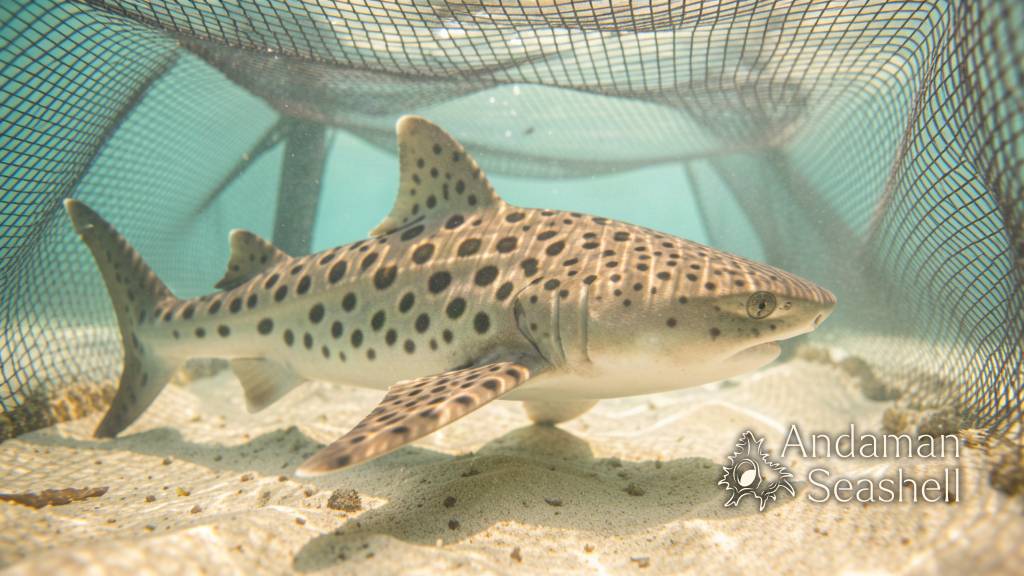
The program is called StAR — Stegostoma tigrinum Augmentation and Recovery — and it is the first effort of its kind ever attempted in Thailand [ref:2]. Its first three graduates, Similan, Maya and Ginger, were released in September 2025; four more followed that December from the sea pen at Maiton Island [ref:1]. The species they belong to, the Indo-Pacific leopard shark, is unmistakable: cream-coloured skin scattered with bold dark spots and a tail nearly as long as its body.
Why seven sharks matter so much
Here is the number that explains the celebration. Scientists preparing a Population Viability Analysis for the Andaman Sea estimate that only 57 to 172 leopard sharks remain along Thailand's west coast — in waters that could naturally support around 1,000 of them [ref:1]. So every released shark is not a drop in the ocean; it is a meaningful addition to a very small, very beloved family.
The species is listed as Endangered, having declined by an estimated 50 to 79 percent globally over three generations [ref:3]. Slow-growing and slow to reproduce, leopard sharks struggle to bounce back on their own — which is exactly why people along this coast decided to lend a hand.
Meet the shark nannies
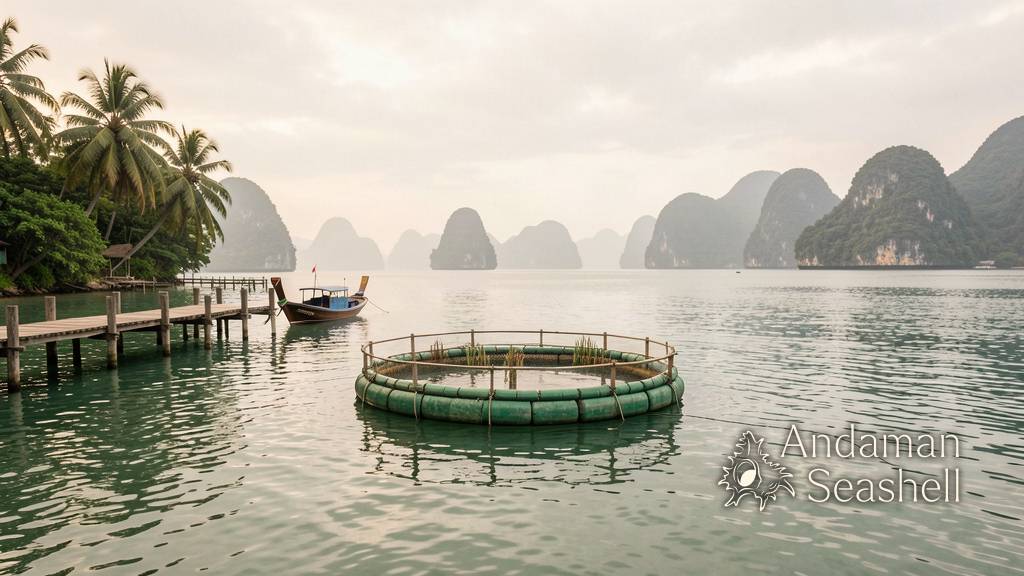
Before Hope ever saw the open sea, she spent months in a floating sea pen off the pier at Maiton, where caretakers the project affectionately calls "shark nannies" handled daily feeding, recorded her growth and logged her general health [ref:2]. Born and raised at Aquaria Phuket, the young sharks learn to hunt natural prey inside the pen before facing the real thing.
Two days before release, marine veterinarians gave the four December sharks full health checks — ultrasound examinations, acoustic tag fittings, DNA samples and measurements [ref:2]. The December quartet, each nearly two years old and between 100 and 140 centimetres long, was cleared for the sea [ref:4].
A bay full of listeners
Once a shark swims free, a quiet network takes over. Twenty underwater acoustic receivers are deployed across Phang Nga Bay — the rich waters between Phang Nga, Krabi and Phuket — and when a tagged shark passes within roughly 500 metres of one, its identity is logged automatically with a date and time [ref:1].
The early news has been delightful. The first three sharks were detected exploring around Koh Dok Mai off Phuket, Koh Khai Nok in Phang Nga Province, and Hin Musang — fittingly, Shark Point — near Phi Phi, venturing up to 16 kilometres from the release site and thriving more than 50 days after release [ref:1]. They are not merely surviving; they are rediscovering their sea.
You can be part of it
The project's warmest secret is that its science started with ordinary people. Every leopard shark's spot pattern is unique — like a fingerprint — so a single holiday photo can help researchers identify an individual. Through the "Spot the Leopard Shark – Thailand" platform, divers, snorkellers and boat crews submit photos that feed directly into tracking the population [ref:1]. A program built on the vision of the Department of Marine and Coastal Resources, national parks staff, Aquaria Phuket and partners such as WildAid and Ocean Blue Tree is now carried forward by the very community that watches these waters every day [ref:1].
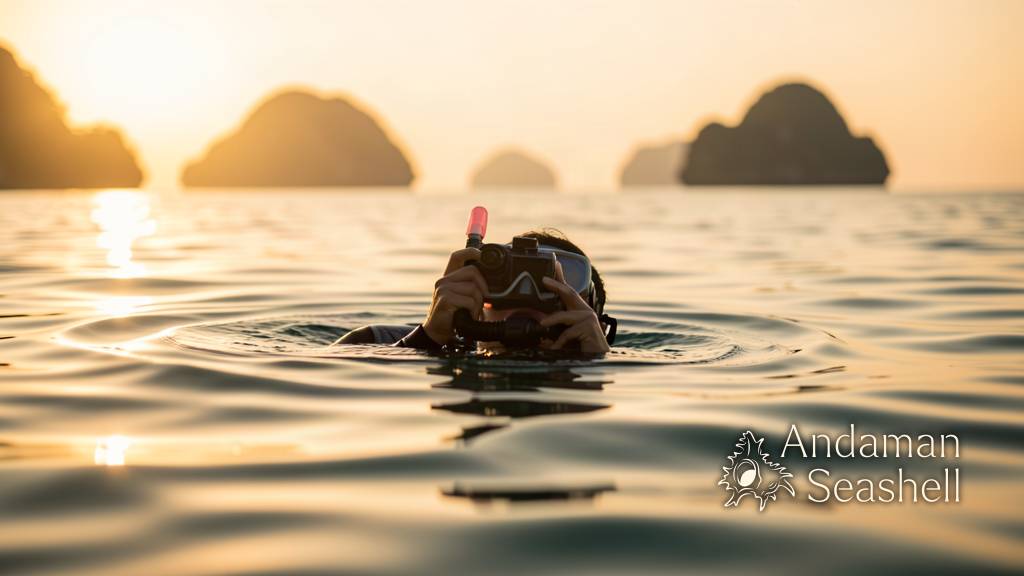
So if you find yourself in the Andaman this season, keep your eyes open beneath the surface. Somewhere out there, Hope is swimming — and thanks to a bay full of listeners, we know she is doing just fine.


No comments yet. Be the first to share a thought.