



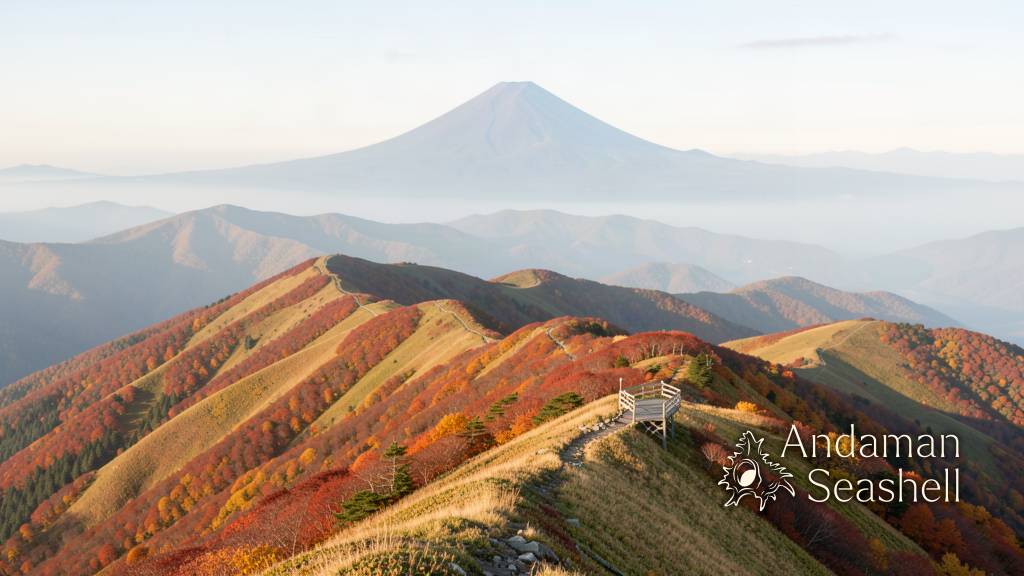
On September 21, the maple slopes above 1,500 metres on Mount Asahidake in Hokkaido's Daisetsuzan National Park quietly reached their first peak of colour — the opening note of Japan's entire 2026 autumn season [ref:1]. Days later, the rest of the country received its own invitation: the Japan Meteorological Corporation published its nationwide forecast on September 2, and the headline is one travellers should celebrate rather than sigh at. Because of high temperatures across the country, this year's red and yellow foliage will peak somewhat later than usual — which, read the right way, means Japan is handing you a longer, more relaxed season of colour.
A season that flows south, not north
Here is the first thing to understand about autumn in Japan: it moves in the opposite direction to cherry blossom season. The cherry front climbs northward in spring, but the koyo zensen — the foliage front — begins in the alpine parks of Hokkaido and gradually spreads southward to the cities and on to Kyushu, a wave of colour that travels roughly 1,500 kilometres over about three months [ref:2]. By the time Kyoto's temple maples glow in early December, the first Hokkaido leaves have already fallen.
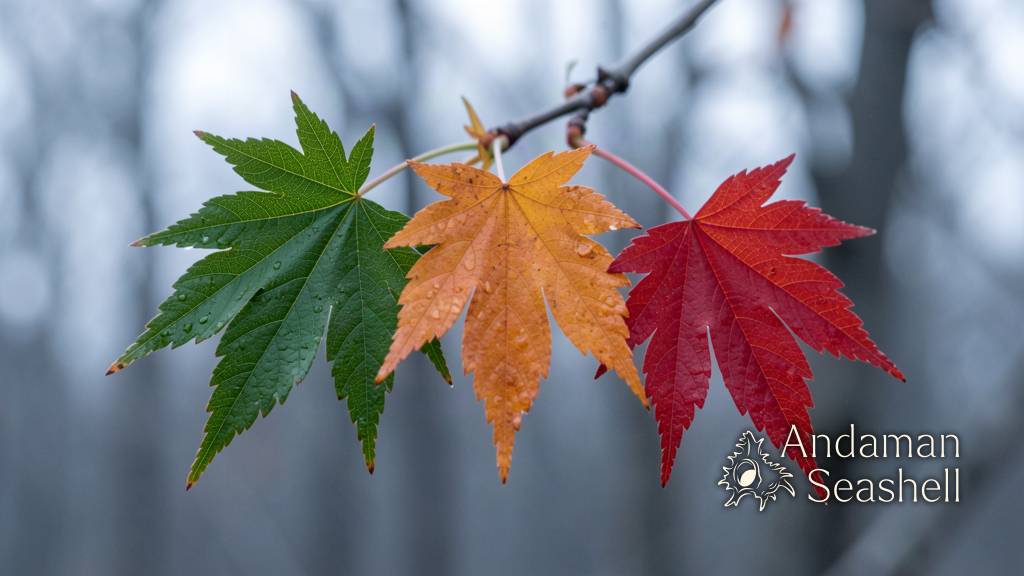
And the trigger is wonderfully precise. Leaves begin to change after five consecutive nights with a minimum temperature below 8°C, when Japan's maples convert chlorophyll to anthocyanin — the compound behind the vivid crimson that makes momiji, the Japanese maple, famous [ref:2].
What the 2026 numbers actually say
The forecast's city-by-city dates make practical planning wonderfully concrete:
- Yellow ginkgo: Sapporo and Aomori peak around November 6, Tokyo on November 26, Kyoto on November 27 [ref:1]
- Red maple: Tokyo peaks around November 29, Osaka on December 4, and Kyoto's maples hold out until around December 11 [ref:1]
- The true latecomers: red foliage in Sapporo is running 10 days late this year, and Nagano 9 days late — the clearest fingerprint of the warm summer [ref:1]
For comparison seekers, Tokyo's Mount Takao — 599 metres of forest just an hour from the city — peaks around November 6–20, a rare mountain experience with train-station convenience [ref:1].
Momijigari: a thousand-year-old pleasure
Chasing this colour is not a modern tourist invention. The tradition is called momijigari — literally "leaf-hunting" — and its earliest recorded excursions date back to the Heian period, when nobles organised trips into the hills with poetry and banquets to honour the autumn leaves [ref:3]. The custom embodies mono no aware, the gentle, empathetic awareness that beautiful things are brief — not a sad idea, but an invitation to be fully present while the colour lasts.
That philosophy is exactly why a late season is a gift. When Kyoto's maples hold their crimson until December 11, the window of wonder stretches wider than usual, and travellers who book late-November trips get a second chance at peak colour in early December.
How to use the forecast like a local
The Japan Meteorological Corporation doesn't stop at cities — it publishes foliage forecasts for some 3,000 mountains and 700 locations nationwide, updated monthly through late November [ref:1]. The rhythm is simple: check the forecast for the elevation you'll visit, not just the city name, because colour at 1,500 metres arrives weeks before colour at street level.
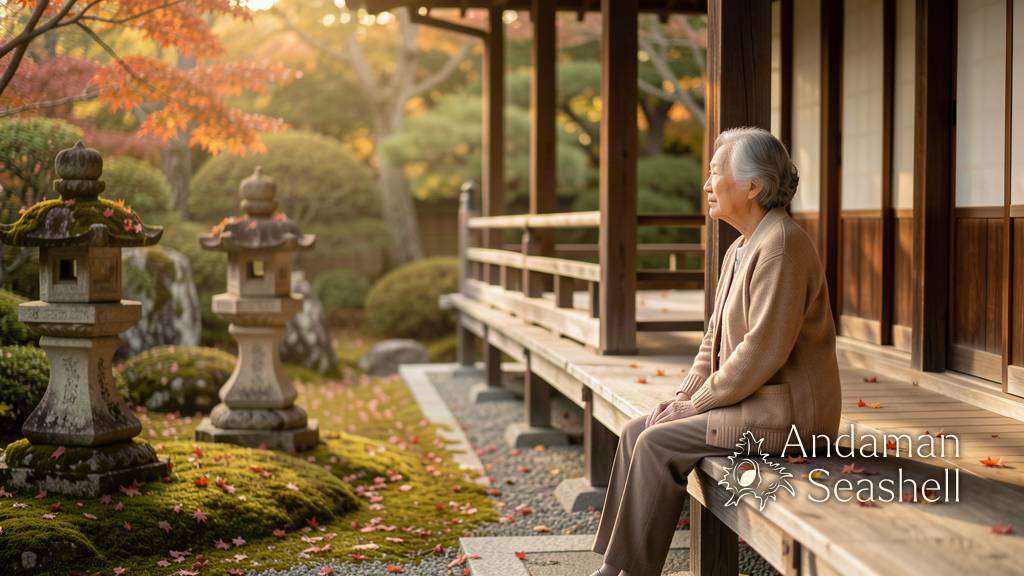
So start high and early — Daisetsuzan's ridges are glowing right now — then follow the colour down the mountains and south across the country, ending with a quiet Kyoto garden in December, where maple leaves rest on moss and stone lanterns and the season completes its slow, generous arc.
Whether you catch the first crimson of September or the last blaze of December, autumn 2026 is asking only one thing of you: to look up, slowly, and stay a little longer.


No comments yet. Be the first to share a thought.