



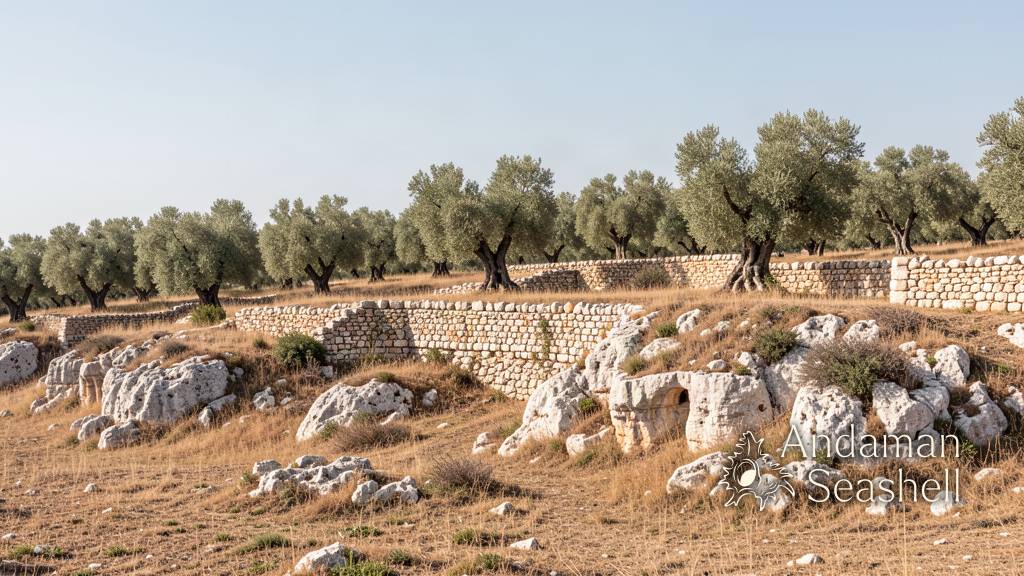
On a quiet limestone ridge near Parabita, a small town on the heel of Italy's boot, two machines spent the autumn listening to the ground. One sent soft pulses of radar into the earth; the other threaded gentle electric currents through the rock. Neither lifted a spade, disturbed a stone, or touched the 20,000-year-old treasures lying below — and together, they may have just found hidden rooms that no human being has ever seen.
The machines were scanning the ground around the Grotta delle Veneri, the "Cave of the Venuses", one of the most beloved prehistoric sites in southern Italy. It sits in Apulia about 40 kilometres south of the city of Lecce, on a low karst ridge honeycombed with limestone [ref:2]. And the story the instruments told in October 2026 is turning a well-known cave into a brand-new mystery [ref:1].
The cave with two tiny masterpieces
The cave earned its romantic name in 1966, when excavations brought to light something extraordinary: two small figurines of pregnant women, carved from animal bone around 20,000 years ago [ref:3]. The larger measures about nine centimetres, and across her face run deep carved grooves that may show a veil, a mask, or an elaborate hairstyle. Her smaller sister, just over six centimetres tall, was carved in the same graceful style [ref:3].
The same excavations found traces of two different kinds of inhabitants: remains linked to Neanderthals, who sheltered here tens of thousands of years ago, and artefacts from early modern humans, the artists who made the Venuses [ref:3]. Few caves in the Mediterranean hold both stories in one chamber.
How do you read a cave without digging?
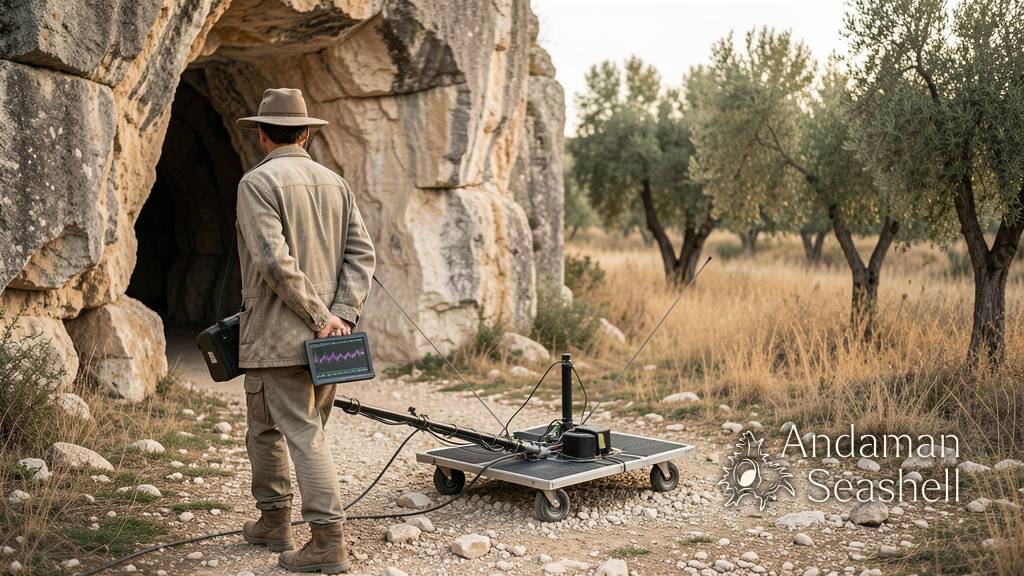
This is where the survey becomes genuinely clever. A team from the University of Malta and Italy's Institute of Heritage Science wanted to check the ground before planned restoration work, to help make the site safer and easier for visitors to enjoy — without disturbing a single archaeological layer [ref:3].
Their tools were ground-penetrating radar, which fires electromagnetic waves into the soil and listens for the echoes, and electrical resistivity tomography, which measures how strongly the underground resists an electric current. Solid rock answers one way; empty space answers another. When both methods agree, confidence rises [ref:2].
What the instruments felt
Across three survey areas, the echoes came back full of surprises. In Area A, the radar traced large hidden features measuring some 8 to 10 metres across, with their ceilings lying less than a metre to under three metres below the surface — shapes the researchers interpret as likely extensions of the known cave itself [ref:1].
Area B revealed smaller pockets, roughly half a metre to one metre across, sitting deeper at 1.8 to 3.6 metres, together with signs of fractured rock beneath the cave — useful knowledge for the engineers planning the restoration [ref:2]. In Area C, further features some 4 to 5 metres wide appeared, their tops between 0.9 and 3.6 metres down [ref:2].
The electrical readings backed the radar up: several zones showed the very high resistance that empty spaces in limestone tend to leave behind [ref:2].
A preview from Gibraltar
Could sealed, forgotten chambers really survive beside a famous, well-studied cave? The Mediterranean has already answered yes once. In 2021, at Gorham's Cave Complex in Gibraltar, archaeologists opened a hidden chamber about 13 metres deep that had been sealed for roughly 40,000 years — and found artefacts from the lives of some of the world's last Neanderthals, beautifully preserved [ref:3].
No one can promise Parabita a sequel. The survey cannot yet say whether the new voids connect to the main cave, or whether they are empty, filled with sediment, or something else entirely [ref:4]. Only careful future archaeology can confirm what the instruments have sketched.
The gentlest kind of discovery
What makes this story so appealing is its patience. Nothing was broken. Nothing was removed. The Venuses still rest where scholars have always kept them, the cave walls still hold their quiet, and the olive trees above keep growing over ground that just became the most interesting limestone in Apulia [ref:1].
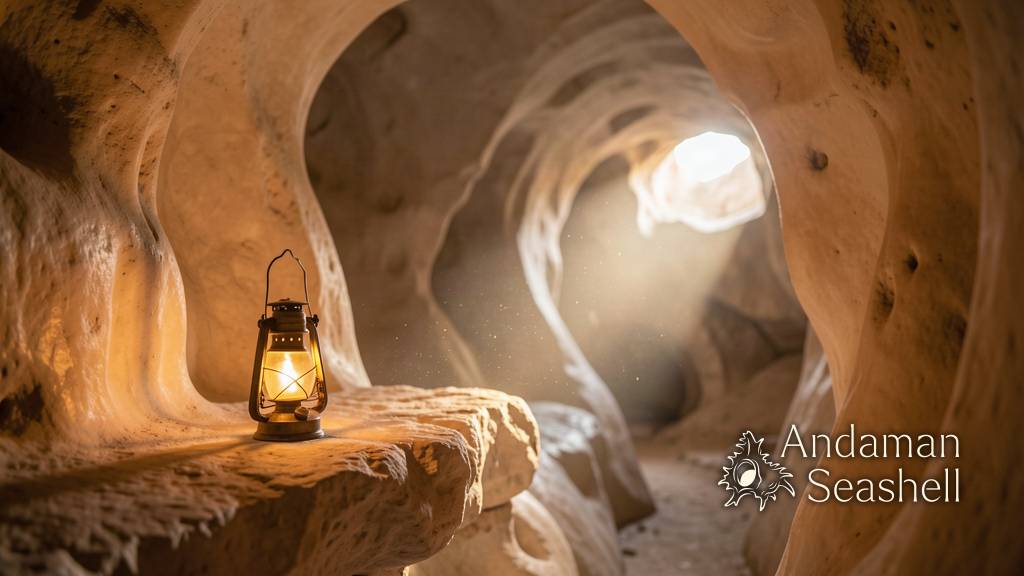
Somewhere below that grove may lie rooms that have waited twenty millennia in the dark for company. Thanks to a radar's whisper and an electric current's murmur, we now know exactly where to look — and when archaeologists finally do peek inside, they will already know the way.
References
- Barbolla et al. (2026). New data about Grotta delle Veneri by GPR and ERT surveys. DAACH 42, e00560
- Archaeology Magazine — Possible hidden chambers found near Italy's prehistoric Cave of Venuses (Oct 11, 2026)
- IFLScience — Scanning anomalies found at the Cave of the Venuses (Oct 12, 2026)
- Morning Overview — Radar found possible hidden chambers in Italy's Cave of Venuses


No comments yet. Be the first to share a thought.