



A seven-minute walk from Gakuenmae Station in Nara can take you into more than a thousand years of Japanese making. On 2026-08-29, The Museum Yamatobunkakan opens The Beauty of Japanese Crafts, from Antiquity to Early Modern Times, a compact but unusually rich exhibition that gathers ceramics, lacquerware, metalwork, textiles, and glass into one clear story about how daily beauty is built.[ref:1][ref:2]
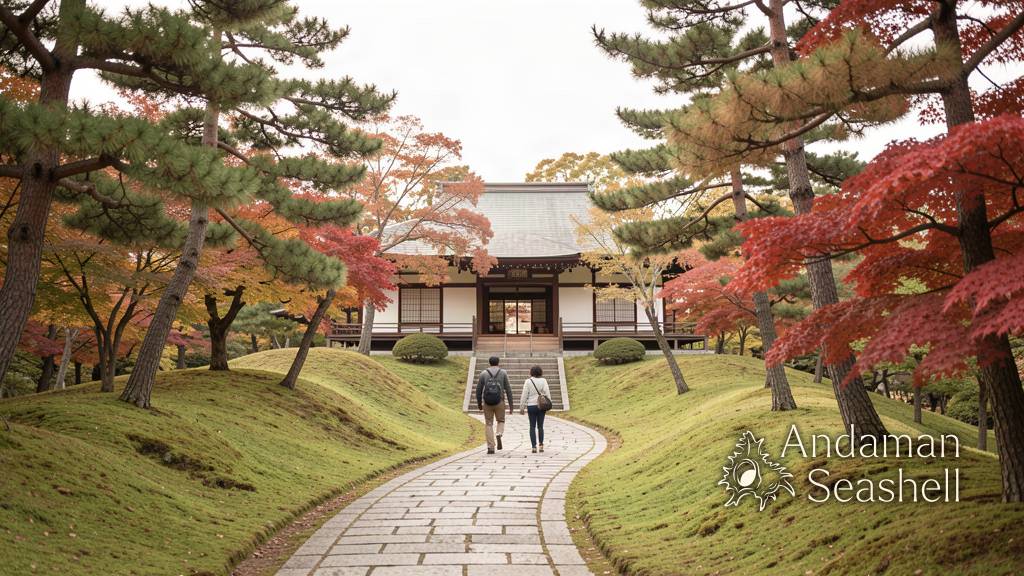
What makes this show especially inviting is how practical it is. The exhibition runs through 2026-10-18, the museum is open 10:00-17:00 with last admission at 16:30, and the venue sits at 1-11-6 Gakuen Minami, Nara, about seven minutes on foot from the south exit of Gakuenmae Station on the Kintetsu line.[ref:2][ref:4] For readers who love craft but do not want a giant, all-day museum marathon, that combination already feels like good news.
Why this exhibition feels bigger than its rooms
The curators are not treating “craft” as a side note to painting or sculpture. They are building the entire show around objects shaped by touch: fired clay, layered lacquer, hammered metal, woven and dyed cloth, and even glass.[ref:1][ref:2] That matters because Japanese craft history is easiest to understand when you look at materials first. A bowl, a desk, or a piece of cloth can quietly carry politics, ritual, taste, and technology all at once.
The official exhibition text sketches a wonderfully readable timeline. In the Asuka and Nara periods, Japanese craft still shows a strong influence from Tang China. By the Heian period, a distinctly Japanese taste becomes clearer. In the Kamakura and Muromachi periods, patronage broadens beyond aristocrats to include warrior society and commoners. By the Momoyama and Edo periods, a much wider public is using crafted objects, and the range stretches from highly refined technical showpieces to objects with a more rustic charm.[ref:2] That is a big historical arc, but this exhibition packages it through things you can actually see on a surface.
Three details worth watching for
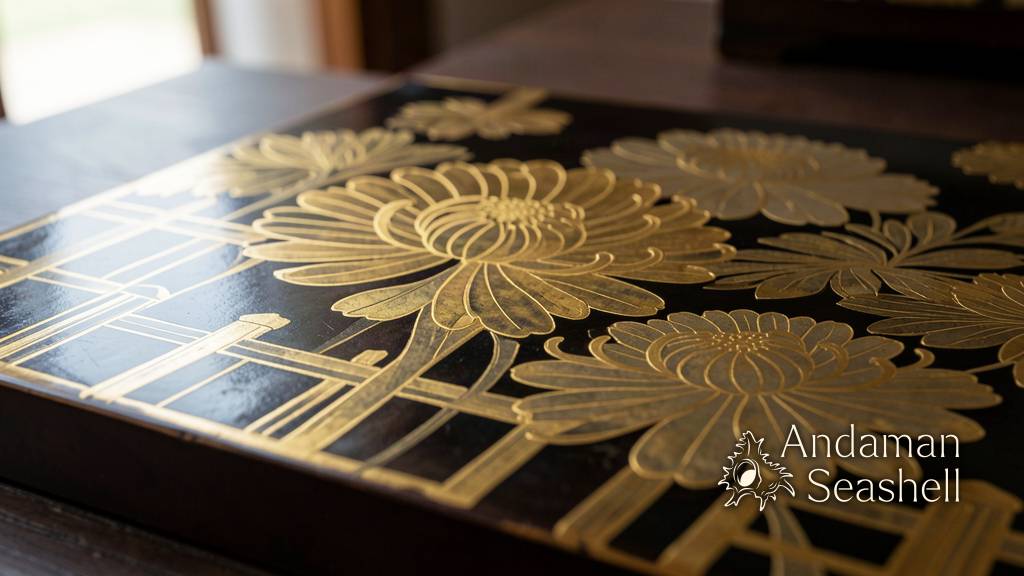
First, watch how decoration changes with function. The exhibition flyer highlights a Muromachi-period Important Cultural Property, a maki-e lacquer desk with chrysanthemum-and-fence design. That kind of object turns a working surface into a field of light, where gold technique and floral pattern do the emotional work together.[ref:1][ref:2]
Second, notice how tea culture enters the story. The museum explains that from the late Muromachi period into the Edo period, the culture of chanoyu, or the Japanese tea ceremony, became deeply tied to the development of Japanese craft.[ref:2] In practice, that means a tea bowl is never “just” a bowl. Shape, glaze, weight, asymmetry, and even roughness become part of a trained way of looking.
Third, enjoy the range. One featured object is an Oribe-type tea bowl with iron-black and white striped design; another is an Edo-period glass covered vessel shown in the exhibition flyer.[ref:1][ref:2] Put those beside lacquer and textiles and the show starts to feel less like a single style and more like a conversation between techniques.
A very friendly museum day in Nara
This is also the kind of exhibition that rewards simple planning. Admission is ¥630 for adults and ¥420 for university and high school students, while junior high school students and younger visitors enter free.[ref:2][ref:4] The museum is normally closed on Mondays, but for this run it will open on 2026-09-21 and 2026-10-12, then close instead on 2026-09-24 and 2026-10-13.[ref:4] Those little calendar details are exactly the sort of thing that makes a trip smoother.
The programming is generous too. There is a special lecture at 14:00 on 2026-09-27 about the mysterious color world of Asuka- and Nara-period crafts, a Sunday art lecture at 14:00 on 2026-10-04 on inscriptions and names on Japanese craft objects, and gallery explanations every Saturday at 14:00 by the museum staff.[ref:2] If you like museums most when someone helps you slow down and really look, those sessions may be the secret bonus. There is also a free admission day on 2026-09-16.[ref:2]
The setting is part of the pleasure
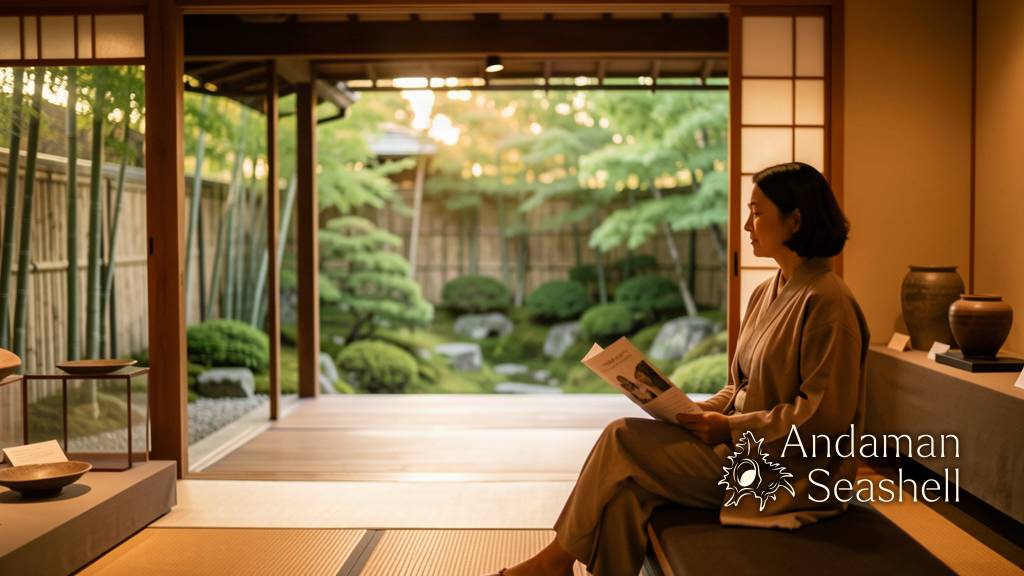
Yamatobunkakan itself is worth knowing. The idea for the museum began in 1946, and it opened in 1960 as a Kintetsu anniversary project in Nara.[ref:3] Today its core collection includes more than 2,000 artworks from Japan, China, and Korea, spanning painting, calligraphy, sculpture, ceramics, lacquer, metalwork, textiles, and glass.[ref:3] Even the building was designed around the belief that East Asian art looks especially beautiful when framed by nature, with a bamboo garden and calm outdoor views built into the experience.[ref:3]
That is why this late-summer exhibition sounds so appealing: it is not only a lesson in objects, but a lesson in attention. You go in for bowls, lacquer, cloth, and glass; you come out a little better at seeing how beauty is made, carried, used, and loved.


No comments yet. Be the first to share a thought.