



A wooden wheel taller than a child rolls onto Shijo Street, rope teams lean together, and a Kyoto summer morning suddenly feels like a moving workshop. At Gion Matsuri 2026, the famous Yamaboko Junko float processions turn July 17 and July 24 into a careful parade of timber, textiles, music, and community rhythm [ref:1].
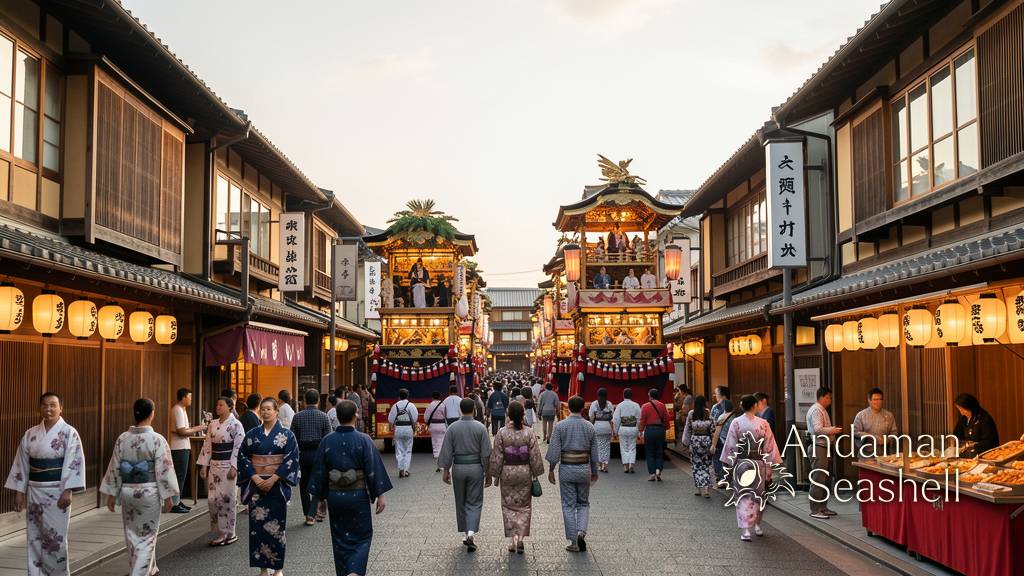
Gion Matsuri belongs to Yasaka Shrine, yet its best-known scenes unfold across central Kyoto rather than only inside the Gion district. Japan Travel lists the festival period from June 30 to July 31, 2026, with Yasaka Shrine as the main venue and the big float parades scheduled for July 17 from 9am to 1pm and July 24 from 9:30am to 11:50am [ref:1]. That month-long rhythm is part of the pleasure: Kyoto does not rush the festival into one quick spectacle. It lets visitors watch the city prepare, assemble, display, move, and return.
The floats are craft you can walk beside
The word yamaboko joins two kinds of festival floats: yama and hoko. Japan Guide notes that Gion Matsuri uses 24 yama and 10 hoko, and that the great hoko can reach up to 25 metres tall, weigh up to 12 tons, and roll on wheels as large as people [ref:2]. Those numbers are impressive, but the human detail is even better. The floats are pulled through the city by teams using long ropes, while musicians and festival participants move with the structure like parts of one living instrument.
The July 17 procession features 23 yama and hoko, including many of the especially large hoko; the July 24 Ato-Matsuri procession features the remaining 11 floats [ref:2]. If you like shokunin—the Japanese idea of a craftsperson devoted to skill, patience, and daily refinement—Gion Matsuri rewards slow looking. Notice rope knots, carved wheels, textile panels, and the way each float carries its own theme.
Yoiyama makes the city feel open-handed
The evenings before the parades, called Yoiyama, are a warm way to understand the festival before the wheels begin moving. Japan Travel lists Yoiyama nights for July 14–16 and July 21–23, generally from 6pm to 11pm, when central streets close to traffic and fill with food stalls, drink vendors, float displays, and people in summer yukata [ref:1]. Japan Guide adds that in 2026 road closures happen on July 15 and 16, with festive evenings before the second procession on a smaller scale [ref:2].
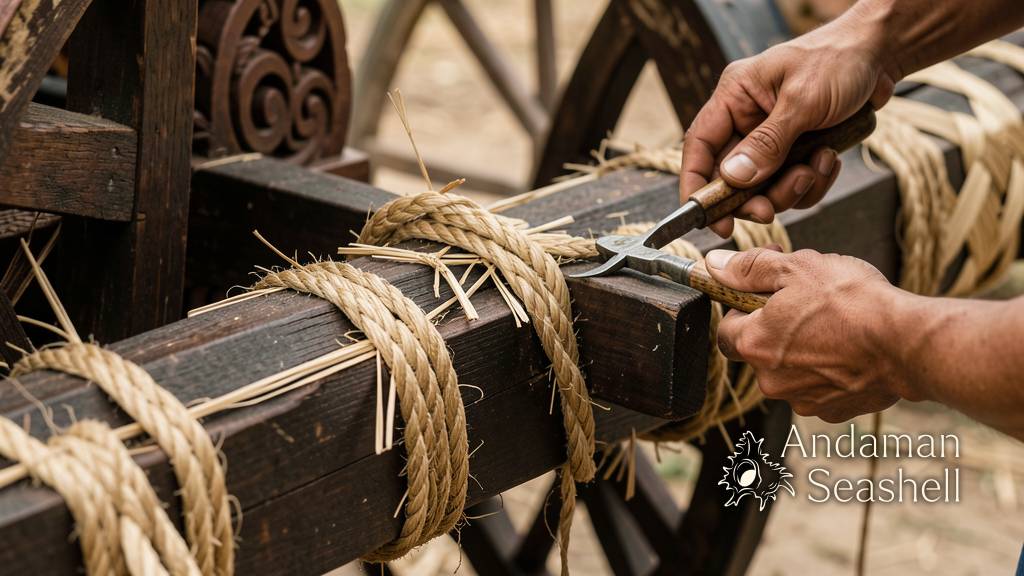
This is where Gion Matsuri becomes approachable. You can stand near a float, admire a hanging textile, hear festival music, and see machiya townhouses open their fronts for the Byobu Matsuri, when local families display treasured screens and heirlooms. From July 10 to 14, and again from July 18 to 21 for the second procession, visitors may also watch floats being assembled from scratch without nails [ref:2]. That fact alone changes how the festival feels: the grand parade is not only a performance, but the visible result of many careful hands.
A tradition with a long calendar memory
Gion Matsuri dates back to 869, when it began as a religious ceremony connected to prayers for the city. Today, it remains one of Yasaka Shrine’s most important festivals and keeps a striking custom: a local boy is chosen as a divine messenger, and from July 13 until after the July 17 parade he does not set foot on the ground [ref:1]. The detail is small, ceremonial, and memorable—exactly the kind of story that makes a visitor pause with respect.
The route itself is practical to understand. Japan Guide describes the float processions as following a three-kilometre route along Shijo, Kawaramachi, and Oike streets, beginning from Shijo-Karasuma on July 17 and Karasuma-Oike on July 24 [ref:2]. Paid seating is available in some areas, but the length of the route also gives patient visitors chances to find a view. The smartest plan is simple: arrive early, carry water, move lightly, and treat the streets as shared cultural space.
How to look with care
For a first visit, choose one main moment rather than trying to collect everything. Yoiyama is best for close viewing and atmosphere; July 17 is the grand craft statement; July 24 is a quieter second chapter with its own elegance. If you can, watch both the stillness and the movement: a float displayed at night, then the same structure rolling by in daylight.
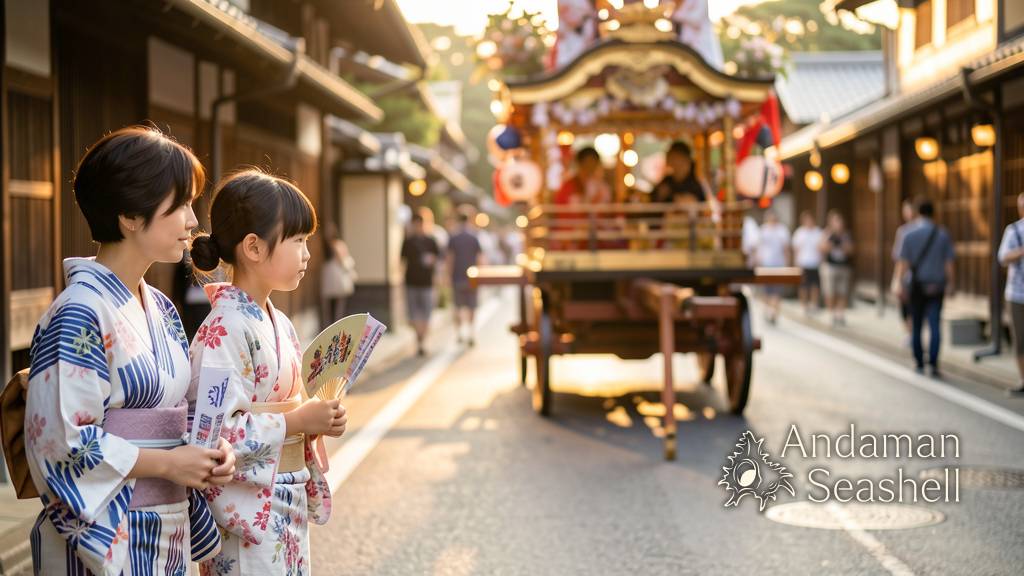
What makes Gion Matsuri special in 2026 is not only its age or scale. It is the way Kyoto lets craft become public for a month. Wheels, ropes, textiles, music, streets, shrine ritual, and summer clothing all meet in one generous civic rhythm. Look slowly, and the festival becomes more than a parade. It becomes a living museum with no glass case—only timber, fabric, hands, and a city that knows how to remember beautifully.


No comments yet. Be the first to share a thought.