



She wobbles once, twice, then finds it — that impossible moment when the board stops fighting and starts gliding. For Nanthawan, a tourism operator from Bangkok who had never touched a surfboard before June 18, the monsoon waves at Memories Beach have just delivered something no spa treatment ever could.
"I did not come here to learn surfing," she says afterward, still brushing sand from her rash guard. "I came to understand what my guests might feel. But somewhere between falling and standing up again, I forgot I was working."
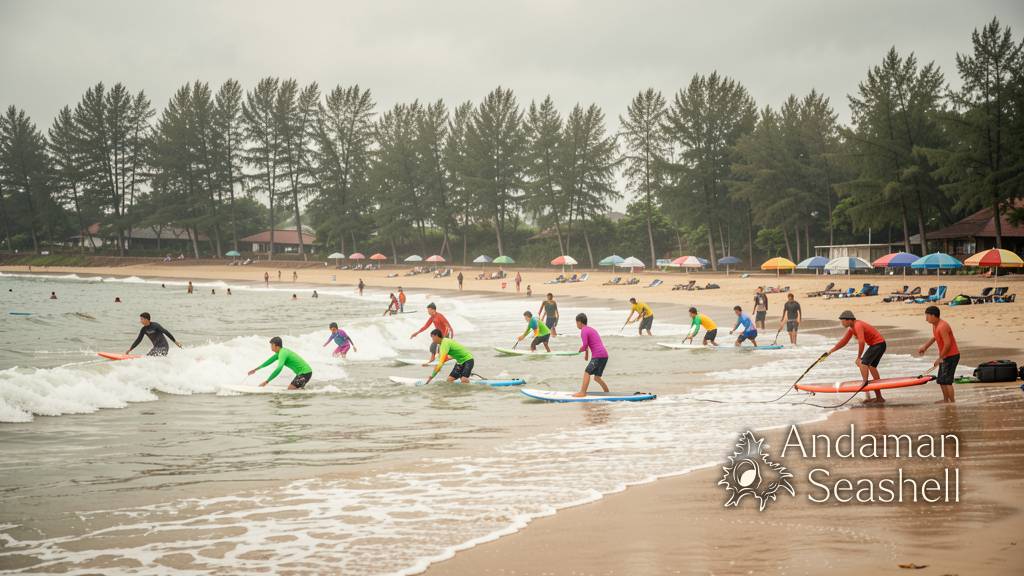
Where Waves Meet Wellness
Khao Lak's beaches empty out during the southwest monsoon. The dive boats stay moored, the Similan-bound speedboats hibernate, and the coastline belongs to the locals again — along with anyone willing to embrace the season's wilder character.
This June, that character drew 36 participants to "Thailand Surf Therapy Real Experience and Trust Building Journey," a two-day pilot programme that ran June 18-19 at Memories Surf House [ref:1]. Organised by the Tourism Authority of Thailand alongside Prince of Songkla University's Phuket Campus, La Vita Sana wellness operators, and surf therapy specialists Waves for Change from South Africa, the programme aims to establish a science-based framework for surf therapy as a wellness tourism product [ref:2].
The concept is not new globally — Waves for Change has spent over a decade using surfing as a mental health intervention in vulnerable communities. But applying it to tourism, and doing so with academic rigour, represents new ground for Thailand.
The "Take 5" Approach
What separates surf therapy from a standard surf lesson? Structure and intention.
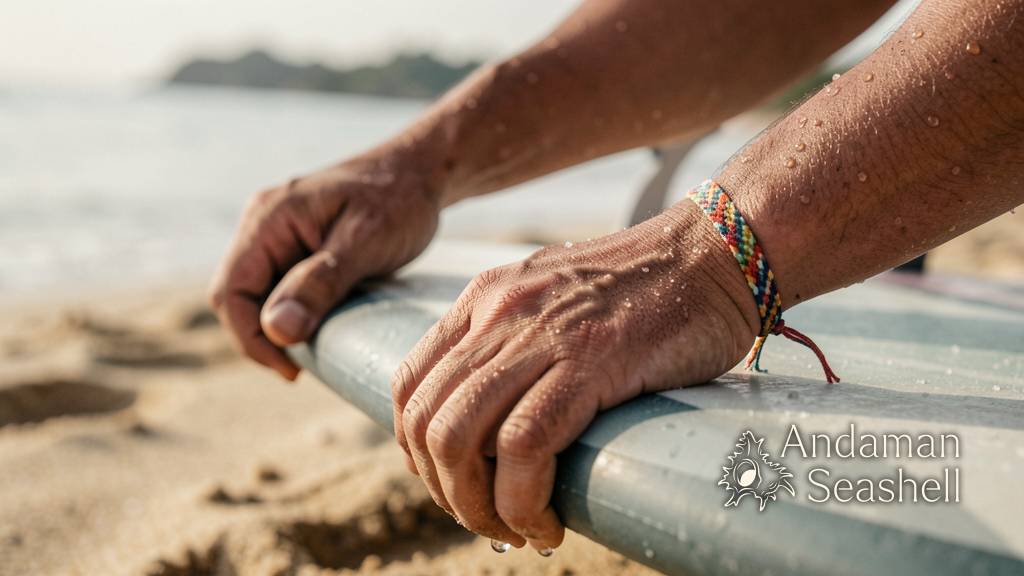
The programme adapts the "Take 5" methodology — a framework of progressive emotional engagement with ocean-based environments. Participants do not simply paddle out and hope for the best. They move through stages: understanding the water, becoming comfortable with falling, and eventually creating what facilitators call "safe inner space."
"Surf therapy is not only about learning to ride the waves," explains Liaan Papier from Waves for Change, who led the opening session. "It is about creating a safe space that helps people build self-confidence, strengthen mental resilience, learn to regulate their emotions, and form meaningful relationships through the power of the sea" [ref:2].
The water temperature hovers around 28°C. The monsoon swells are forgiving for beginners — enough push to feel the ocean's power, not enough to overwhelm. Instructors from Memories Surf House, Khao Lak's largest surf operation, guide participants through preparation protocols and safety frameworks before anyone touches the water.
Three Paths Forward
The pilot tested three programme formats, each designed for different depths of engagement:
-
Wave Reset Program (3-5 days): For visitors seeking immediate stress relief and mental recalibration. Focus on understanding nature and becoming comfortable with falling.
-
Ocean Balance Program (7-14 days): Deeper engagement with wellness routines integrated into coastal living. Exploring how the sea changes moment to moment.
-
Surf & Soul Program (14+ days): Full immersive transformation combining surf practice, mindfulness, and lifestyle adaptation [ref:1].
Day two added complementary practices at La Solaya Hotel's Thai sala — floating exercises, Tibetan singing bowl sound therapy, breathwork sessions. The ocean remained the anchor, but the healing extended beyond the break.
Why Monsoon Season Matters
There is poetry in the timing. The same southwest winds that close national park islands and pause the dive season also deliver Khao Lak's surf. From May to October, consistent swells wrap around the headlands, transforming this stretch of Phang Nga coast into something it rarely gets credit for: a surf destination.

For coastal communities navigating the tourism low season, programmes like this offer more than economic opportunity. They offer a story that reframes monsoon not as obstacle but as asset.
"Thailand Surf Therapy is another important opportunity to explore how the principles of science-based wellness can be linked with Thailand's strengths — our marine resources, our wellness expertise, and the distinctive character of Thai hospitality," notes TAT Deputy Governor Nat Kruthasoot [ref:2].
What Comes Next
The pilot's findings will be presented at Thailand Health Excellence 2026 on June 30, where stakeholders will review the concept, experience formats, and development direction [ref:1]. Whether surf therapy scales beyond pilot phase depends on operator readiness and coastal destination capacity for sustained, safety-oriented implementation.
For now, the programme has planted something in Khao Lak's monsoon identity — a reminder that wellness can mean salt water and sand as easily as it means massage oil and incense.
Nanthawan, back on shore and already checking the next day's swell forecast, puts it simply: "I fell seventeen times. And each time I got up, I understood a little more about what balance actually means."


No comments yet. Be the first to share a thought.