



Laem Phromthep is about to feel especially lively at the end of this month. From 28-30 August 2026, Phuket will host the Andaman Sustainable Tourism Festival at the famous cape viewpoint, opening the space to more than 60 shops, restaurants, community products, and handicraft stalls, all with free admission. It is the kind of event that lets a sunset landmark become something even warmer: a meeting place for local makers, cooks, musicians, and travellers who want to see the Andaman coast through community life rather than only postcards. [ref:1]
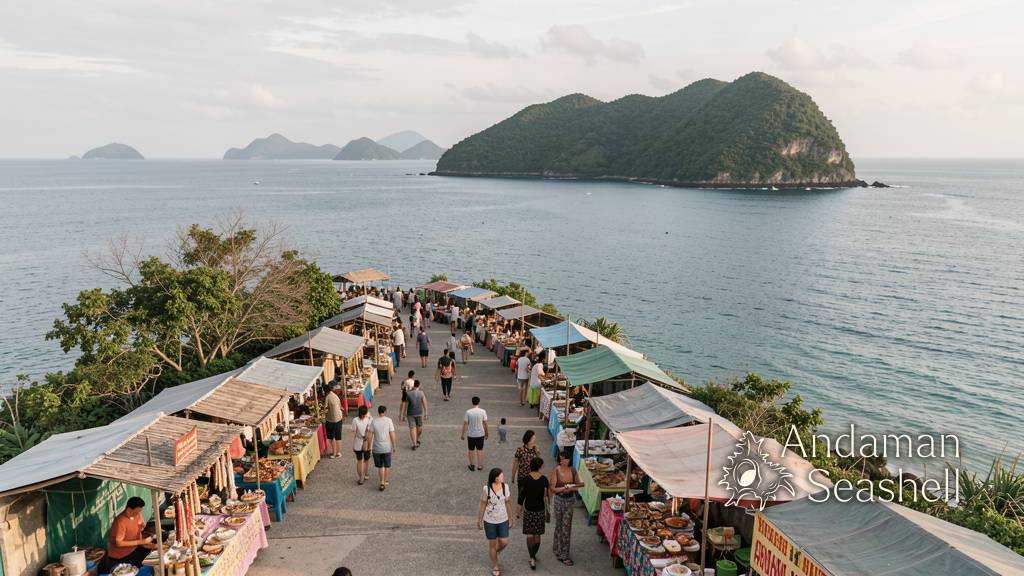
What makes this one feel fresh is its scale. The project is designed to connect five Andaman provinces — Phuket, Phang Nga, Krabi, Trang, and Satun — through tourism that highlights local identity and conservation at the same time. The festival itself was announced at Central Phuket on 18 August, with Phuket Governor Chotinrin Kerdsum joining tourism, local-government, and private-sector representatives for the launch. That means this is not only a weekend fair; it is a public sign that the region is trying to make community-based tourism feel visible, practical, and easy to join. [ref:1][ref:2]
A festival with real details, not just good intentions
The appealing part is how concrete the plan already sounds. Organisers say the wider programme includes training for tourism personnel, operators, and community leaders in sustainable tourism management, plus marine conservation activities involving local communities. Alongside the festival weekend, the project also introduces two strategic two-day, one-night routes: one linking Phuket with Phang Nga, and another linking Krabi with Trang. Those are small details, but they matter. They turn the phrase “sustainable tourism” into something readers can picture as an itinerary, a workshop, and a set of local partnerships rather than only a slogan. [ref:1][ref:3]
Laem Phromthep is a fitting stage for that idea. According to Rawai Mayor Thames Kraithat, the cape can welcome around 1,000-2,000 visitors per day in high season, and previous community events there have shown strong demand, with some stalls selling out before 7pm. That makes the location feel less symbolic and more sensible: it is already one of Phuket’s best-known public viewpoints, and it has enough energy to introduce visitors to crafts and food from across the Andaman region. [ref:2]
The community side is the real draw
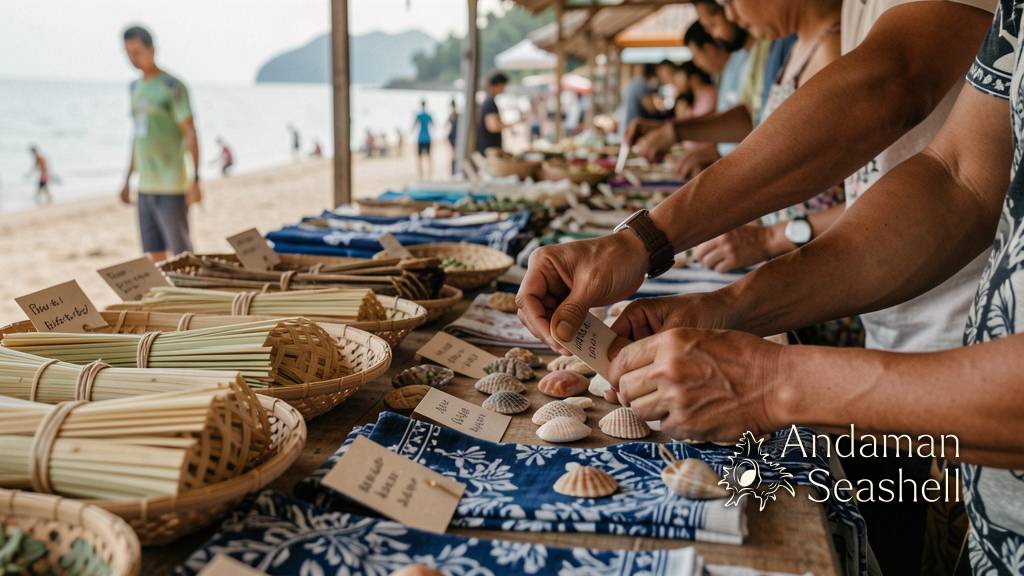
The article about the launch in Phuket also includes one remark that captures the mood beautifully. Somporn Thansakun, president of the Phuket Community-Based Tourism Association, said community tourism in Phuket has been developing since 1997, built by bringing together people, culture, and nature. That timeline is worth pausing over. It suggests that the festival is not appearing out of nowhere. It is arriving on top of nearly three decades of local experience in turning ordinary places, recipes, crafts, and ways of life into experiences that visitors can appreciate with more care. [ref:2]
So what might that look like on the ground between 28 and 30 August? Likely a blend of community products, arts and crafts, workshops, food, drinks, live music, and performances spread across one of Phuket’s most scenic public edges. The announced performers — Earth Patrawee, Whal & Dolph, and Renisara — add a contemporary layer, but the heart of the event sounds closer to the stalls: the handmade items, the local food, the chance to hear how each province wants to present itself. [ref:1][ref:3]
For Andaman Seashell readers, that is the especially charming part. Sustainable tourism can sometimes sound technical. Here, it becomes tactile. You can imagine speaking with a maker, tasting something regional, joining a workshop, then watching the light soften over the cape. If the festival succeeds, it will not be because the phrase is fashionable. It will be because the event gives real space to local identity, and because it invites people to move between Phuket and its neighbouring provinces with more curiosity and more respect.
Why this matters for late-August Phuket
Phuket already knows how to gather crowds for a view. This festival is trying to give the crowd a little more to do with that attention. By pairing a famous lookout with local products, cross-province routes, training, and conservation, the Andaman Sustainable Tourism Festival makes regional tourism feel less extractive and more shared. That is a hopeful model, and a pleasant one.
If you are in Phuket at the end of August, this may be one of the easiest ways to see how the Andaman region wants to introduce itself right now: open-air, creative, community-led, and free to enter. And if the weekend works as planned, Laem Phromthep will offer more than a sunset. It will offer a small, bright map of where Andaman travel wants to go next. [ref:1]


No comments yet. Be the first to share a thought.