



A plate can be a cheerful place to begin. On 11 August, Phuket Rajabhat University turned a simple meal into a small public lesson with its Food Before Waste campaign, inviting students and staff to pause, serve only what they needed, and finish what they took. The launch happened from 5pm onward at the first-floor hall of the Faculty of Agricultural Technology, giving the idea a very human scale: one table, one tray, one better habit at a time.[ref:2]
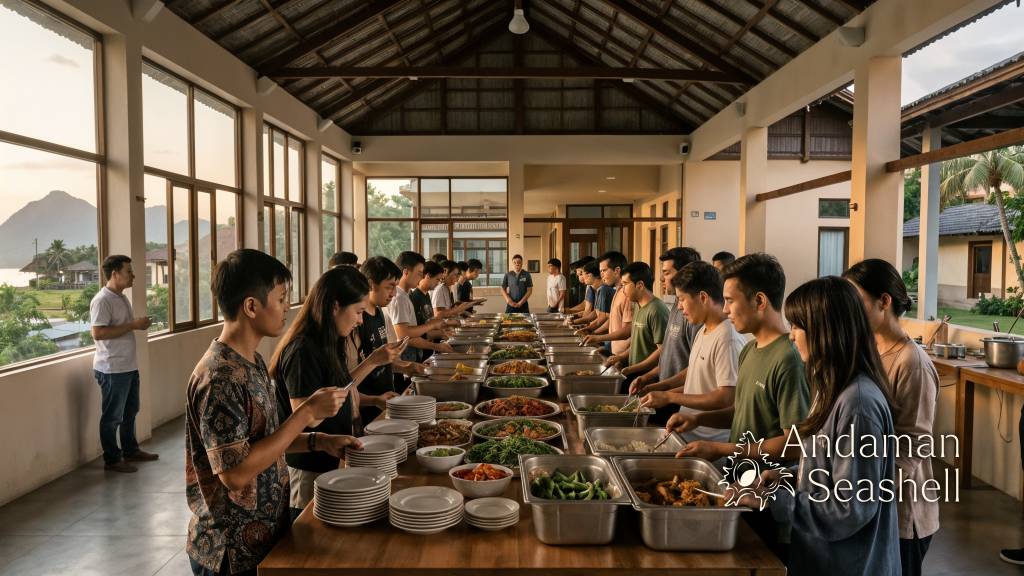
What makes the story especially bright is that the campus activity did not appear in isolation. It arrived just as Phuket officials highlighted a wider island goal: cut food waste by 80% by 2040, with at least 50 local administrative organisations expected to take part.[ref:1] That big provincial ambition can sound abstract on its own. At Rajabhat, it suddenly looked practical. The message was easy to understand — “Take only what you need, finish everything, reduce food waste” — and the university turned it into something people could actually practice over dinner.[ref:1][ref:2]
A campus table with a wider island meaning
Phuket now estimates it generates around 470 to 500 tonnes of food waste every day.[ref:1] That number explains why small behavioural changes matter so much. When a province handles food at the scale of markets, hotels, hospitals, schools, malls and households, even one skipped scoop or one finished plate starts to count.
The Rajabhat event gave that idea a memorable form through a “Food Before Waste Table,” where participants could experience appropriate portioning in real time.[ref:1] It was not only a talk about sustainability. It was a physical exercise in judging appetite honestly, serving carefully, and noticing how satisfying a finished meal can feel. For a community brand like Andaman Seashell, that detail matters: sustainability becomes warmer and more persuasive when people can see it, carry it, and taste it.
From surplus food to ready-to-eat meals
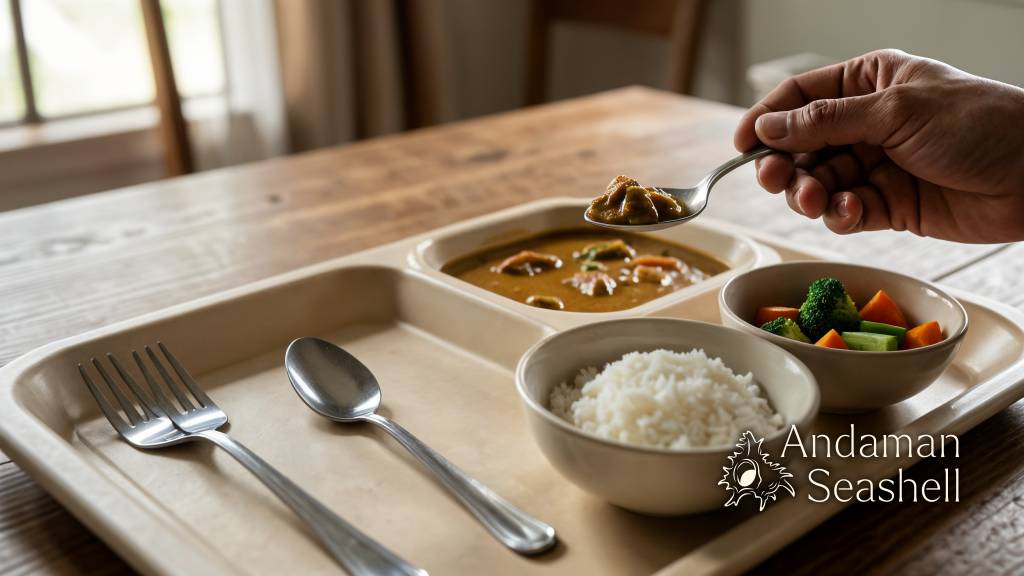
The deeper part of the project is even more interesting. Earlier planning meetings published by the Faculty of Agricultural Technology show that Phuket Rajabhat University has been developing Food Before Waste with the SOS Foundation, with a system focused on handling surplus food from hotels, restaurants, retail shops and wholesalers.[ref:3] The plan describes bringing that excess food into a managed process so it can be prepared into ready-to-eat meals with good taste and quality for the public as well as pupils and university students.[ref:3]
That adds a second layer to the story. The campaign is not only about asking people to waste less at the moment of eating. It is also about designing a friendlier route for food that still has value. Instead of treating surplus as an afterthought, the university is exploring how a local institution can help turn it into nourishment with organisation, culinary skill and community purpose.[ref:3]
Phuket’s 2040 target is taking shape in public
The broader island plan is also gathering structure. Prince of Songkla University Phuket is preparing to host the Thailand Greenest Cities Forum & Expo @Phuket 2026 from 24-26 September 2026.[ref:1][ref:4] According to recent reporting, the forum is expected to bring together 10 provincial administrative organisations, 75 municipalities and sub-district administrative organisations, and more than 50 hospitals, hotels, property companies and medical businesses.[ref:1] Four memoranda are planned around clean-energy cities and buildings, food-waste reduction and the circular economy, the South as a medical and health hub, and green, ecological, resilient cities.[ref:1][ref:4]
There is also a practical method on the table called “Separate-Shred-Reuse.” The idea is to separate food scraps at the source, shred them to reduce weight and transport costs, and reuse them, especially in landscaping and agriculture.[ref:1][ref:4] For readers who like specifics, this is the kind of detail that makes the story feel real. It is not just a slogan about being greener; it is a workflow.
Why this feels right for Phuket
Phuket’s best community stories often start with hospitality, and this one does too. Food is one of the island’s most generous languages. A campaign that asks people to take a little more care with what lands on a plate fits naturally into that culture. It respects growers, cooks, servers, students and families all at once.
It also helps that the Rajabhat campaign aligns itself with the UN Sustainable Development Goal on responsible consumption and production and with the university’s ambition to become a green and sustainable university.[ref:1][ref:2] Those are global words, but the scene remains local and tangible: a Phuket campus hall in the early evening, young people making wiser choices before the meal is even finished.
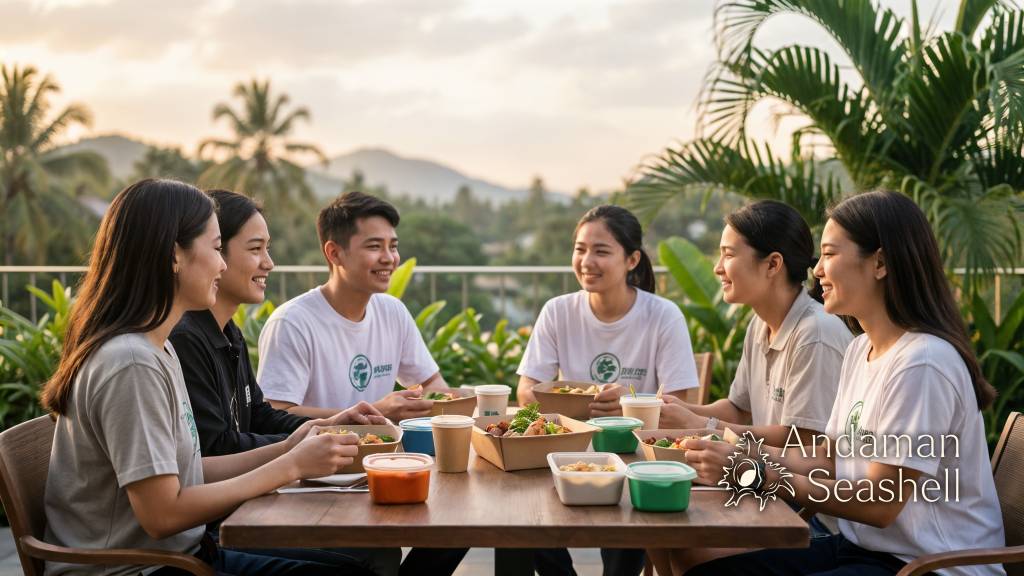
If Phuket reaches its 2040 food-waste target, the change will not come from one giant gesture alone. It will come from many ordinary moments made visible and repeatable. A student choosing a smaller spoonful. A tray coming back empty. A university finding better use for surplus ingredients. That is why Food Before Waste feels like such a lovely Andaman-coast story right now: it turns sustainability from a distant policy into something you can practice before the next bite.


No comments yet. Be the first to share a thought.