



By this time next year, the fastest way to travel between Phuket and Krabi may be to simply step off the land and onto the sea. Thailand’s first commercial seaplane operator, Thai Seaplane, is preparing to launch scheduled passenger flights across the Andaman Sea — and the government has set a target for pilot flights on the flagship Phuket–Krabi route before the end of 2026. [ref:1] [ref:2]
What makes this moment feel genuinely new is a rule that quietly changed everything. In 2025, the Civil Aviation Authority of Thailand (CAAT) introduced the country’s first regulations governing seaplane operations and temporary water-landing facilities — the legal framework that turned years of planning into real flight preparation. [ref:3] That single regulatory step is why 2026 has become the year the Andaman coast gets a new kind of front door.
A 20-minute hop instead of a three-hour road trip
The flagship route answers an old frustration for anyone who has travelled both coasts. Today, the road journey between Phuket and Krabi takes roughly three hours — bridges, traffic, and winding coastal roads included. A seaplane covers the same distance in about 20 minutes. [ref:1] [ref:3]
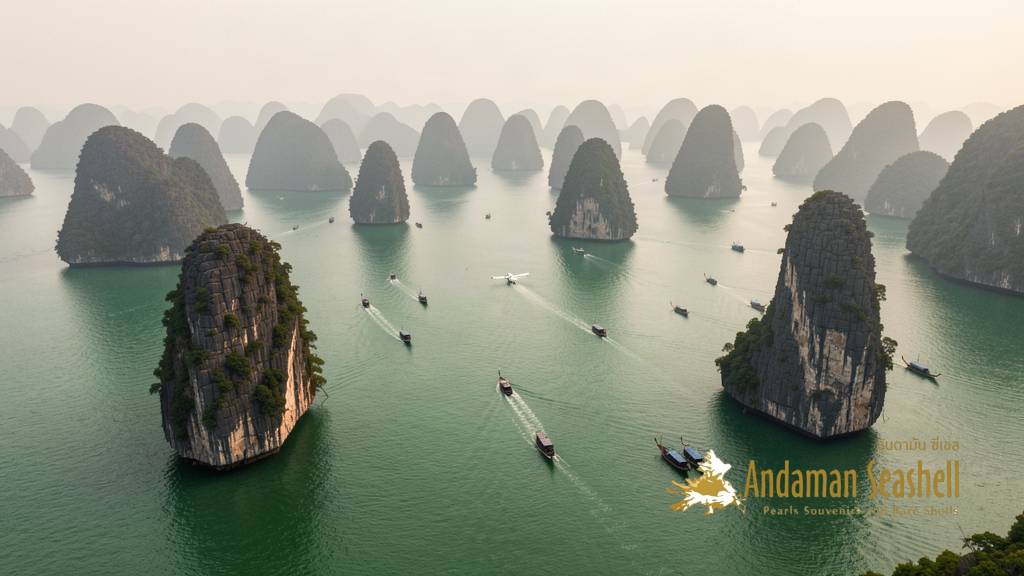
For a traveller on a tight schedule, the difference between 20 minutes and three hours each way is effectively a whole extra day by the sea. And the route itself is the attraction: flying directly over the limestone karsts of Phang Nga Bay, over the same waters where longtail boats thread between the towers, passengers will see the coast from an angle that until now belonged only to birds and postcards.
The initial network links three points — Phuket International Airport, Cape Panwa at the island’s southern tip, and Krabi International Airport — forming the core of what the operator calls the “Andaman loop.” [ref:1] Krabi has been selected as the country’s first pilot site for the service. [ref:2]
The numbers that make it real
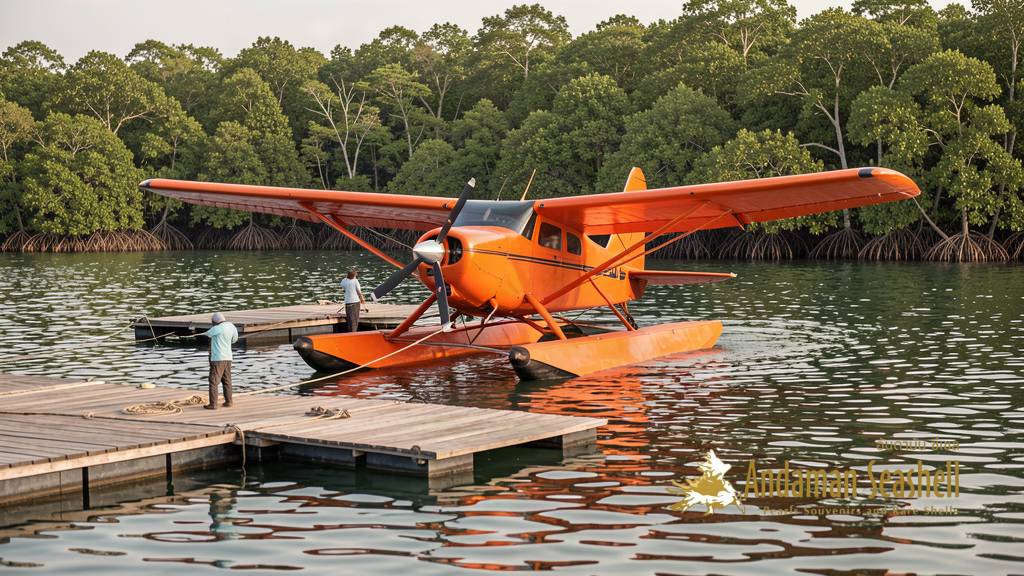
Thai Seaplane says any flight within the Andaman region will take no more than 90 minutes, and its one-way Phuket–Krabi fare is promised at no more than about 4,849 baht — under US$150 per seat. [ref:1] [ref:3] The company behind it has spent six years preparing, including pilot training in the United States and Germany, and has raised investment of around 300 million baht. Its first aircraft — an orange seaplane with the callsign “PP” — has already been imported, and docking facilities for passenger transfers are complete in Krabi. [ref:1] [ref:3]
Demand is expected to be strong from the start: the operator projects that foreign visitors will make up roughly 70% of passengers, with Thai travellers accounting for the remaining 30%. [ref:1] On the infrastructure side, the Initial Environmental Examination for the Phuket water aerodrome allows for up to 28 flights per day in 2026, rising to 42 by 2027–2030, operating roughly 06:00 to 19:00. [ref:3]
A growing map, drawn with care
The wider vision is an island network across the Andaman: planned routes include Phuket–Phi Phi, Krabi–Phi Phi, Phuket–Similan Islands, and Phuket–Koh Lipe. [ref:3] A second operator, Siam Seaplane, had three temporary landing sites approved in Krabi province on 21 May 2026, including one near Tubkaek Beach. [ref:3]
And the project is moving deliberately. Authorities have named the priorities directly: engine noise near sensitive areas, marine-resource impact, and shared use of the sea with local fishing communities and existing marine tours. Landing sites are temporary and approvals proceed step by step, so the final route map may yet evolve — some points approved, others deferred. [ref:3]
When can you fly?
The honest answer is: soon, but not tomorrow. “Before the end of 2026” is a ministry target rather than a confirmed departure date, and one operator is still awaiting environmental approvals. Season matters too: during the monsoon months (roughly May to October), open-water landings in the Andaman Sea become harder, so early routes will likely favour sheltered bays and the dry season. [ref:3]
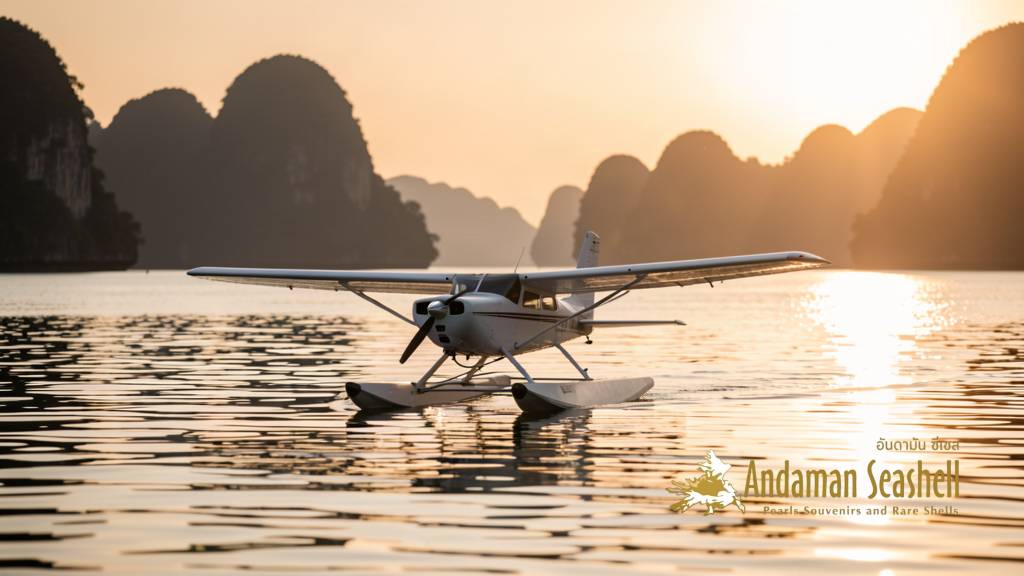
Until tickets go on sale, the best way to think of the seaplane is as the Andaman coast’s next great vantage point — arriving just in time for the high season. Watch the announcements, keep the ferry as a backup, and start dreaming about which window seat you’ll want: left side for Phang Nga Bay’s karsts, right side for the open sea.


No comments yet. Be the first to share a thought.