



Ao Tang Khen Bay has a lovely way of making learning feel easy. On 12 August 2026, this quiet Phuket shoreline near Cape Panwa becomes the setting for Dugong Festival 2026, a free community day built around film, art, shoreline care, and a closer look at one of the Andaman coast’s gentlest marine animals.[ref:1]
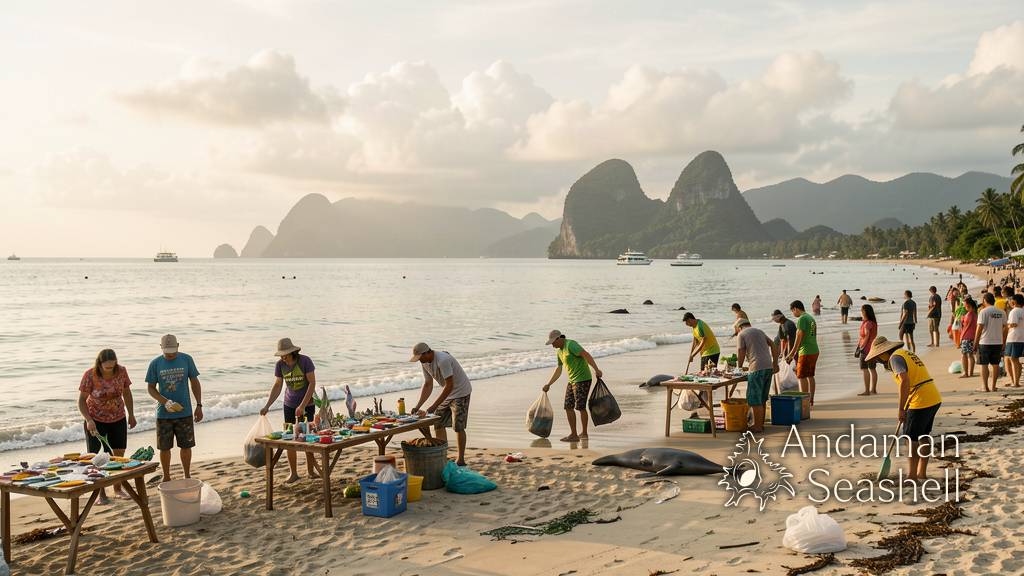
The Phuket stop is part of a three-location series that opened in Koh Samui on 1 August and closes in Bangkok on 16 August. Organisers describe it with a simple arc—“From the Sea to the City. From Awareness to Action”—and the programme matches that promise: a screening of Saving Thailand’s Last Dugongs, a talk with conservation communicator and citizen scientist Theerasak “Pop” Saksritawee, recycled-material art activities, a community beach clean-up, and a dugong sculpture project that travels through all three host destinations.[ref:1]
Why Ao Tang Khen matters
This is not a random beach for a marine event. Ao Tang Khen has become one of Phuket’s most meaningful dugong-watching and monitoring points. In a January 20-27, 2025 field survey led by WWF Foundation, WWF Thailand, and Thailand’s Department of Marine and Coastal Resources, experts assessed seagrass meadows and dugong activity across Trang, Krabi, Phang Nga, and Phuket. During that survey, the team briefly documented five dugongs by drone—an unusual sighting—and also observed dugong mating behaviour at Ao Tang Khen, a hopeful sign for Phuket’s recovering coastal habitat.[ref:2]
The bay also sits inside a much bigger Andaman story. Thailand was estimated to have 273 dugongs in 2022, with roughly 90% of them living along the Andaman Sea coast. Scientists and volunteers have been watching movement around Phuket more closely because some animals have shifted north from older feeding strongholds as seagrass conditions changed in other provinces.[ref:3][ref:4]
The creature at the center of the day
Dugongs are often called sea cows, but that nickname can make them sound ordinary. They are anything but. The species, Dugong dugon, is a strictly marine mammal with a dolphin-like tail, and global conservation bodies still classify it as vulnerable to extinction.[ref:3][ref:5] Dugongs are also serious seagrass grazers: a recent CMS summary notes that one animal can consume up to 30 kilograms of seagrass in a day.[ref:5]
That appetite is part of what makes them so fascinating. By feeding and moving through shallow meadows, dugongs help keep seagrass ecosystems active and productive. Those meadows matter far beyond one species. CMS notes that seagrass covers only about 0.2% of the ocean yet stores around 10% of oceanic carbon in seabed sediments.[ref:5] A festival about dugongs is therefore also a festival about fish nurseries, clearer coastal systems, and the quiet underwater landscapes that help a shoreline breathe.
Meeting Pop, the bay’s best-known watcher
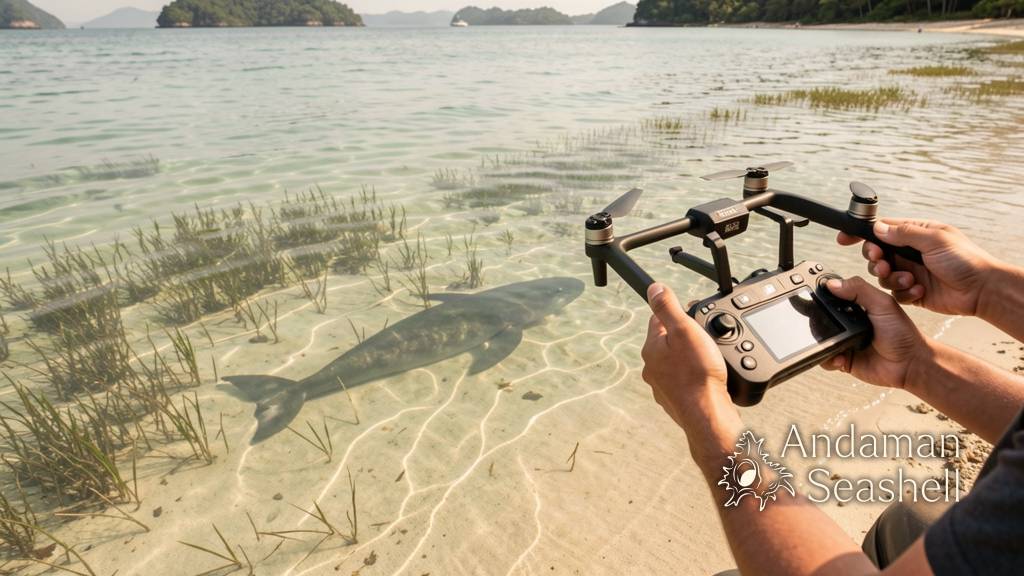
A big reason this Phuket programme feels personal is Theerasak “Pop” Saksritawee. Recent reporting by Nikkei Asia and the Guardian/Pulitzer Center project on Thailand’s dugongs shows how Pop has turned patient local observation into a form of public conservation. He has spent months returning to Tang Khen Bay, often using drones to monitor dugongs offshore, translating what he sees for wider audiences, and helping people understand that the story begins with seagrass, not spectacle.[ref:4]
That human bridge matters. A documentary screening can be moving, but a conversation with someone who knows the rhythms of one bay can make the science feel close enough to carry home. For families, students, and visitors, this may be the most attractive part of the event: not being lectured, but being invited into a real coastal relationship.
A practical, welcoming way to join in
The festival is free to attend, which gives it an especially open-hearted tone.[ref:1] You do not need a boat, diving gear, or specialist knowledge to take part. You can watch a film, join a beach clean-up, make art from reused materials, and leave with a clearer mental map of why Phuket’s shallow waters deserve such careful attention.
That practical warmth is what makes the day feel so well suited to Andaman life. It treats care for the sea as something communal, creative, and shareable. In a province where coastlines shape everyday memory, a festival like this turns marine science into something you can see with your own eyes: sand underfoot, volunteers on the shore, and a bay whose future depends on many small acts done together.
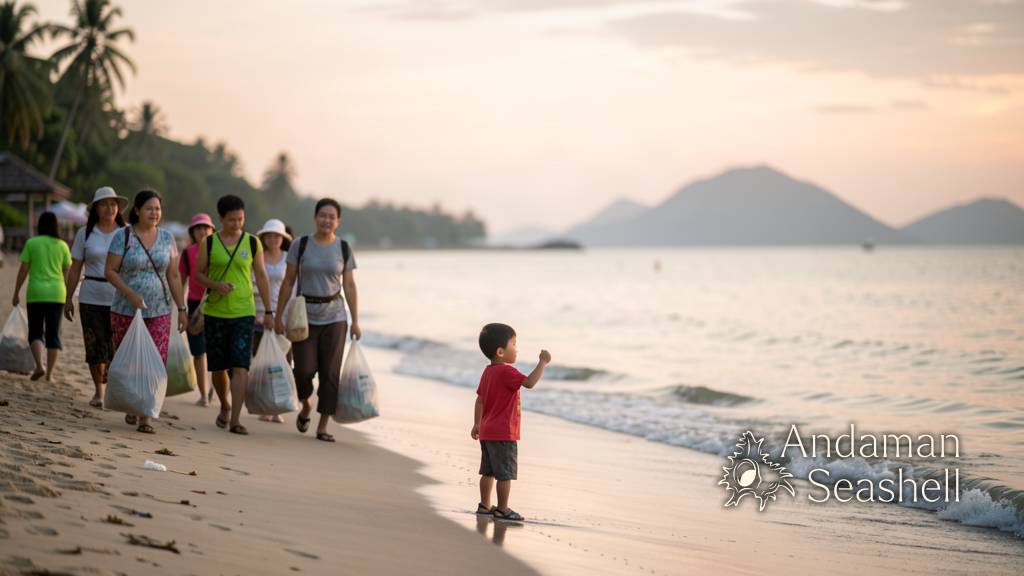
By the end of the afternoon, Ao Tang Khen is likely to have done what the best local events do. It will have introduced a big subject gently, given it a human face, and sent people home with one bright idea: caring for a dugong starts with caring for the water, the seagrass, and the shared shore right in front of us.[ref:1][ref:2]


No comments yet. Be the first to share a thought.