



At Thap Lamu pier, a boat captain can read the season before the engine starts: the softer light, the fuller clouds, the deeper green along the Phang Nga coast. This is the Andaman calendar doing what it has always done—guiding good travel with rhythm, care, and a little patience.
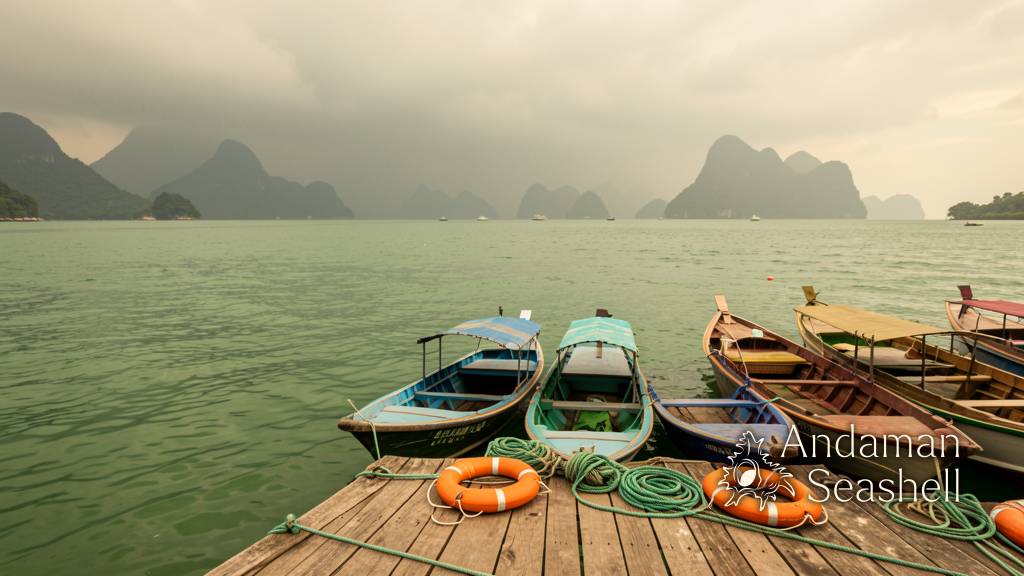
For 2026, that rhythm has a clear date. Mu Ko Similan National Park and Mu Ko Surin National Park announced their annual tourism and overnight-stay pause from 15 May to 15 October 2026, a five-month green-season interval reported by Nation Thailand on 26 May 2026 [ref:1]. It is a useful note for travellers: not a cancelled dream, but an invitation to plan the islands at their best time.
The calendar is part of the experience
The two marine national parks sit in Phang Nga province, but they teach a travel lesson that every Andaman visitor can use: place matters, season matters, and a thoughtful plan often feels better than a rushed one. The Department of National Parks, Wildlife and Plant Conservation order covers both tourism visits and overnight accommodation during the pause, while park officials use the period to improve utilities and facilities before the October season returns [ref:1].
That makes the date range practical. If Similan or Surin is on your wish list, think of October onward as planning season, with local operators, weather, sea conditions, and park rules all checked close to departure. If you are already in Phang Nga during the green season, the coast still has plenty to offer: cafés in Khao Lak, shell and pearl keepsakes, old market walks, waterfall mornings, mangrove views, and gentle local food days when the rain has just polished the leaves.
Why Similan feels so special
Mu Ko Similan National Park is wonderfully specific. TAT notes that “Similan” comes from a Yawi or Malay word meaning nine, a nod to the original nine-island group. The park was declared on 1 September 1982, lies around 70 kilometres from Thap Lamu pier, and boat travel to Ko Miang is listed at about 1.5 hours by speedboat [ref:2].
The geography is part of the magic. TAT describes the Similan area as 87,500 rai, or 140 square kilometres, with 65-million-year-old granite boulder formations and a peak reaching 233 metres above sea level. The famous sail-shaped rock, Hin Ruea Bai, has become a visual symbol of the archipelago [ref:2]. Even the visitor system carries a lesson in care: the park lists limits of 3,850 visitors per day and 525 scuba divers, while Ko Tachai has remained closed since 2018 to allow its ecosystem to recover [ref:2].
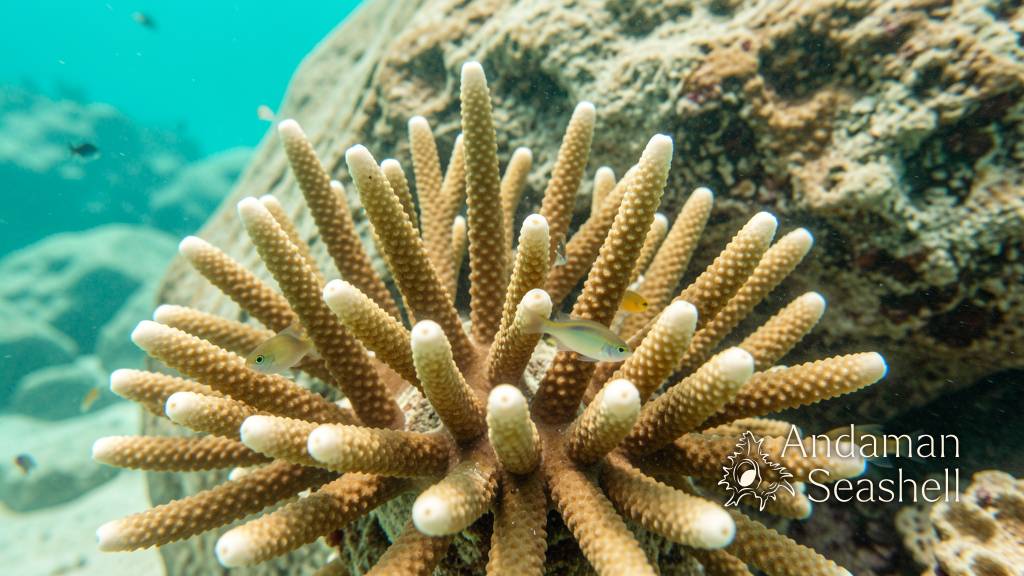
The latest season also shows how loved the islands are. Siriwat Suebsai, chief of Mu Ko Similan National Park, said the Similan Islands generated more than 215 million baht in tourism revenue in 2026, up from 197 million baht in 2025, with more than 400,000 visitors and over 90% coming from overseas [ref:1]. Those numbers are not just tourism statistics; they are a reminder that beautiful places need good systems, patient timing, and visitors who understand the rules.
Surin adds the shallow-reef chapter
Surin’s beauty has a different personality. The ASEAN Centre for Biodiversity describes Mu Ko Surin as popular for shallow reef, while Mu Ko Similan is known for scuba diving and Ao Phang-Nga for mangroves and karst topography [ref:3]. In the same ASEAN Heritage Park grouping, Mu Ko Surin covers about 141.25 square kilometres and Mu Ko Similan about 140 square kilometres; the heritage park designation was declared on 18 December 2003 [ref:3].
That shared protected landscape is alive with detail: white-bellied sea eagles, Brahminy kites, hornbills, sunbirds, whales, whale sharks, hawksbill turtles, Olive Ridley turtles, green sea turtles, and the beach thick-knee, which ASEAN notes is found in Thailand just about only at Mu Ko Surin [ref:3]. These are the kinds of facts that make the green-season pause feel meaningful. When the islands rest, the story is still moving—just below the surface, in reef gardens, forest edges, and ranger routines.
How to plan with Andaman grace
A smart traveller treats the pause as a design brief. First, place Similan and Surin in the October-to-May half of your calendar, then verify current park announcements before booking. Second, keep green-season Phang Nga gentle: choose local markets, craft shops, shell learning, cafés, viewpoints, temples, mangroves, and food days that do not depend on exposed open-sea crossings. Third, buy keepsakes with a story—pearl pieces, shell-inspired craft, or small handmade gifts that remind you of the coast without needing to take anything from protected beaches.
That is the joy of travelling here: the Andaman Sea does not ask us to hurry. It gives us dates, tides, boats, reefs, rain, and returns. Read the calendar well, and the next island day feels even brighter.


No comments yet. Be the first to share a thought.