



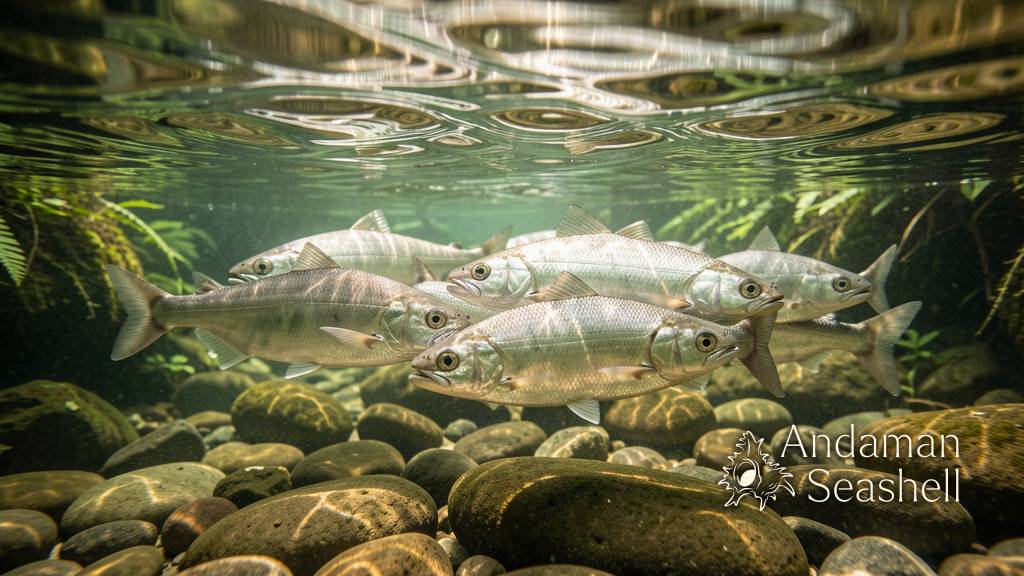
Stand at the edge of the pool below Song Phraek Waterfall this month, and the first thing you notice may not be the falling water at all — it is the fish. Schools of pla phluang, a sleek freshwater fish that lives only in clean forest streams, hang in the clear water in shimmering formation, close enough to count. On 1 October, Phang Nga Provincial Administrative Organisation council member Kriangsak Boonnaburee formally invited residents and visitors to come and see them for themselves — and the timing could hardly be better [ref:1]. October is also the month this quiet corner of Ton Pariwat Wildlife Sanctuary puts on its rarest show.
A waterfall that starts almost at the front gate
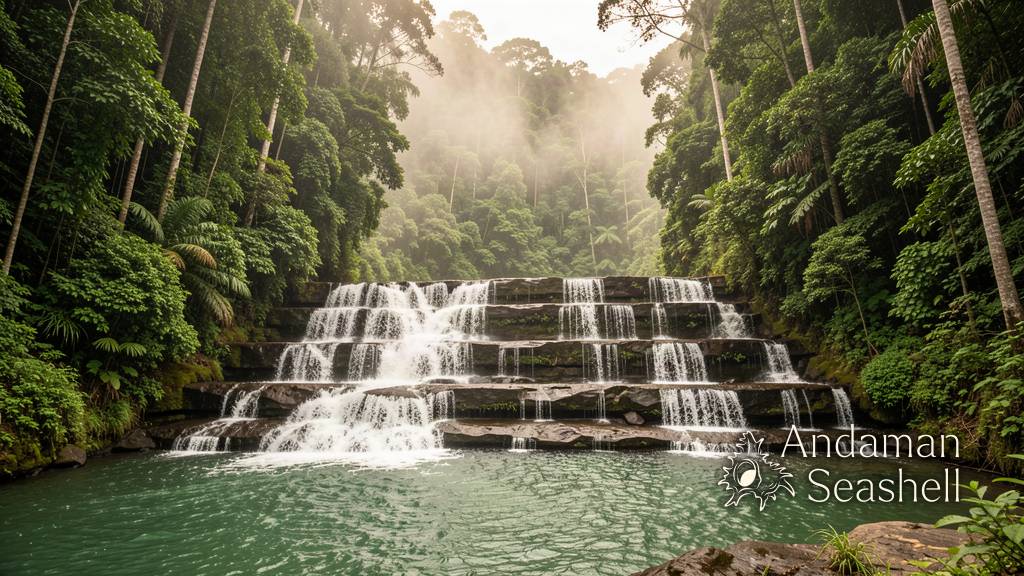
Song Phraek — known on the maps as Namtok Ton Pariwat — is refreshingly undemanding. The cascade lies roughly 100 metres from the sanctuary headquarters in Mueang Phang Nga district, a low, wide run of water over natural rock shelves rather than a dramatic plunge [ref:2]. Below it, a sequence of pools forms where visitors relax, wade and, when water levels are kind, take a cooling swim. Look closely at the pond bed and you may spot traces of old ore deposits — quiet reminders that this valley was once mining country before the forest reclaimed it.
In the green season the stream gushes; by late rains it settles into its gentlest, most inviting rhythm. And the sanctuary around it is no pocket park: Ton Pariwat protects about 100,000 rai of shaded forest on the hills at the southern end of the Phuket mountain range [ref:3].
A pool with permanent residents
The pla phluang are the giveaway that this water is genuinely healthy. These are fish that favour clear, undisturbed forest streams, and their large, unhurried schools around the waterfall are the clearest possible signal of a living ecosystem [ref:1]. Look up between fish-watching and you are in rewarding wildlife country: the sanctuary is a known home of the blue-banded kingfisher (Alcedo euryzona), and white-handed gibbons call from the canopy [ref:4].
Botanists have a name for why this forest feels so rich: Ton Pariwat sits in the transition zone between the northern Indochinese and southern Sundaland biogeographic regions, so plants and animals from two great natural worlds meet and overlap here [ref:4].
The flower the size of a bicycle wheel
Then there is the October headline. The sanctuary's 2-kilometre nature trail — an easy hour's walk with a guide — passes patches of bua phut, the Rafflesia kerrii, a flower that can span roughly 80 centimetres, about the diameter of a bicycle wheel [ref:2]. It is a true parasite: no leaves, no stem of its own, living hidden on the roots of a forest vine known locally as yan kai tom until, at the end of the rainy season around October, it erupts from the forest floor as five thick reddish-brown petals. The bloom does not last long — which is exactly why rangers and local guides track it, and why an October walk here carries a small lottery-ticket thrill. The same trail passes traces of old mines and quiet bird-watching spots along the stream [ref:2].
The tree that waited for a name
The Rafflesia is not the sanctuary's only botanical celebrity. In 2014, an international team of botanists formally described Lithocarpus orbicarpus, a species of stone oak known to science from nowhere else on Earth but Ton Pariwat — and their first survey found a single individual tree, its spherical, scale-covered acorns unlike any other relative in a family of more than 300 described species [ref:4]. Walk the trail and you will almost certainly pass it without knowing. That, honestly, is the charm: this is a forest still keeping its own inventory.
Making the trip
Getting there is half the pleasure. From Phang Nga town, follow Highway No. 4 for about 5 kilometres, turn right at Ban Song Phraek, and continue roughly 10 kilometres into the sanctuary [ref:3]. Long-distance buses from Bangkok terminate at the Phang Nga bus terminal, and the sanctuary can arrange a transfer by appointment. Plan a slow half-day: waterfall and pools first, the nature trail with a guide second, and — for the energetic — a roughly 45-minute rafting run on the stream, available year-round [ref:2]. Two bungalows host overnighters, and campers are welcome to bring their own tents [ref:2].
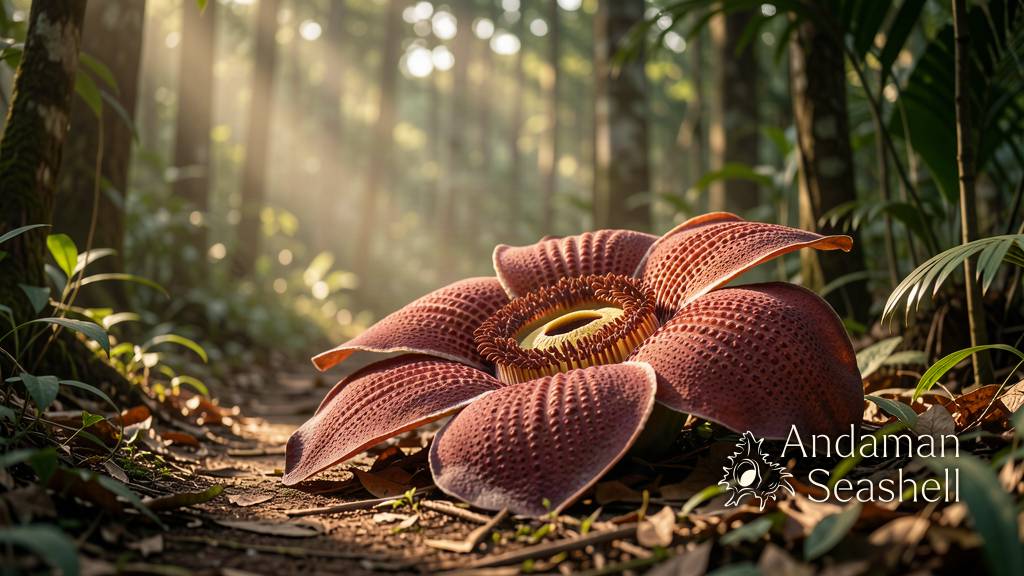
Go in the next few weeks and you catch the valley at its most generous: water still full from the rains, fish in the pools, a kingfisher possible on any branch, and — if the season smiles — the largest flower of your life opening quietly at the trail's edge. Take only photographs, leave only footprints, and let the pla phluang get back to their formations.


No comments yet. Be the first to share a thought.