



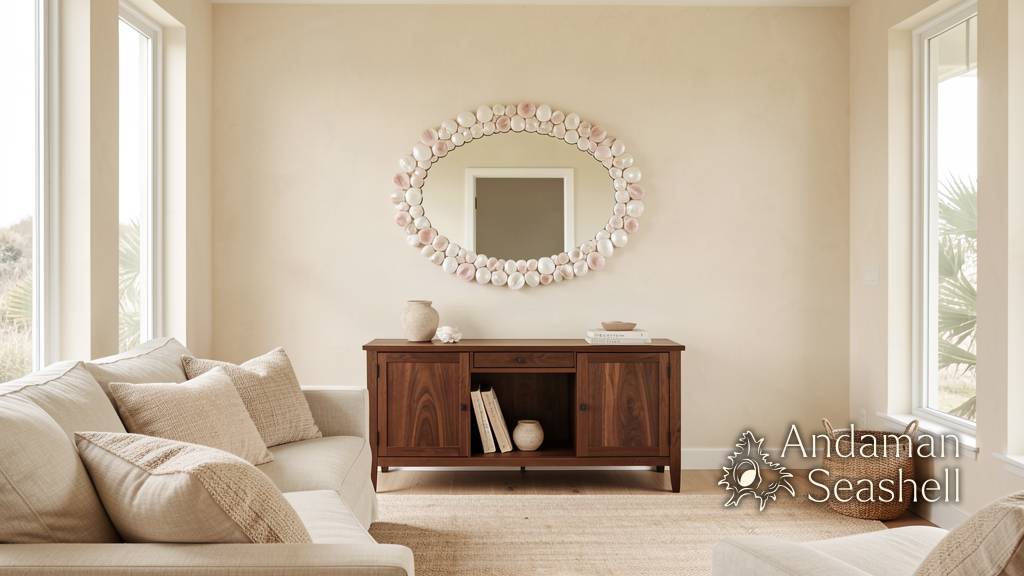
Step into a certain kind of room in 2026 and you notice it immediately: a mirror whose frame is a constellation of iridescent oyster shells, catching the afternoon light like low tide caught mid-sparkle. Nobody glued those shells on in a hurry. Each one was chosen, turned, and placed by hand — and the world's top interior designers have decided that this, not the anchor-print cushion, is the chicest way to bring the sea home.
What Exactly Is Coquillage?
The word is simply French for "seashell" — but in the design world, coquillage is the art of decorating with real shells and shell forms, whether as literal as a mirror framed in oyster shells or as subtle as a scallop carved into a cabinet door [ref:1]. Shells have been used ornamentally for centuries, and the look became especially prominent in European decorative arts, where nature's curves and elaborate detail were celebrated. Over generations, shellwork found its way into garden grottos, mirrors, furniture, and small handmade objects [ref:1].
This year, that old craft is having a very loud moment in very quiet rooms. House Beautiful reports that designers are moving away from obvious "beachy" clichés — the rope-everything, the nautical stripes, the themed blue-and-white rooms — toward work rooted in craftsmanship and context [ref:2]. Elle Decor went further, naming "Elevated Shell Art" one of its six coastal design trends of 2026 [ref:3].
Designers Who Are Making It Sing
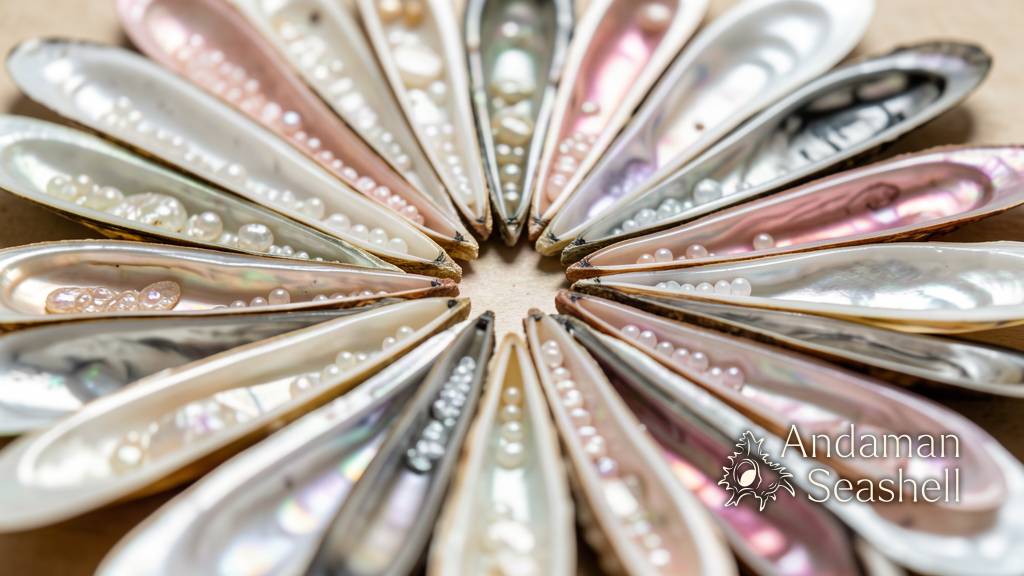
Interior designer Jennifer Mabley of Mabley Handler is one of the form's most passionate champions, creating shell-encrusted mirrors, chandeliers, and even large-scale installations applied directly to walls. Her observation about colour is the whole philosophy in one line: the coquillage palette is limited to what nature can provide — but within it you can swing from monotone white, cream, and soft shell pink all the way to vibrant magenta, green, and purple [ref:2].
The look has escaped the beach house entirely. The Ralph Lauren store in Palm Beach features a fireplace overflowing with coral and shells, and the Tuckernuck store in Nantucket is styled as one big sailor's valentine [ref:1]. Designers point to independent artists and a genuine craft revival — people making their own seashell art at home — as the movement's engine [ref:1].
How to Do It Without Overdoing It
The difference between treasure and clutter, say the designers, is restraint. Danielle Balanis puts it plainly: bring "discipline in your color palette and editing choices" and shell art becomes refined rather than thematic [ref:3]. A few principles the professionals keep returning to:
- Let one piece lead. A single shell-framed mirror or lamp base makes a statement; ten small ones make a stall.
- Borrow nature's palette. White, cream, and shell pink for calm corners; magenta, green, and purple when you want the room to hum [ref:2].
- Pair shells with richer wood. Designers are moving away from bleached, cerused woods toward deeper stains and pronounced grain, which ground the light iridescence of shell [ref:2].
- Honour the maker. Cece Bowman of Cece Bowman Interiors points to handmade shell panels by Lulu DK and Decwood's rope molding as pieces that feel bespoke and architectural rather than mass-produced [ref:2].
A Craft the Sea Has Always Known
Here at Andaman Seashell, watching coquillage go global feels less like a trend report and more like a homecoming. The Gulf of Thailand and the Andaman coast have their own centuries-deep shell traditions — from mother-of-pearl inlay that once glowed on temple doors to the shell mosaics still set by hand in workshops along our coast. When a designer in Palm Beach shells a fireplace, she is joining a conversation that artisans on our side of the ocean never stopped having.
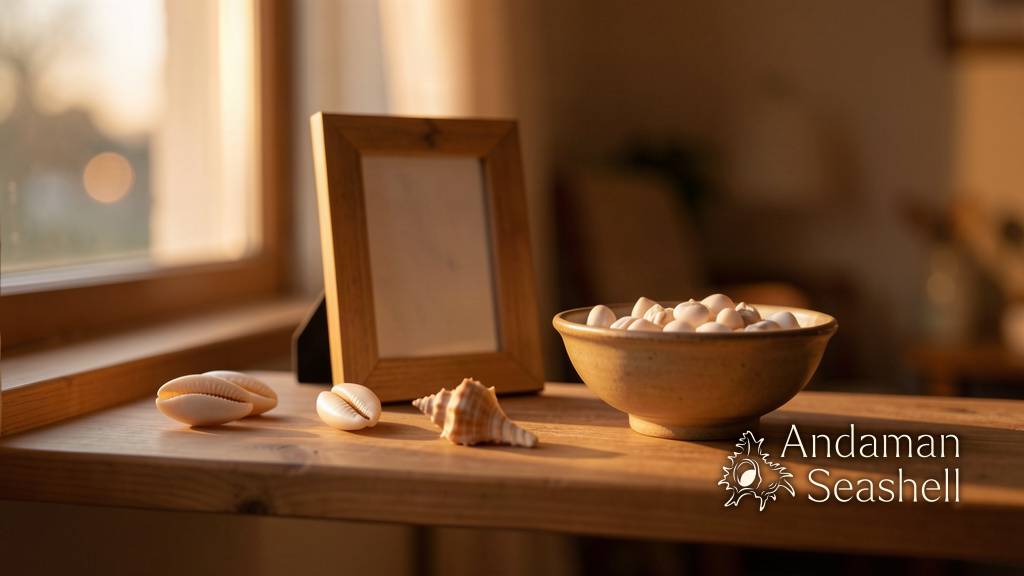
The best part is where the trend ends up: not in themed rooms that shout, but in homes that hold one beautiful, patiently made object — and let the sea do the talking. Start with a single mirror, a bowl of cowries you actually picked, a frame you shell yourself on a slow afternoon. The sea has been arranging these colours for millions of years. All you have to do is place them.


No comments yet. Be the first to share a thought.