



A Phuket seafood stall can tell you a lot about a place before anyone says a word. On July 31, in front of Chalong Municipality, bright shells, crushed ice, grilled aromas, and rows of community booths came together for the launch of Phuket Lobster Festival 2026, opening a month-long celebration that runs from August 1 to August 31 under the theme “From GI to Global Gastronomy.” More than 140 food, seafood, and local-product vendors joined the launch, giving the event the feeling of an island-wide table set in advance for August [ref:1].
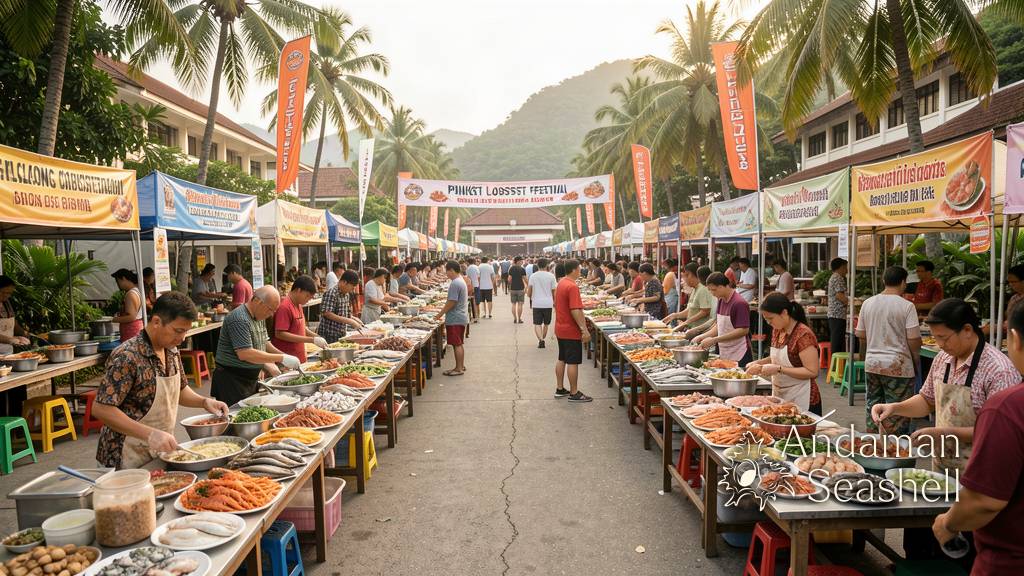
What makes this story especially lovely is that the festival is not only about eating well. It is also about identity. Phuket’s seven-colour lobster became one of the Andaman coast’s newest registered GI products in January 2026, a designation that protects origin and helps explain why this ingredient matters to the place it comes from [ref:2]. In other words, the festival is celebrating a real local signature, not inventing one for a season.
Why this lobster stands out
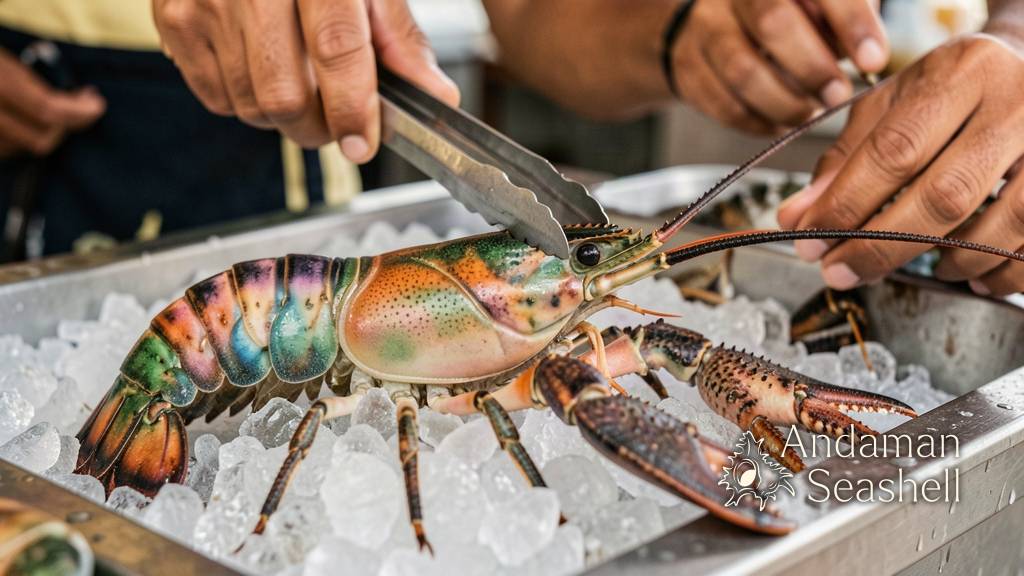
According to reporting on the GI push, Phuket’s seven-colour lobster is known for a body weight that can range from 0.5 to 4.5 kilogrammes and for a shell that shows at least seven colours—including green, orange, blue, purple, pink, cream, and black [ref:2]. Those are wonderfully concrete details, but they are not the only reason it has become such a strong symbol. Nation Thailand reports that officials see the lobster as one of the Andaman Sea’s high-potential GI products, with quality control and origin-verification at the center of the next phase of development [ref:2].
That longer story matters because Phuket is not treating the lobster as a passing social-media trend. The Department of Intellectual Property said in March that the annual August festival is part of a larger effort to add value through tourism promotion and to help food lovers discover dishes made from GI ingredients [ref:2]. Earlier government communication also highlighted the product as a new GI success from Phuket and noted that it had already appeared on the table during APEC 2022, showing how local seafood can travel from the Andaman coast to a national stage [ref:3].
How the festival spreads across the island
This year’s festival has a practical scale that makes it feel accessible rather than ceremonial. The month-long programme includes a Hotel & Restaurant Showcase with 13 leading restaurants, promotional activity involving more than 122 restaurants across Phuket, exhibitions focused on GI products, and networking events for food, hotel, and tourism businesses [ref:1]. Read another way, August becomes a map: one ingredient, many kitchens, and plenty of chances for residents and visitors to taste how local cooks interpret the same seafood differently.
There is also a clear community-development framework behind the scenes. At the launch, seven organisations signed an MOU to develop and promote the Phuket Lobster brand and its mascot, “Nong Jung” [ref:1]. The signatories included the Phuket Provincial Community Development Office, Provincial Commerce Office, Provincial Fisheries Office, Chalong Municipality, Phuket Rajabhat University, the Phuket Tourism Business Association, and Ru Rak Samakkee Phuket Social Enterprise [ref:1]. That mix of public offices, education, and community enterprise makes the festival feel more rooted than a simple dining campaign.
Governor Chotinrin Kerdsom said the collaboration would focus on branding, tourism promotion, education, and intellectual-property management to create long-term economic benefits for local communities [ref:1]. The numbers attached to that ambition are substantial: the event is expected to welcome more than 30,000 visitors, tourists, and entrepreneurs, while related spending is projected to contribute at least 200 million baht to Phuket’s economy [ref:1]. For a coastal province that often tells its story through beaches alone, that is a refreshing reminder that local ingredients and local know-how can carry the spotlight too.
A warmer kind of food news
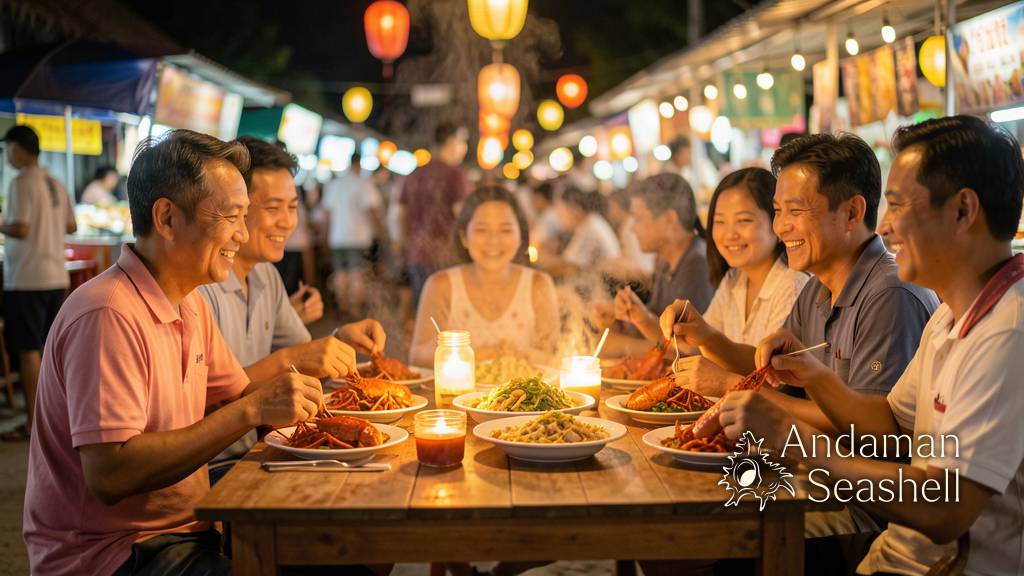
The best part of this festival may be its tone. Phuket Lobster Festival 2026 is not asking people to admire a product from a distance. It is asking them to walk, browse, taste, compare, and share. A GI label protects origin; a festival gives that origin a human rhythm. You can feel it in the mix of vendors, community products, restaurant menus, and educational work around quality and provenance.
By the time August closes, Phuket will have spent a full month telling one of its most appealing stories in the language of dinner: the sea, carefully named; the ingredient, clearly rooted; and the community, very much present at the table. That is the kind of coastal celebration that lingers pleasantly long after the plates are cleared [ref:1][ref:2].


No comments yet. Be the first to share a thought.