



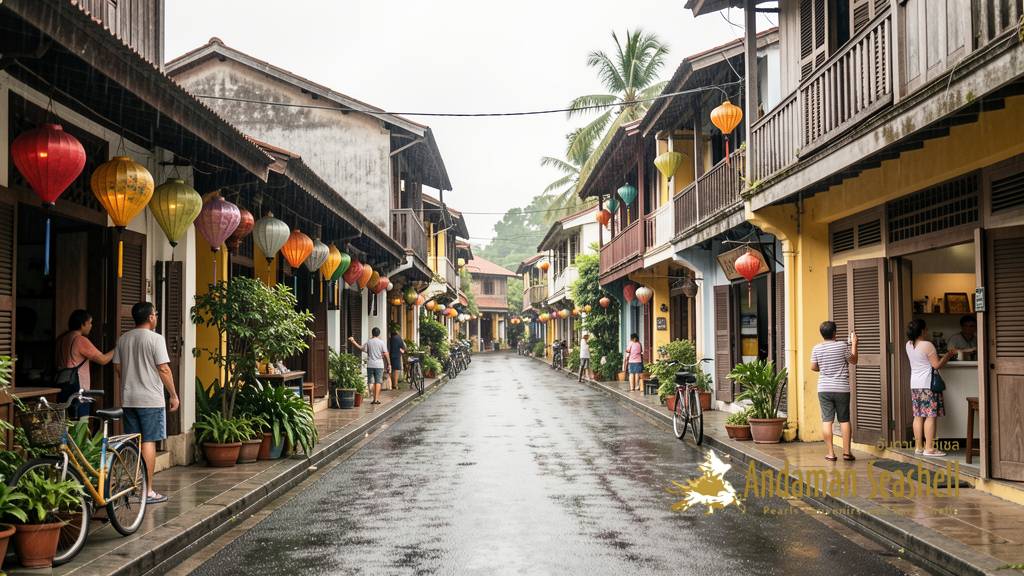
A fresh rain has just passed over Sri Takua Pa Road, and the old shophouses seem to glow a little brighter. In Takua Pa Old Town, that is often the magic: heritage here does not sit behind glass. It opens its café doors, sets out sweets, and welcomes an evening walk through a neighborhood whose past is still visible in every façade [ref:4].
In 2026, that living warmth earned international recognition. Bangkok Post reported that Takua Pa Old Town in Phang Nga received the Bronze Award at the Green Destinations Awards 2026, presented at ITB Berlin, and noted that it became the first destination in Thailand to be recognised at that level [ref:2]. TAT later confirmed that the destination was recognised under the Green Destinations Awards and Certification Programme, based on independent assessment and internationally recognised sustainability standards [ref:3].
A heritage town that still feels active
The official Tourism Authority of Thailand attraction page describes Takua Pa Old Town as an art, culture, heritage, and architecture destination in Takua Pa district, Phang Nga, where traces of older trade routes still shape the street experience [ref:4]. In the past, the area drew foreign traders, especially Chinese settlers who established mineral and tin mines and built homes in town [ref:4]. That history helps explain why the old quarter still feels layered rather than staged.
TAT’s description is unusually specific, and that specificity is part of the charm. The historic core stretches across five main roads: Thanon Sri Takua Pa, Thanon Udom Tara, Thanon Klan Kaew, Thanon Montri 2, and Thanon Na Mueang [ref:4]. Walk them slowly and the town reads like a compact open-air archive of Sino-European architecture, wooden shutters, old plaster walls, and everyday shopfront life.
From mining town to community destination
What exactly did the award celebrate? Bangkok Post gave the official story title: “Takua Pa Old Town: From a Mining Town to a Sustainable Historical and Cultural Tourism Destination” [ref:2]. That phrase matters because it frames the town not only as a beautiful old place, but as a place that has learned how to carry its memory forward.
TAT’s March report positioned Takua Pa Old Town alongside other Thai destinations recognised on the global stage at ITB Berlin 2026, while Nation Thailand’s June tourism roundup highlighted Takua Pa Old Town specifically for combining conservation with community ways of life [ref:3][ref:1]. That is a very Andaman kind of success story. It suggests that restoration works best when old buildings, local routines, and visitor curiosity can all share the same street.
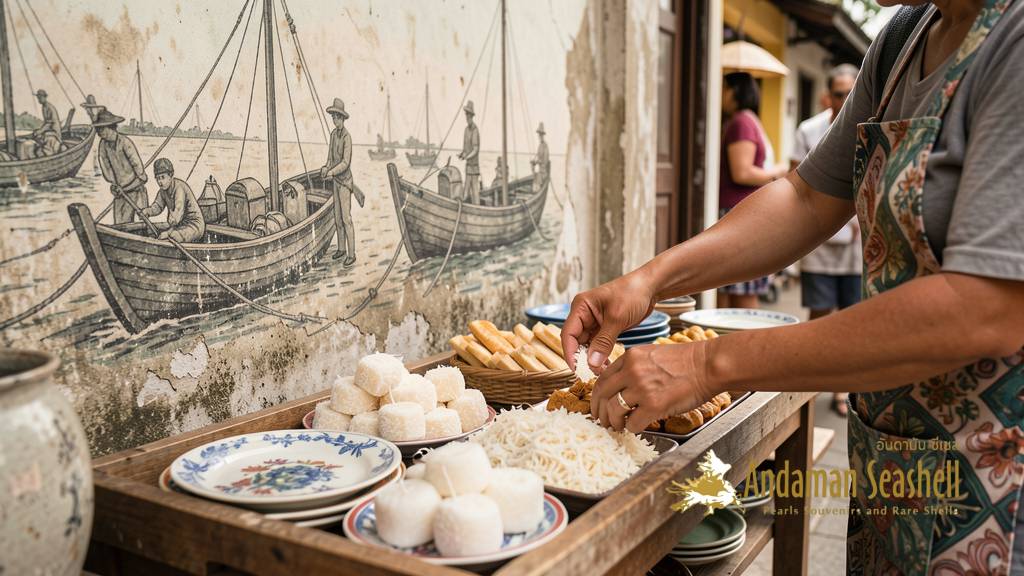
The tourism page adds more human texture. What were once homes and trading buildings now include cafés and shops, and many walls carry street art that tells pieces of the town’s story [ref:4]. Instead of feeling frozen in one historical era, the quarter feels adapted—still proud of its tin-era memory, but comfortable with coffee cups, conversations, and slow browsing.
The Sunday rhythm that brings it together
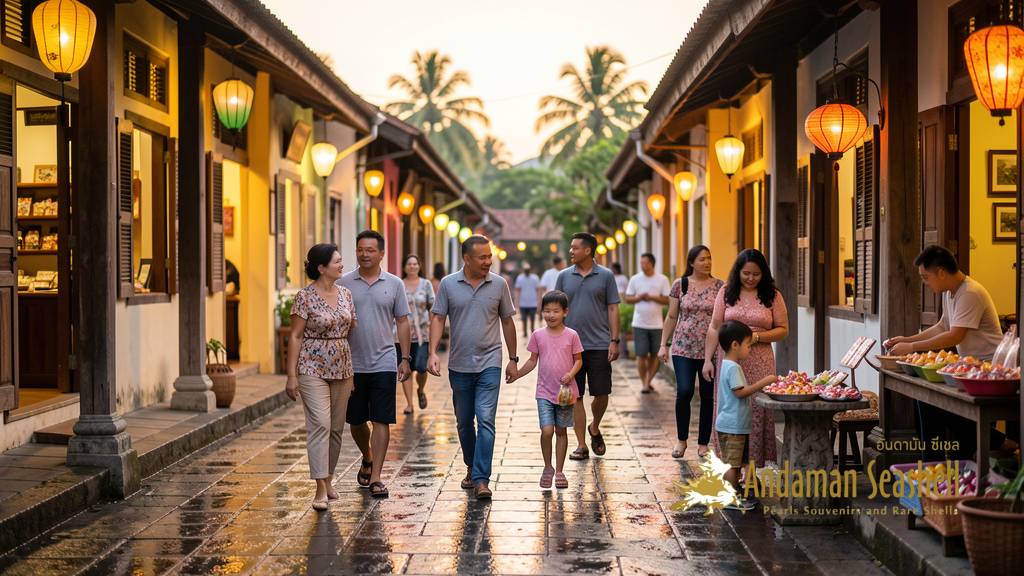
One of the loveliest practical details is also the easiest for visitors to imagine. Every Sunday evening, Sri Takua Pa Road becomes a walking street lined with local food, sweets, and snacks [ref:4]. That weekly transformation turns heritage into something participatory. You are not only looking at preserved architecture; you are moving through a local rhythm that still belongs to residents.
For readers planning a future stop in Phang Nga, that detail changes the mental picture of the town. Takua Pa Old Town is not just a daytime photo walk. It is a place where history, snack culture, and neighborhood sociability meet in the same small stretch of road. The award helps explain why that experience feels coherent: sustainable tourism is often strongest when the everyday life of the place remains visible [ref:3].
Why this recognition feels joyful
Nation Thailand’s broader June roundup placed Takua Pa Old Town among several Thai destinations receiving global attention in 2025-2026 [ref:1]. Yet Takua Pa’s appeal feels especially intimate. It is not about scale. It is about proportion: old streets you can actually walk, details you can notice at human speed, and a local identity that remains legible in architecture, food, and routine.
That makes the recognition feel less like a medal pinned onto a map and more like a gentle invitation. If you visit, notice the five-road layout. Look up at the Sino-European façades. Stay for the Sunday market if your timing is right. And enjoy the rare pleasure of a heritage quarter that still feels lived in, cheerful, and fully part of present-day Phang Nga [ref:4][ref:2].


No comments yet. Be the first to share a thought.