



A boat rope lay in a neat orange coil at a Phang Nga pier, still smelling faintly of salt, while travellers swapped stories about blue water, granite boulders, and the clear shallow bays of the Similan Islands.
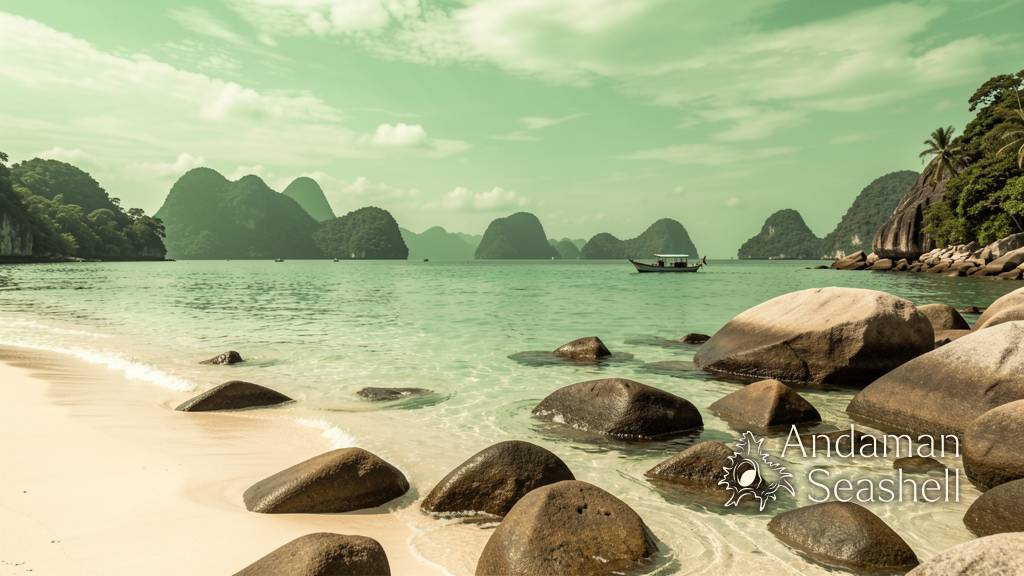
That happy afterglow now has a number attached to it: regional reporting says Similan Islands National Park generated more than 215 million baht during its 2026 tourism season before beginning its annual monsoon-season rest [ref:1]. Another local travel report, citing park chief Sirivat Suebsai, said the islands welcomed more than 400,000 visitors from November to May, with international travellers making up more than 90 percent of the total [ref:2].
The loveliest part of the story is not only that people came. It is that the islands follow a seasonal rhythm. After the busy months, Similan National Park observes its long-running closure period from May 16 to October 14, while Phang Nga’s Similan and Surin marine parks are generally described as pausing tourism and overnight stays for about five months through the monsoon season [ref:2]. For travellers, that makes the Andaman calendar easier to read. For the islands, it is time to breathe.
Why a pause can feel like good travel news
The Similans are famous for a very specific kind of beauty: powder-pale beaches, polished granite boulders, clear water, and the feeling that the sea has turned itself into glass. A place like that is best enjoyed with patience. The annual closure gives park teams time for maintenance, safety preparation, and conservation work, while also aligning with the rougher Andaman monsoon months [ref:2].
For visitors, this is practical optimism. If your dream is snorkelling, island viewpoints, or a boat day from Khao Lak or Phuket, the message is simple: plan around the open season, check official updates before booking, and treat the closed months as planning months rather than missed opportunity.
It also spreads attention across the coast. During the marine park pause, other parts of Phang Nga remain rewarding: old-town cafés, local markets, mangrove channels, shell craft browsing, rainy-season viewpoints, and gentle inland day trips. The Andaman does not stop being beautiful when one island group rests. It simply changes tempo.
The number behind the feeling
More than 215 million baht in reported season revenue is a reminder that marine parks support a broad coastal web: boat crews, guides, pier staff, small restaurants, transfer drivers, equipment teams, and family-run travel desks [ref:1]. When visitors choose well-run trips and respect seasonal rules, that value can move through the community with a softer footprint.
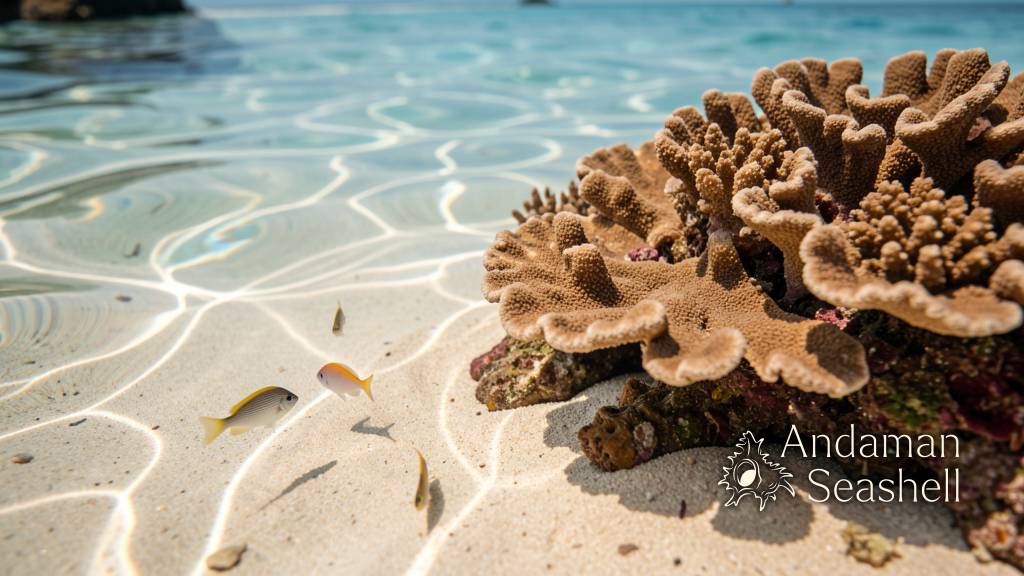
The same reports noted that revenue rose above the previous year’s 197 million baht, even as visitor numbers slipped slightly [ref:2]. That detail is interesting because it suggests the season was not simply about “more people.” It was about how travel value is shaped: by international demand, careful park management, and the premium visitors place on a well-protected nature experience.
For Andaman Seashell readers, this connects naturally to souvenir culture. The most meaningful keepsakes come from places we are glad to protect: a polished shell pattern that reminds you of reef geometry, a small handmade object from a local vendor, a postcard chosen after a boat ride. Good travel leaves you with a story, not just a receipt.
How to plan kindly for the next opening
A thoughtful Similan plan starts before the boat. Keep these simple habits in mind:
- Check current park dates and operator updates close to travel time.
- Choose licensed operators who explain safety and park rules clearly.
- Pack reef-friendly basics: hat, refillable water bottle, secure dry bag, and no loose plastic.
- Let wildlife and coral stay exactly where they are.
- Build in an inland Phang Nga day, especially if weather asks for flexibility.
None of this makes the trip less fun. It makes the fun last longer. The best Andaman days often come from small acts of care: stepping lightly on a pier, listening to a guide, bringing home only photographs and thoughtfully chosen souvenirs.
A green-season invitation
By October, when the regular opening window returns, many travellers will already have a better plan: where to stay, which boat style suits them, what to pack, and how to pair a Similan day with Phang Nga’s quieter pleasures.
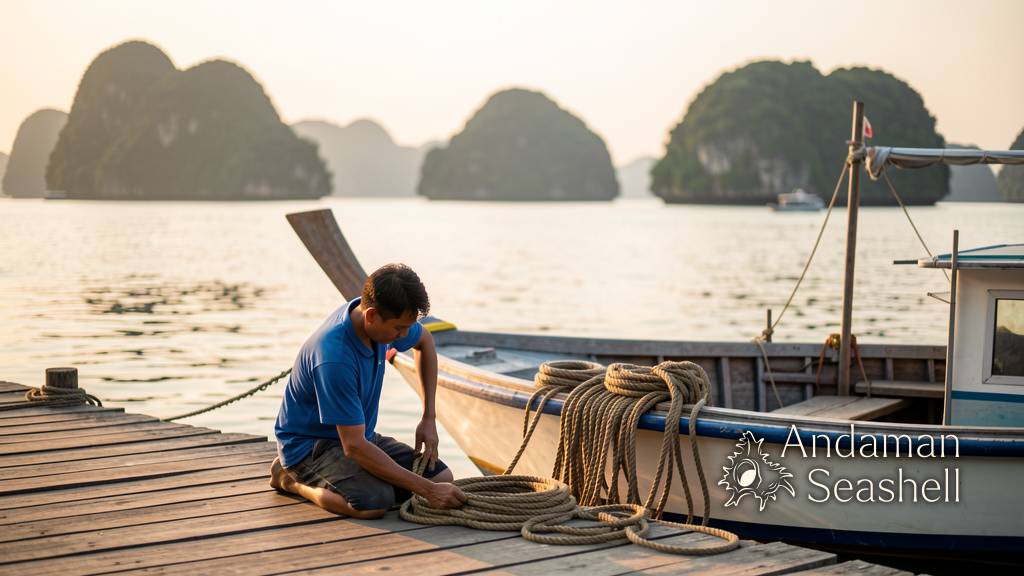
For now, the image to keep is simple and bright: a boat crew member coiling rope in warm light, the islands resting beyond the horizon, and the sea preparing its next welcome. The Similans are not disappearing from the travel dream. They are keeping time with the monsoon — and that rhythm is part of their charm.


No comments yet. Be the first to share a thought.