



A bright blue dugong is about to become one of Phuket’s friendliest hosts. On Wednesday, 12 August 2026, Ao Tang Khen Bay near Cape Panwa will welcome Dugong Festival 2026: From the Sea to the City, a free community event that mixes art, film, conversation, and a hands-on beach clean-up into one easy day by the water.[ref:1]
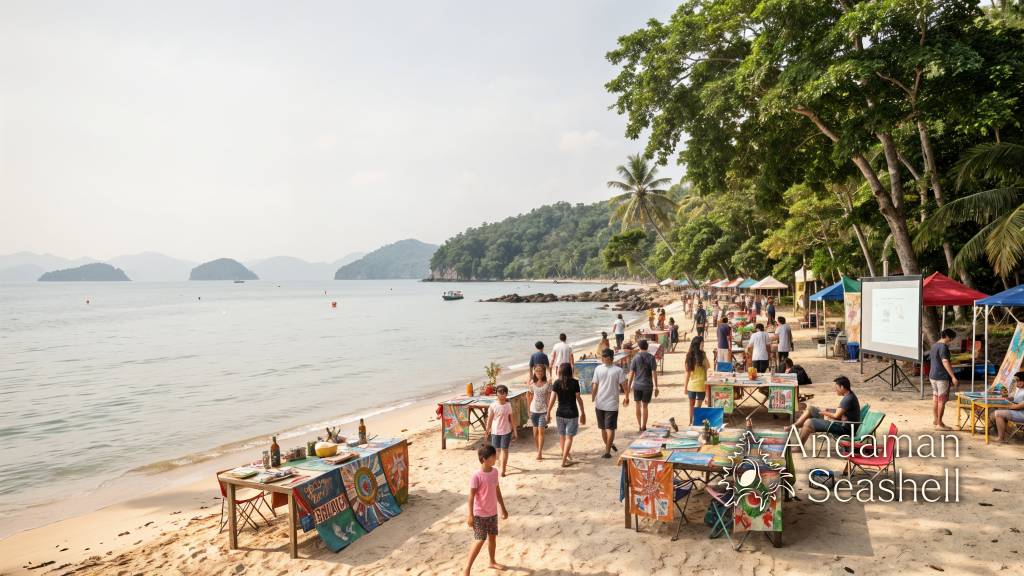
What makes this event especially lovely is its shape. Instead of asking people to care in abstract ways, the festival invites them to watch a documentary, meet a field communicator, make art from recycled materials, and join a shoreline activity together. It is conservation translated into something social, creative, and very Phuket.[ref:1]
A small bay, a big invitation
The Phuket stop is part of a three-location series that opened in Koh Samui on 1 August and will conclude in Bangkok on 16 August.[ref:1] That gives the event a traveling, festival-like rhythm, but the Phuket chapter feels rooted in place. Ao Tang Khen Bay offers exactly the right setting: sea in front, community beside it, and enough openness for families, students, and curious visitors to move naturally between activities.
Organisers describe the programme with a clear motto: “From the Sea to the City. From Awareness to Action.” In practice, that means a screening of Saving Thailand’s Last Dugongs, a talk with conservation communicator and citizen scientist Theerasak “Pop” Saksritawee, creative workshops using recycled materials, and a public beach clean-up that anyone can join.[ref:1] There is also a dugong sculpture journey linking the event’s three host destinations, which gives the whole series a memorable visual thread.[ref:1]
Why dugongs belong in this story
Dugongs are easy to love because they seem gentle and unhurried, but they are also wonderfully specific creatures of seagrass country. In Thailand, some of the most important dugong work is tied to the Andaman coast, where community groups and researchers keep track of feeding grounds, habitat change, and local wildlife.[ref:2][ref:3]
One useful way to picture the scale is to look at Trang’s Kantang District, where a major seagrass project spans 120 kilometres of Andaman coastline and includes 46 islands. In those project areas, around 60% to 80% of local residents depend on fisheries for their livelihoods, so seagrass protection is not just about one species; it is about food systems, coastal work, and everyday community resilience.[ref:2]
The same Thailand profile notes that recent surveys in Trang found 185 dugongs out of a nationwide population of 261, making it the country’s best-known dugong stronghold.[ref:2] Mongabay’s May 2026 reporting adds another layer: Koh Libong once held an estimated 194 dugongs in 2023, roughly 80% of the Andaman coast population at the time, and researchers had recorded at least 10 of Thailand’s 13 seagrass species around the island.[ref:3] Those are the kinds of details that turn “marine conservation” from a vague slogan into something readers can picture.
The festival’s smart idea: make learning tactile
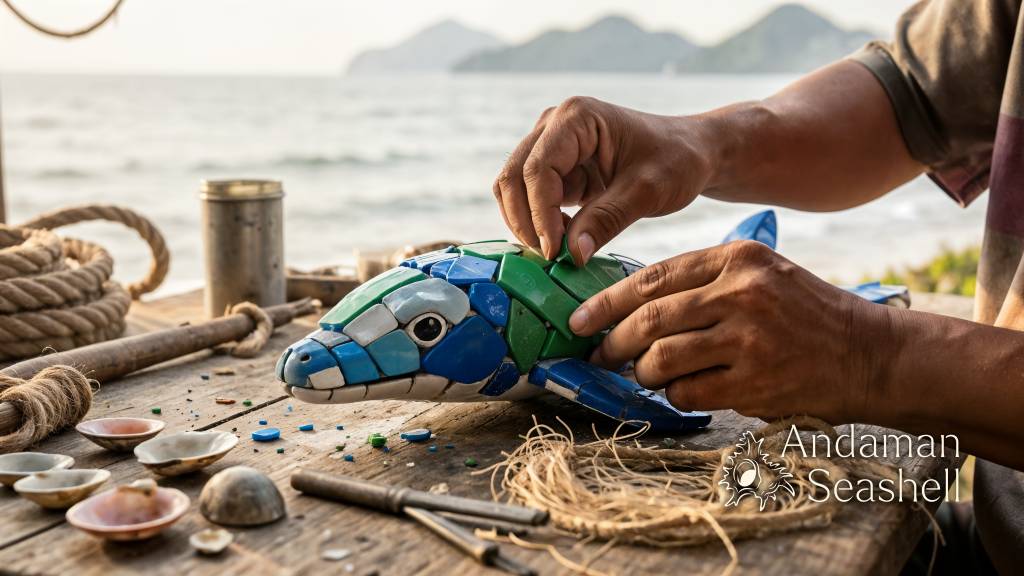
This is where the Phuket event gets the tone exactly right. A documentary gives the story a human face. A speaker gives it a voice. Recycled-material art gives it texture. A clean-up gives it motion. Even the fact that the festival is free to attend matters, because it lowers the barrier for students, families, and local residents who may be curious but not yet involved.[ref:1]
It also helps that the programme balances wonder with usefulness. Readers who come for the dugong sculpture or the sea views can leave having learned that seagrass meadows are working coastal systems that support fish, store carbon, and feed dugongs.[ref:2][ref:3] That is a strong public-event formula: beauty first, understanding second, action third.
A good August plan for Phuket
If you are looking for a gentle midweek outing, this is one of the easiest meaningful stops on the island’s August calendar. You do not need special knowledge to take part. You only need a little time, a willingness to look more closely at the shoreline, and perhaps the curiosity to ask how a quiet marine mammal can bring together film, community art, science, and beach care in one place.[ref:1]
Phuket often shines when it turns public space into shared learning, and this festival seems built for exactly that. By the end of the day, the nicest souvenir may not be a photo at all, but a sharper eye for the seagrass bays and calm shallow waters that make dugong life possible along Thailand’s coast.[ref:2][ref:3]


No comments yet. Be the first to share a thought.