



A vendor at a Phang Nga morning market folds a small shell charm into paper, adds a smile, and points a visitor toward the boat pier before the day has fully warmed. That tiny exchange is the kind of welcome travellers remember long after the sand has left their shoes.
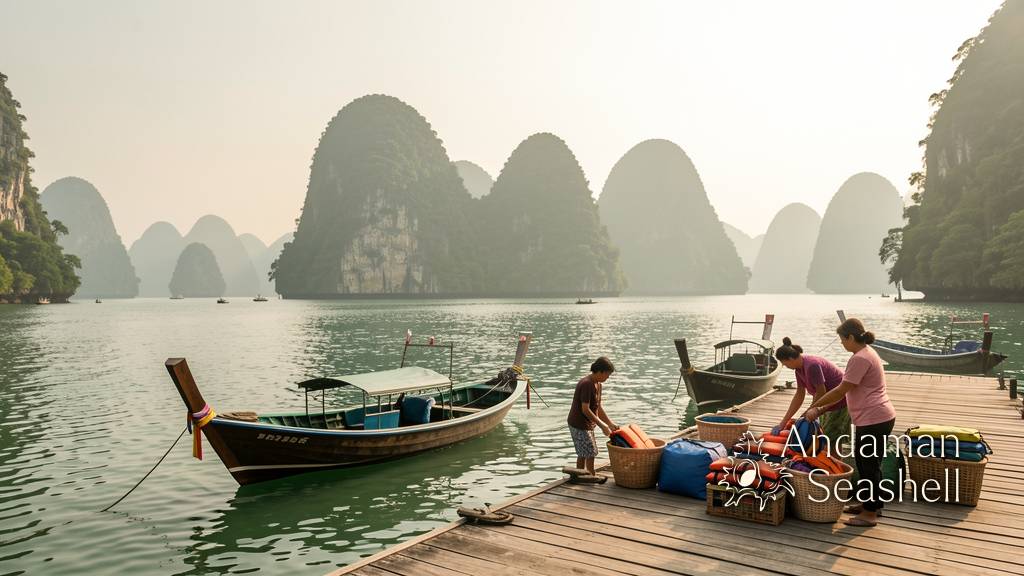
This year, Phang Nga received a cheerful international nod when Booking.com’s Traveller Review Awards 2026 listed it among the “Most Welcoming Regions on Earth.” The Nation’s report says the ranking was shaped by the share of accommodation partners receiving Traveller Review Awards, and notes that Thailand had 16,692 travel partners recognised across accommodation, rental cars, and airport taxi providers, with an 8.8 average review score [ref:1].
For visitors, the useful part is not the trophy language. It is the clue: Phang Nga’s strongest travel memory often comes from personal touches — the boatman who checks the tide before suggesting a route, the guesthouse host who explains where to eat during rain, the craft seller who tells you which shell shape is common on local beaches and which should simply be admired in the sea.
Start with the rhythm, not the checklist
A welcoming Phang Nga day begins best with fewer boxes to tick. Green season light changes quickly: a blue morning over the bay, a silver shower at lunch, then a golden clearing that makes the limestone cliffs look freshly painted. TAT’s 2026 “Feel All the Feelings, Seeking Thailand’s Wonders” initiative runs from 1 May to 31 July and encourages travellers to experience Thai destinations more deeply during the green season, when natural landscapes show their distinctive character [ref:2].
That idea fits Phang Nga beautifully. Instead of racing from viewpoint to viewpoint, choose one morning market, one pier, one beach walk, or one craft stop. Ask what is seasonal. Taste what is fresh. Let a local recommendation shape the next hour.
A simple mini-itinerary works well:
- Morning: market snacks, coffee, and a chat with a vendor before the heat rises.
- Midday: a slow indoor craft stop, small museum corner, café, or covered seafood lunch during passing rain.
- Afternoon: Samet Nangshe, a mangrove edge, or a quiet beach path when the light softens.
- Evening: choose a small keepsake with a real story, not a suitcase full of rushed purchases.
Souvenirs as conversations
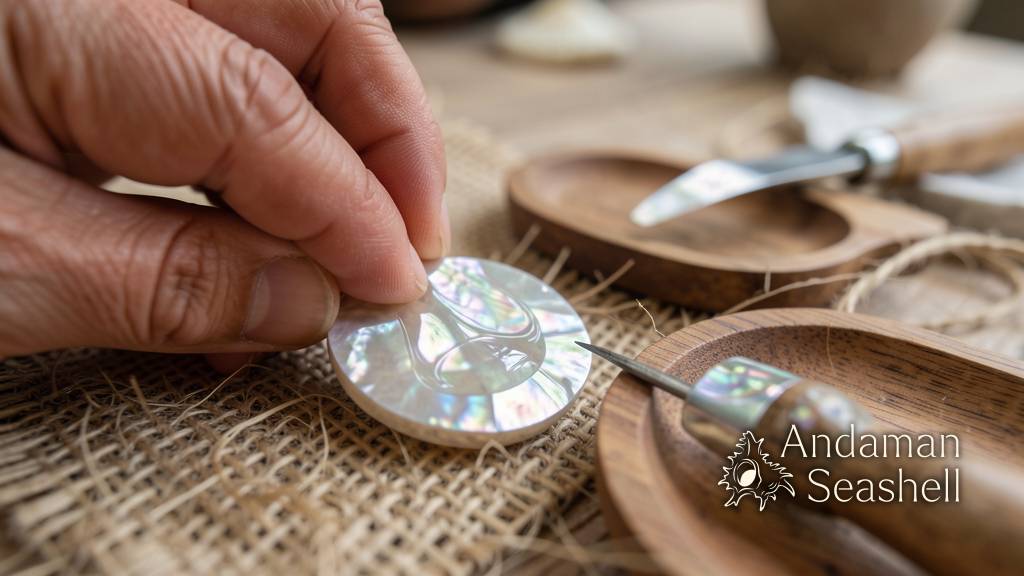
The best souvenir is often the one that teaches you how to look. A polished shell charm can lead to a conversation about tide lines. A woven basket can tell you which fruit is in season. A small painted tray can hold the memory of a rainy afternoon rather than only a price tag.
When buying coastal keepsakes, a few kind habits make the exchange better for everyone. Choose finished craft items from responsible sellers. Ask before photographing hands, faces, or worktables. If a maker explains a pattern, listen first; the story is part of the value. If you are unsure about natural materials, choose pieces made from common, legally sourced, recycled, or clearly crafted components.
This is where Phang Nga’s welcome becomes two-way. Visitors receive warmth, and they return it through patience, curiosity, and fair appreciation. A gentle “thank you” in Thai — khop khun ka or khop khun krub — travels surprisingly far.
Read the coast like a host would
A local host rarely treats weather as an interruption. Rain can polish leaves, cool the lanes, and make a bowl of noodles feel perfectly timed. Tide tables matter more than rigid schedules. Shoes that can handle wet paths are better than delicate sandals. A light dry bag, a refillable bottle, and a flexible half-day plan are practical signs that you are ready to enjoy the coast as it is.
Phang Nga’s hospitality also lives in the small pauses: waiting while a boat crew loads supplies, stepping aside on a narrow market lane, greeting elders softly, and keeping beaches tidy without needing applause. These are not grand rules. They are travel manners that make a beautiful place feel even easier to share.
Carry the welcome home
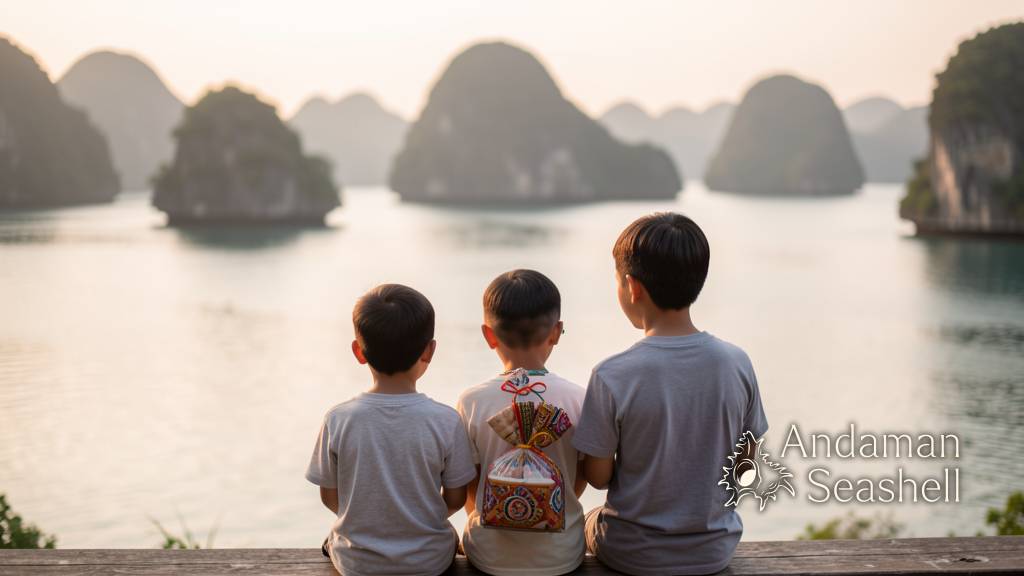
At Samet Nangshe, when the bay turns pale gold and the islands sit like folded paper on the water, it becomes clear why visitors describe Phang Nga with feeling. The view is spectacular, yes, but the memory around it is human: who poured the coffee, who pointed out the clearing sky, who wrapped the little shell charm so it would not scratch on the way home.
That is the souvenir Phang Nga gives most generously. It is not only an object. It is a way of travelling — slower, kinder, more attentive — that fits in your pocket and somehow makes the journey home feel brighter.


No comments yet. Be the first to share a thought.