



A surfboard on warm sand can look simple. In Khao Lak this August, it also became part of a bigger local story: on 14 August, the Tourism Authority of Thailand said its new Thailand Surf Therapy push had just wrapped two international familiarisation journeys across Phuket and Phang Nga, bringing media, creators, and local partners into the same coastal conversation [ref:1].
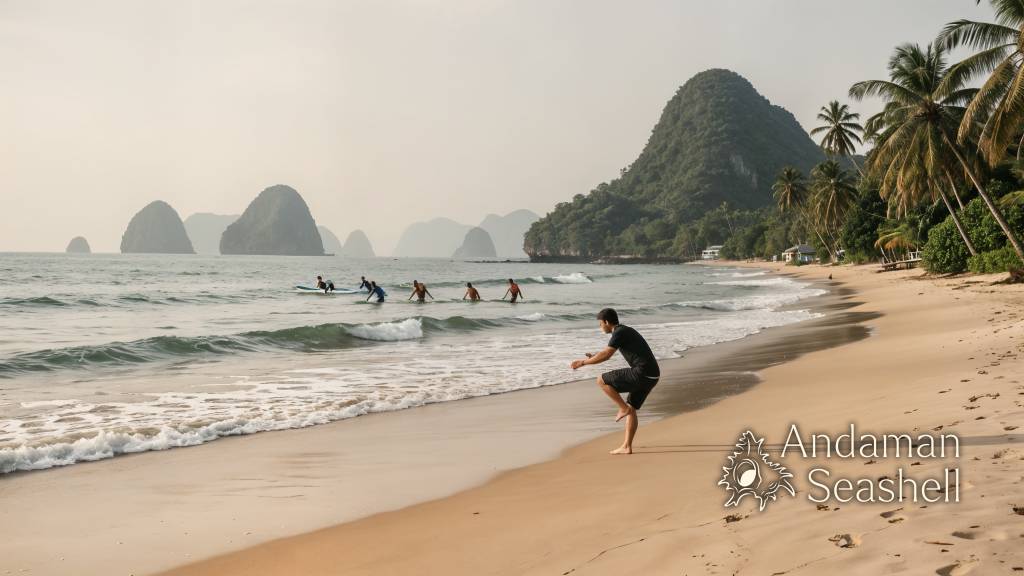
That matters because the idea is not being presented as ordinary beach leisure. TAT describes Thailand Surf Therapy as a structured wellness experience built around surfing, movement, mindfulness, nature, and positive social connection, drawing on knowledge shared by South Africa’s Waves for Change [ref:1][ref:3]. In other words, the charm of the beach is still there, but now it is being organised into something teachable, repeatable, and distinctly local.
What happened in August
The newest momentum came from two linked August programmes. TAT’s Amazing Thailand Surf & Wellness Journey ran from 8-13 August and hosted eight international media representatives and KOLs from the United Kingdom, Australia, and Japan [ref:1]. Running alongside it from 8-12 August was an Amazing Thailand x Insta360 creator itinerary that brought 18 creators from the Philippines, Indonesia, Malaysia, Hong Kong, Japan, Taiwan, Vietnam, and Thailand through Phuket and Phang Nga [ref:1].
Instead of showing visitors only postcard views, the itinerary moved through a practical map of the coast. In Khao Lak, participants joined guided sessions at Memories Surf House covering water safety, movement, and progressive surf skills [ref:1]. The wider route also included wellness stops at Devasom Khao Lak and La Vita Sana, forest bathing at Khao Lak-Lam Ru National Park, kayaking at the Little Amazon in Takua Pa, and cultural walks in both Takua Pa Old Town and Phuket Old Town [ref:1]. That mix is what makes the story feel grounded: the wave is only one part of a broader community ecosystem.
Why Phang Nga fits the idea so well
Earlier background reporting helps explain why this is landing in Phang Nga rather than somewhere noisier. Nation Thailand described Phang Nga as Thailand’s first science-based surf therapy destination and said the province was chosen for its gentle beginner-friendly waves, peaceful atmosphere, rich biodiversity, and strong local surf community [ref:2]. Those are not abstract tourism adjectives. They are practical ingredients for a place where nervous first-timers, wellness travellers, and local facilitators can all share the same shoreline.
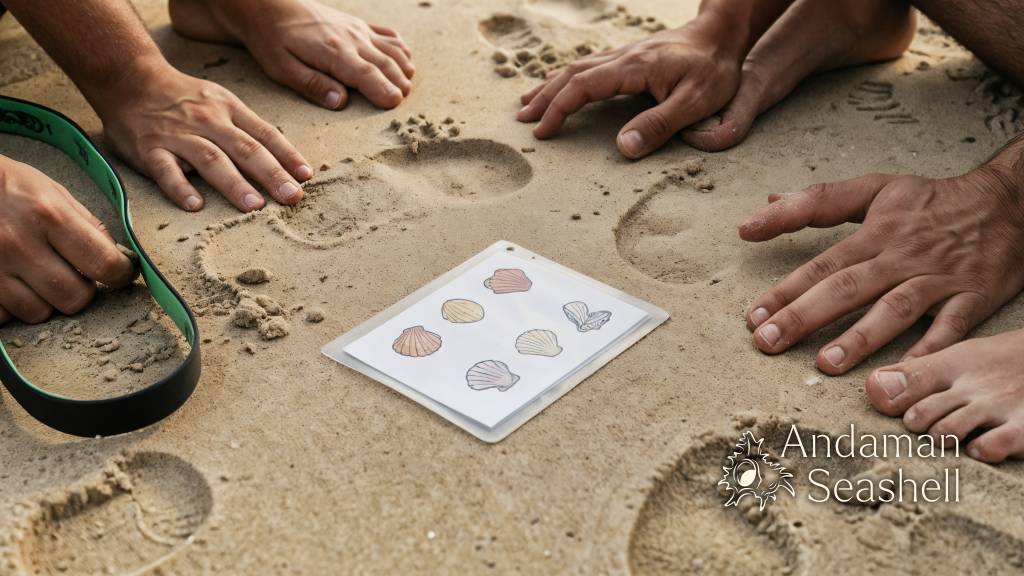
The programme structure is also more developed than the phrase “surf therapy” might suggest at first glance. TAT says the model uses a five-step “Take 5” framework: Energise, Check-in, Breathe in, Play, and Check-out [ref:1]. Nation Thailand adds that Rise On Wave has already shaped three signature pathways around the concept: the five-day Wave Reset Program, the seven-to-ten-day Ocean Balance Program, and the 14-day Surf & Soul Program [ref:2]. For readers around Phuket and Phang Nga, that is the key shift: this is no longer just an interesting workshop. It is beginning to look like a real coastal product with a local identity.
The people building it behind the scenes
One of the most encouraging details is how many partners are involved. TAT says facilitator capacity has already been built across seven Thai organisations, including La Flora Group, La Vita Sana, Memories Surf House, Prince of Songkla University Phuket Campus, Chanthaburi Surf Tribe, I use my palm, and Chann All Soul [ref:1]. Waves for Change’s July write-up fills in the human side, noting that a June trust-building event at Memories Surf House in Phang Nga brought together 36 participants from tourism, wellness, research, and media, with recurring feedback themes led by Gratitude at 33 percent and Fun and Energy, Framework and Tools, and Trainers and Team at 22 percent each [ref:3].
That blend of academics, coaches, hosts, and storytellers is exactly what gives the project warmth. On 9 August, the two August groups even converged at “The Wave of Healing” Networking Dinner at La Solaya in Khao Lak, where tourism operators, community representatives, and project stakeholders exchanged ideas about the future of the programme [ref:1]. It is easy to picture how that kind of gathering could ripple outward into better local training, smarter packages, and more confident storytelling about the coast.
What visitors may notice next
Khao Lak’s partners have already developed a five-day, four-night Surf Therapy programme that combines structured surf sessions with accommodation, meals, wellness activities, and nature-based experiences [ref:1]. If that model keeps growing, visitors may start to see Phang Nga promoted less as a place to rush through and more as a place to slow down, breathe well, and learn something new by the sea.
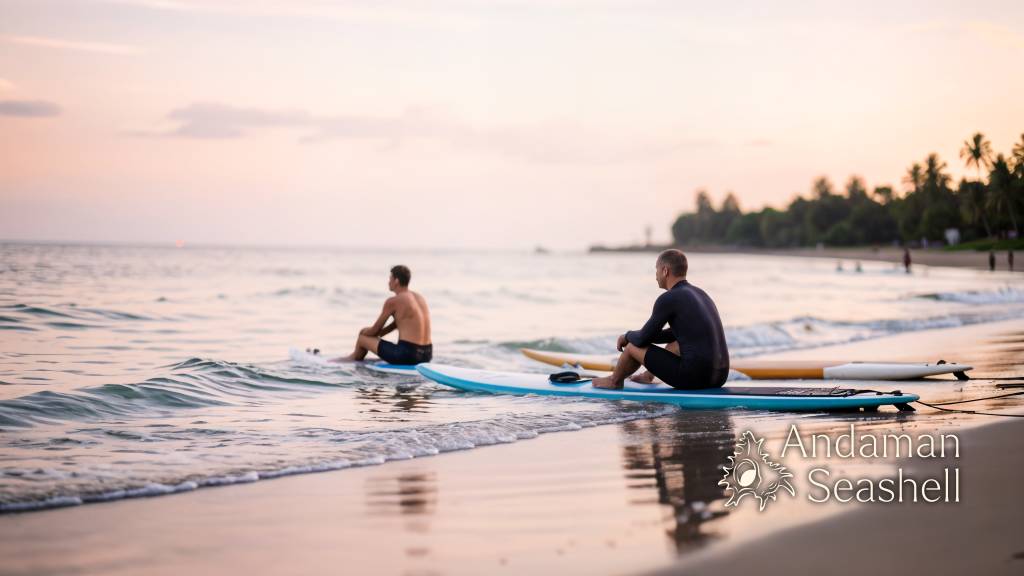
For Andaman readers, that is the most appealing part of the story. The beaches, forests, old towns, and local operators were already here. What surf therapy seems to be adding is a clearer language for connection: ocean time with purpose, movement with guidance, and travel that leaves behind a little more confidence than it arrived with [ref:1][ref:3].


No comments yet. Be the first to share a thought.