



On a soft morning at Memories Beach, a beginner board rests on the sand like an invitation: bright foam deck, wax catching the light, and a small wave rolling in slowly enough for everyone to breathe with it. That was the spirit behind Thailand Surf Therapy, a Phang-nga pilot organised by the Tourism Authority of Thailand on 18–19 June 2026 to explore how surfing, ocean time, and guided wellbeing can become a science-based coastal travel experience [ref:1].
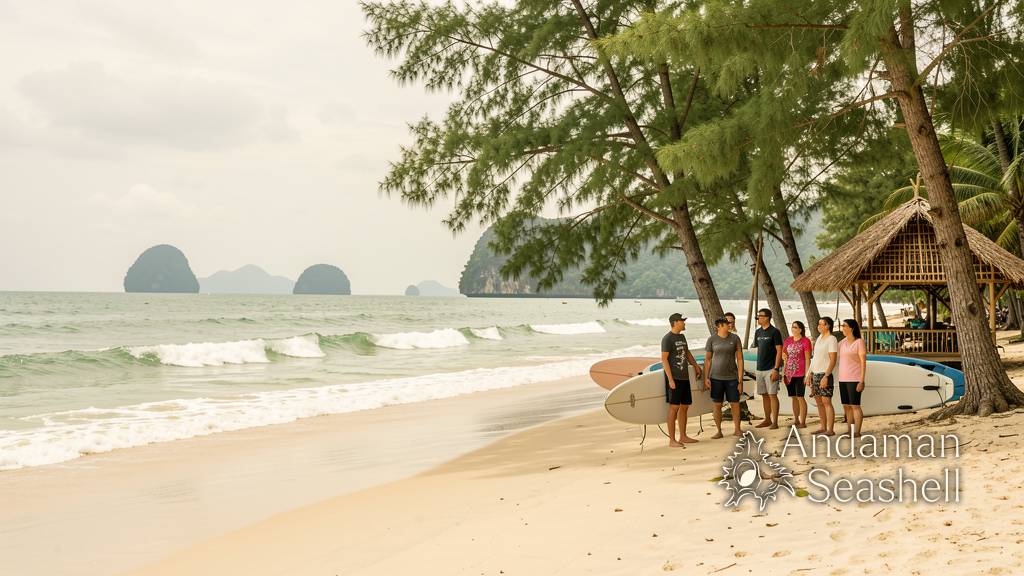
The idea is beautifully simple. Instead of treating surfing only as a sport, the programme uses the sea as a friendly classroom: prepare your body, notice your breath, step into gentle water, share the moment with a coach, and come back to shore with a little more trust in yourself. TAT says the pilot brought together 36 tourism partners, wellness operators, and media representatives, with support from Prince of Songkla University Phuket Campus, La Vita Sana, Memories Surf House, Waves for Change from South Africa, Span Global, and Rise On Wave [ref:1].
Why Phang-nga fits the feeling
Phang-nga already has the right rhythm for a thoughtful coastal experience. Green-season waves arrive with space between them. The beach is active but not hurried. Coaches can slow the session down, and visitors can learn that a surfboard is not just equipment — it is a place to practise balance, patience, and play.
At Memories Beach, the programme opened with a talk on surf therapy for emotional healing, then moved into practical preparation: basic techniques, safety, and participant readiness. The following day added ocean-breath activities, floating, and sound therapy elements, according to TAT’s summary of the journey [ref:1]. For a traveller, that mix turns a beach morning into a full ritual: body, water, breath, reflection, and local care.
What “science-based wellness” means here
The phrase can sound formal, but the actual experience is very human. Waves for Change describes surf therapy as a safe, nature-connected practice that helps people build self-confidence, resilience, emotional regulation, and meaningful relationships through the sea [ref:2]. Their July update says the Thai partnership adapts the organisation’s Take 5 mental-health framework for the tourism context, with coach training and hands-on activities at Memories Surf House in Phang Nga Province [ref:2].
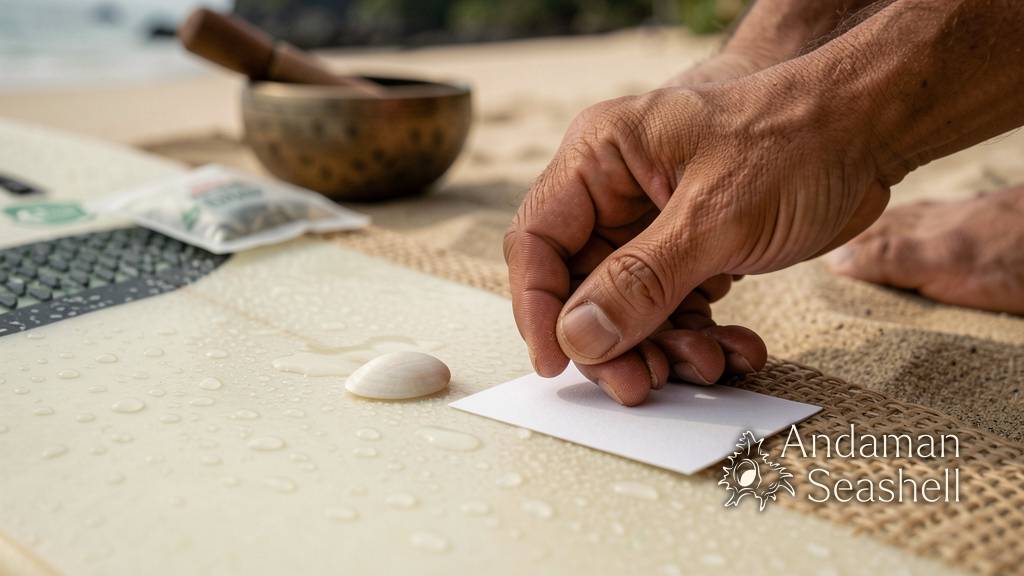
That matters because the most memorable travel moments often happen when learning feels embodied. You do not only read about the ocean; you feel the board wobble, laugh with the coach, watch foam pattern around your ankles, and learn to reset your attention. The sea becomes a teacher without becoming a lecture.
TAT’s development direction also shows three possible future formats: a three-to-five-day Wave Reset Program, a seven-to-14-day Ocean Balance Program, and a Surf & Soul Program of 14 days or more [ref:1]. Those names are still part of a model under development, but they hint at a travel style built around time, repetition, and coastal presence rather than rushing from stop to stop.
A warm travel idea for curious visitors
For Andaman travellers, the takeaway is not that every beach day needs a programme. It is that the coast can hold many kinds of discovery. One morning might be shell textures and tide lines. Another might be a local café after rain. Another might be learning how to fall gently from a surfboard and climb back laughing.
If Thailand Surf Therapy grows as planned, it could offer visitors a grounded way to meet Phang-nga’s surf community: coaches, wellness facilitators, hotel teams, researchers, and local operators working together around the sea. The premium feeling comes not from grandness, but from care — clear guidance, small groups, thoughtful safety, and the quiet generosity of people who know their beach.
How to imagine your own gentle wave day
Until public formats are announced, travellers can still borrow the spirit of the pilot:
- Choose beginner-friendly conditions and listen to local surf coaches.
- Start with breathing and stretching before rushing into the water.
- Treat falling as part of the lesson, not a mistake.
- Leave time after the session for water, food, and reflection.
- Support local surf houses, cafés, and makers who keep the beach community lively.

By late afternoon, the best image of surf therapy is not a dramatic ride. It is someone sitting at the waterline, board half-floating, shoulders relaxed, with a coach nearby and small waves folding themselves onto the sand. Phang-nga’s gift is that it makes this kind of travel feel natural: curious, kind, and close to the tide.


No comments yet. Be the first to share a thought.