



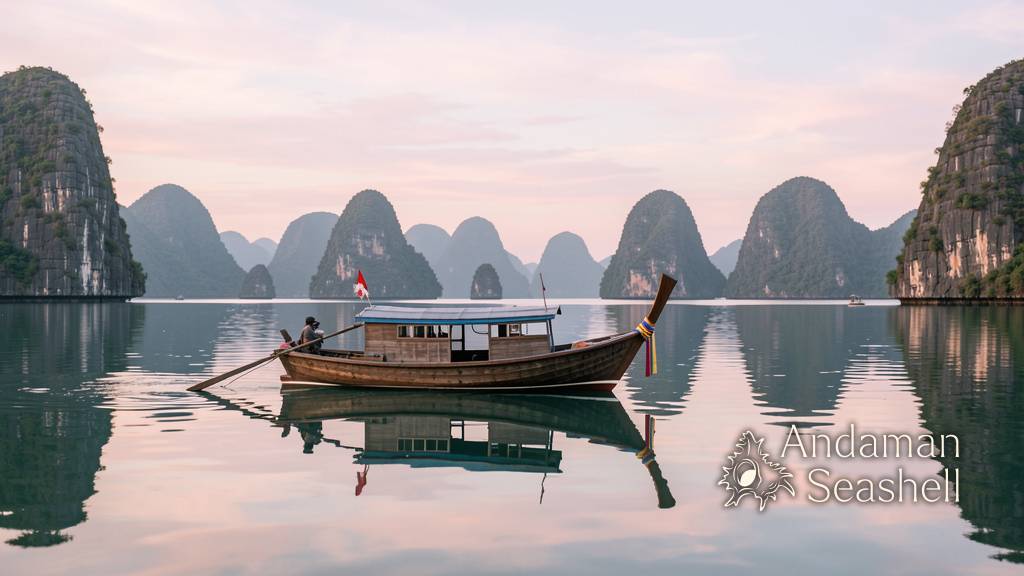
The rain stopped twenty minutes before dawn. Nai Somchai coils the mooring rope on his longtail and checks the sky — scattered cloud, wind calm, the kind of morning the bay gives you between monsoon pulses [ref:1]. By 7 a.m. he will be past Ko Panyee with a handful of visitors who booked the early slot, the only boat on the water for an hour.
This is Phang Nga Bay in the green season.
The Pattern the Guidebooks Skip
May through October is monsoon season along the Andaman coast, and most visitor guides treat it as a weather window to avoid. The reality on the water is more nuanced. Rain comes in short, heavy bursts — typically mid-afternoon — then clears [ref:2]. Mornings are often mirror-calm, especially inside the protected limestone channels where tour boats run. The mangroves turn vivid green. Tourist numbers drop by half, sometimes more.
"Foreigners think monsoon means constant rain," Nai Somchai says, thirty-two years running boats out of Tha Dan. "It rains every day in Europe, and they still go outside. Here it rains for an hour, then stops. You just need to know the pattern."
The pattern: book early morning departures (6–8 a.m.), carry a waterproof bag, and understand that afternoon tours may be rescheduled if a squall comes through. Reputable operators monitor weather actively and will shift your slot rather than run a risky trip [ref:3]. The trade-off for flexible scheduling is near-empty anchorages and limestone karsts reflected in glassy water.
What Changes, What Doesn't
The bay's geography does not shift with the season — the same caves, the same mangrove channels, the same stilted villages. What changes is the light, the colour of the water (sediment from river runoff deepens the green), and the number of longtails queued at James Bond Island.

High season (November–April) sees back-to-back tour groups at every major stop. June means you might have Tham Lod (the sea cave paddle-through) to yourself for ten minutes. That window matters if you are trying to photograph the stalactites or simply sit in the cool shadow and listen to water drip.
Visibility for snorkelling drops slightly — the Andaman is not gin-clear during monsoon — but reef fish are active year-round, and operators who run to the outer islands (Koh Yao Noi, Koh Hong) know which sites hold up in any weather.
Practical Checklist
- Timing: Aim for 6–8 a.m. departures. Afternoon rain is predictable; morning squalls are rare.
- Operator choice: Book with established companies that own their boats and employ full-time captains. Ask if they reschedule for weather (the answer should be yes).
- Packing: Waterproof phone case, dry bag for electronics, light rain jacket. Leave cotton clothing at the hotel — it stays wet. Synthetic fabrics dry fast.
- Pricing: Green season rates run 20–30% below high season. Multi-day flexibility helps — if your first-choice date gets rained out, slide to the next morning.
Nai Somchai's longtail is back at the pier by 11 a.m., his visitors dry and the camera cards full. The afternoon clouds are building over the Tenasserim Range to the east, right on schedule. By 2 p.m. it will rain. By 4 p.m. the sky will clear, and the evening light will turn the limestone gold.
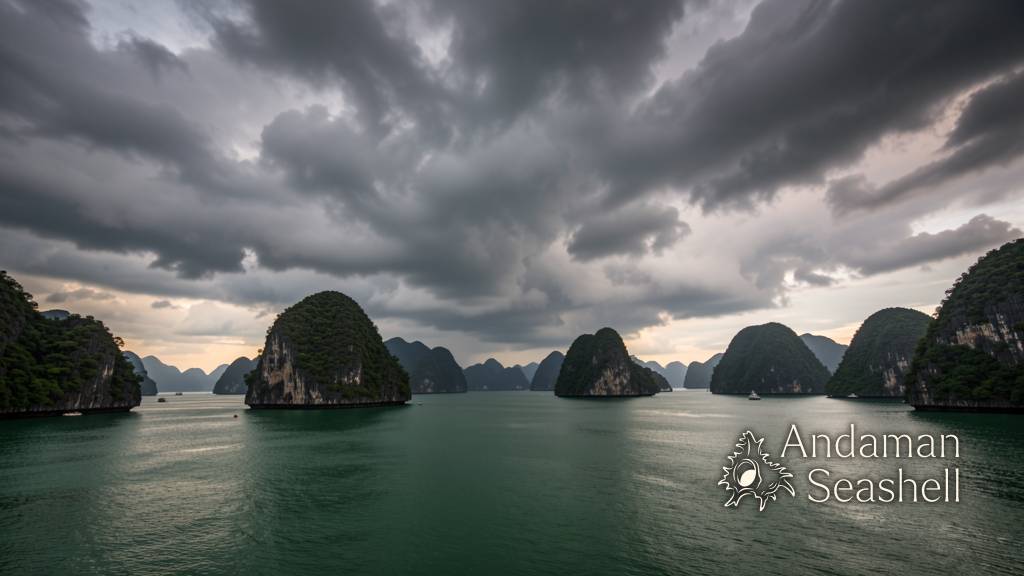
The bay does not close for monsoon. It just asks you to pay attention.


No comments yet. Be the first to share a thought.