



On the night of August 12, 2026, step outside, tilt your head back, and watch the sky put on a show that costs absolutely nothing and requires no equipment. The Perseid meteor shower — the most beloved shooting-star display of the year — reaches its peak that night into the early hours of August 13, and astronomers are genuinely excited about the viewing conditions [ref:1].
This year the new moon falls on exactly August 12, which means the sky will be as dark as it gets — no lunar glare competing with the meteors. Under that moonless sky, NASA expects 50 to 100 meteors per hour at peak, with some observers under truly dark skies reporting even more [ref:1]. The Perseids are famous for being bright, colorful, and fast — each streak is a tiny piece of comet dust slamming into our atmosphere at 59 kilometres per second [ref:2].
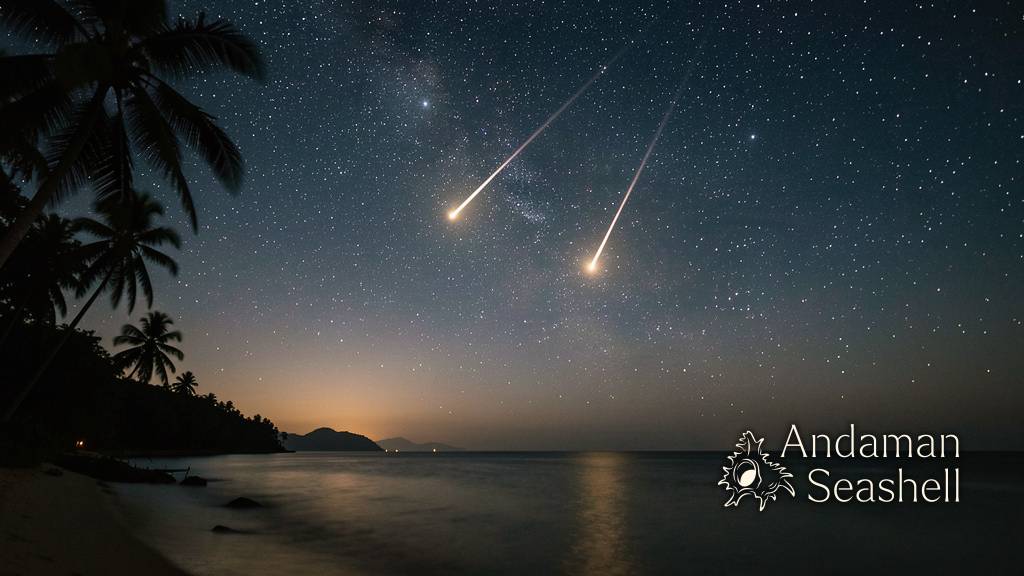
What you'll actually see
A single Perseid meteor lasts only a second or two, but it leaves an impression. Most appear white or yellow-white, but some glow green, blue, or even red depending on the minerals in the dust grain burning up. The brightest ones — called fireballs — can leave a glowing train across the sky that lingers for seconds afterward, like a chalk line someone drew on the darkness.
The shower is active from July 14 through September 1, but those numbers climb gradually each night until they spike on peak night, then drop off rapidly [ref:3]. Think of it as a slow crescendo followed by a fireworks finale.
Meet the comet that makes the magic
Every Perseid meteor you see was once part of a single object: Comet 109P/Swift-Tuttle. This comet was independently discovered in July 1862 by two astronomers, Lewis Swift in New York and Horace Tuttle at Harvard Observatory [ref:4]. Three years later, the Italian astronomer Giovanni Schiaparelli figured out that this comet was the source of the Perseid shower — a connection that still holds today [ref:4].
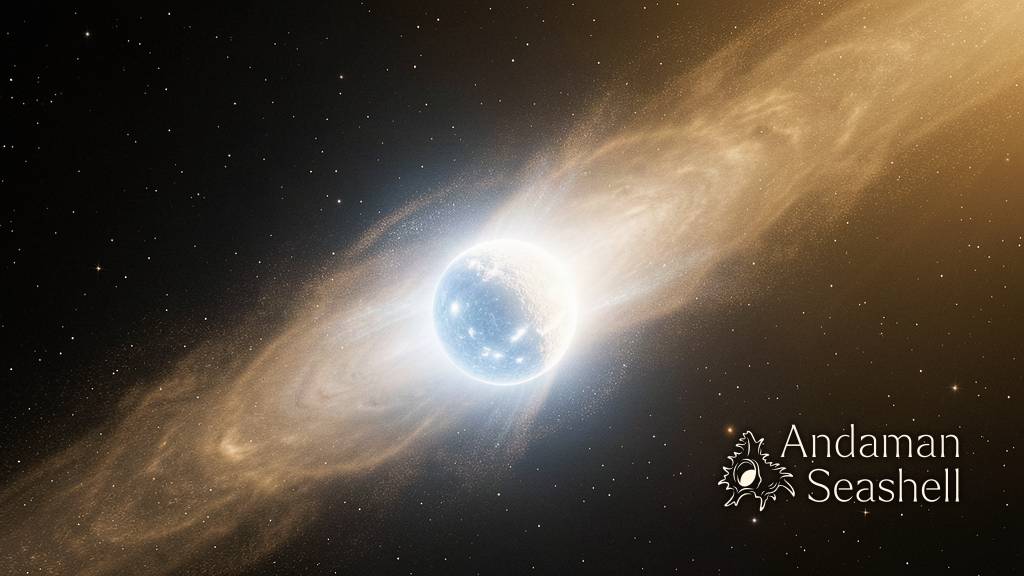
Here is the part that makes astronomers sit up: Swift-Tuttle is enormous. Its icy nucleus measures 26 kilometres across — about 16 miles [ref:2]. That is more than twice the diameter of the asteroid impact believed to have wiped out the dinosaurs. Yet every grain of dust that creates those beautiful shooting stars was gently shed by this giant as it loops around the Sun.
Swift-Tuttle takes 133 years to complete one orbit. Its most recent visit to the inner solar system was in 1992, when amateur astronomer Tsuruhiko Kiuchi rediscovered it near the Big Dipper [ref:3]. The comet will not return until 2126 — but the trail of debris it left behind crosses Earth's path every single August, and that crossing is what we call the Perseids.
How to watch the 2026 peak
The meteors appear to radiate from the constellation Perseus, which rises in the northeast in the late evening and climbs higher as the night deepens. But here is the secret: you do not need to find Perseus. Meteors can appear anywhere in the sky. Just look up [ref:1].
A few practical tips for the best night ever:
- Timing: The best viewing is from midnight through dawn, with the last hour before sunrise often being the richest. The predicted peak moment is 14:53 UTC on August 13, so the pre-dawn hours of both August 12 and 13 are excellent [ref:3].
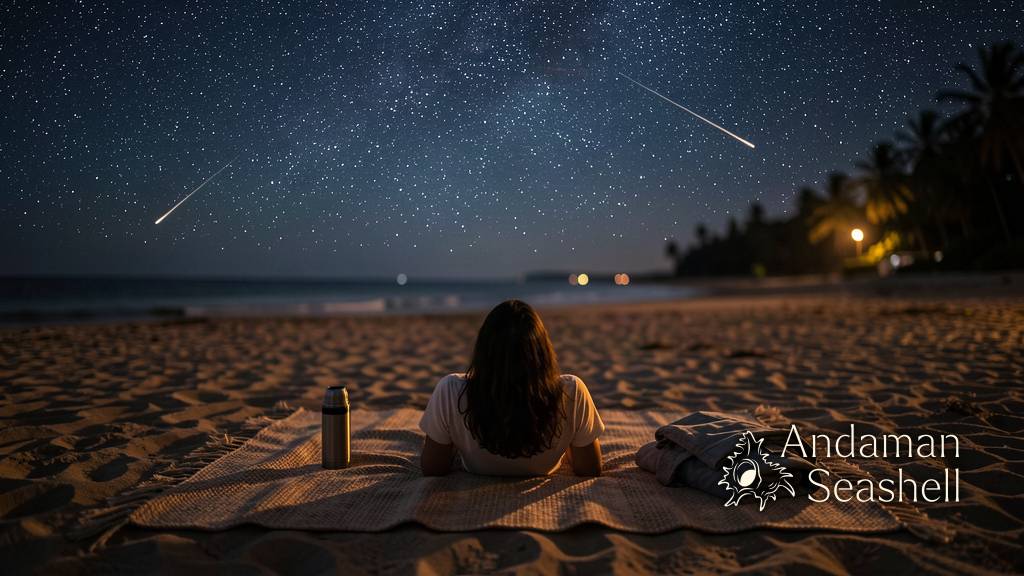
- Location: Get away from city lights. A dark beach or open field makes a dramatic difference — light pollution is the single biggest enemy of meteor watching.
- Patience: Give your eyes 20 to 30 minutes to adjust to the darkness. Put the phone away.
- Comfort: Bring a blanket or reclining chair, a warm drink, and bug spray. Looking up for an hour is much better with a pillow.
- No equipment needed: Binoculars and telescopes actually make it harder to see meteors because they narrow your field of view. Your eyes are the perfect tool.
A free gift from the sky
The meteors burn up about 100 kilometres above the Earth's surface — high in the mesosphere, where temperatures drop far below anything you have ever felt [ref:3]. A typical Perseid is no bigger than a grain of sand. And yet for one bright second, it outshines everything around it.
Thailand's National Astronomical Research Institute (NARIT) has confirmed excellent viewing conditions for the 2026 Perseids from locations across Thailand, making this one of the most accessible cosmic events of the year [ref:5].
So mark the calendar. August 12 and 13, after midnight, find a dark patch of sky, and look up. The universe is throwing a party, and everyone with a clear view is invited.


No comments yet. Be the first to share a thought.