



A longtail boat noses across calm water, and Lawa Yai appears as a bright strip of sand tucked against green forest. The delight is simple: before your feet reach the beach, you can already sense that this small island is being looked after with care.
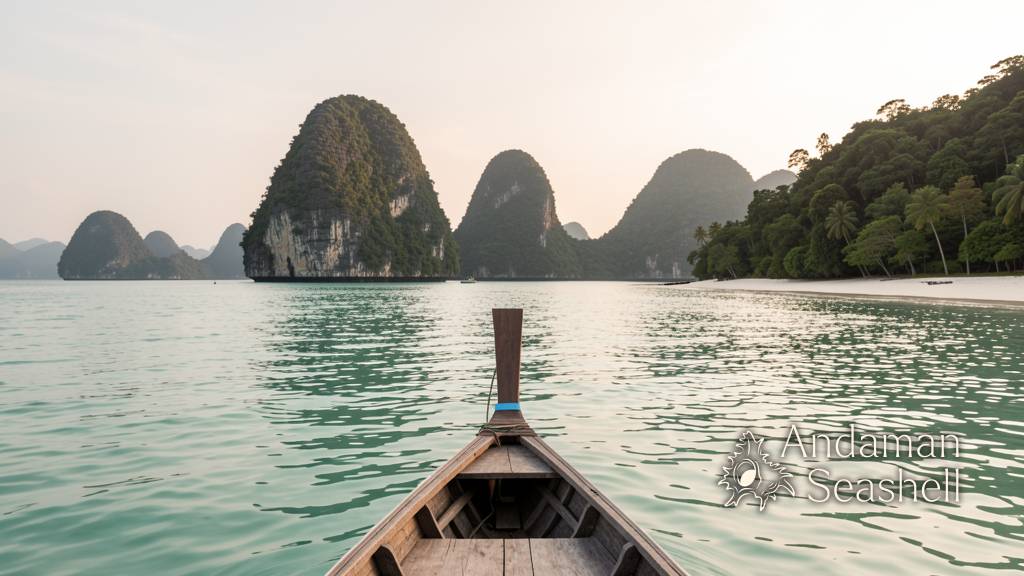
That feeling now has an international name attached to it. Lawa Yai, inside Ao Phang Nga National Park, has been awarded ISO 13009:2015 certification for tourism and beach management, according to reports by The Nation Thailand and The Thaiger [ref:1] [ref:2]. For visitors, the phrase may sound official; on the sand, it translates into something warmer — cleaner paths, clearer information, safer beach routines, and a destination that treats natural beauty as something to steward, not simply admire.
A small island with a clear welcome
Lawa Yai sits near Phuket’s marine border in the Andaman Sea. The Nation reported that the island is about 1.5 kilometres off the eastern coast and can be reached by boat in roughly 15 minutes [ref:1]. That closeness is part of its charm: close enough for a day trip, small enough to feel personal, and tucked into the wider limestone-and-mangrove world of Ao Phang Nga.
Ao Phang Nga National Park itself was declared a marine national park in 1981 and covers about 400 square kilometres, including limestone karst islands, calm turquoise water, beaches, caves, and extensive mangrove forest [ref:3]. Many travellers know the park through famous postcard views. Lawa Yai offers a quieter kind of memory: bare feet on pale sand, shade from island trees, and water that invites an unhurried swim.
The reported ISO recognition is especially interesting because ISO 13009:2015 is not a beauty contest. It is a beach-operation standard. ANSI’s summary explains that the standard sets general requirements and recommendations for beach operators offering tourist and visitor services, including sustainable management, infrastructure and service provision, safety, information, cleaning, waste removal, and other visitor-care details [ref:4]. In other words, the award is about the practical work that helps a beach feel easy, respectful, and well prepared.
What “well managed” feels like on the sand
The best kind of beach management often feels almost invisible. You notice the calm first: where to walk, where to swim, where to keep the beach tidy, and how the island balances visitors with the living coast around them.
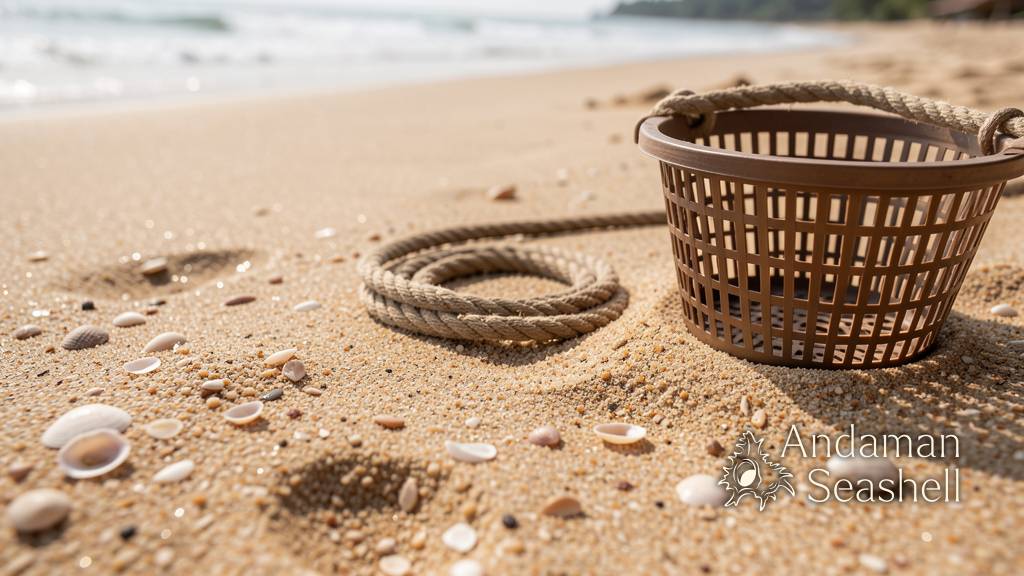
Reports note that Lawa Yai offers sunbathing, swimming, snorkelling, clear water, coral reefs, and seagrass beds [ref:1]. Those are exactly the details that make care matter. Coral and seagrass are not just scenery; they are living parts of the Andaman’s coastal character. When beach routines are thoughtful, travellers can enjoy the water while understanding that the place has its own rhythms.
There is also a community pride hidden inside a certification like this. A small island does not feel cared for by accident. It takes park staff, boat operators, cleaners, local guides, and visitors all moving in the same direction. The reported comments from Phob Toonsang, chief of the national park’s first conservation unit, framed the certification as support for maintaining natural beauty while giving visitors a safe, enjoyable experience [ref:1]. That is a practical promise, but it is also a cultural one: welcome people well, and welcome the island’s future too.
A thoughtful day trip, not a rushed checklist
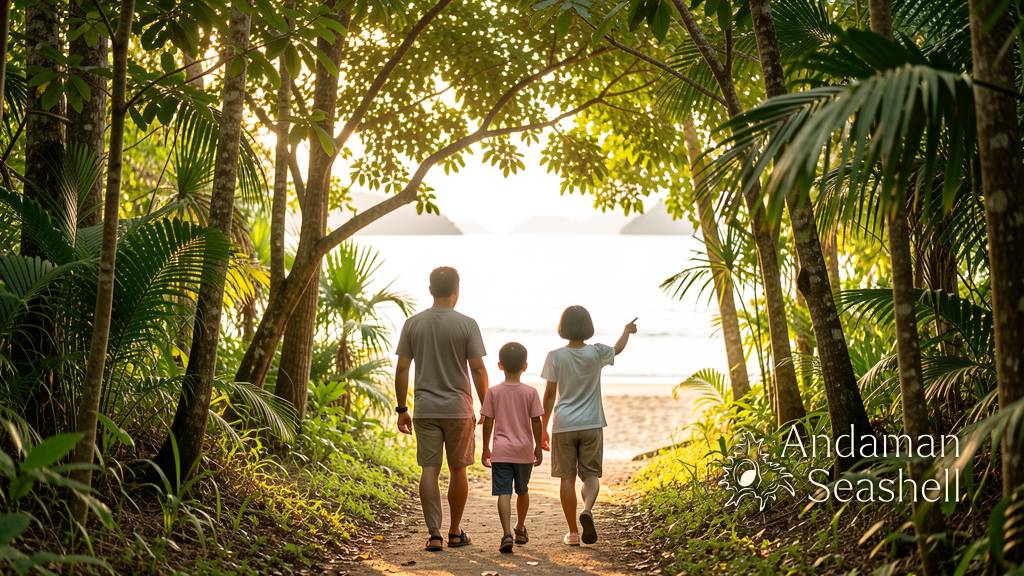
For Andaman travellers, Lawa Yai is a reminder that the best trips are not always the loudest. A good visit might be beautifully simple: arrive by boat, step lightly onto the sand, swim where conditions are right, look for texture in the shell fragments, and give yourself time to notice the forest edge.
The island has also been reported to offer a nature trail, bungalows, camping areas, and restroom facilities [ref:1]. Travellers should always check current arrangements directly with Ao Phang Nga National Park before planning, because island services can shift with weather, season, and park management.
The wider park context adds another layer. Thai National Parks describes Ao Phang Nga as rich in mangrove habitat, canoeing routes, caves, birds, and limestone scenery [ref:3]. That means Lawa Yai can be part of a bigger, softer way of exploring Phang Nga Bay: not racing from icon to icon, but choosing one cared-for place and learning how the coast works.
Why this recognition feels very Andaman
The Andaman coast has always been good at making small things feel meaningful: a shell polished by tide, a fisherman’s knot, a boat ride at the right hour, a beach where the sand is kept clean for the next family. Lawa Yai’s recognition fits that spirit. It says that beauty and responsibility can sit side by side, and that a modest island can carry a big lesson with grace.
For visitors, the takeaway is cheerful and easy to remember: choose places that are cared for, follow local guidance, bring curiosity, and leave the beach ready for the next tide. That is how a short 15-minute crossing becomes more than transport. It becomes a small act of appreciation for Phang Nga Bay.


No comments yet. Be the first to share a thought.