



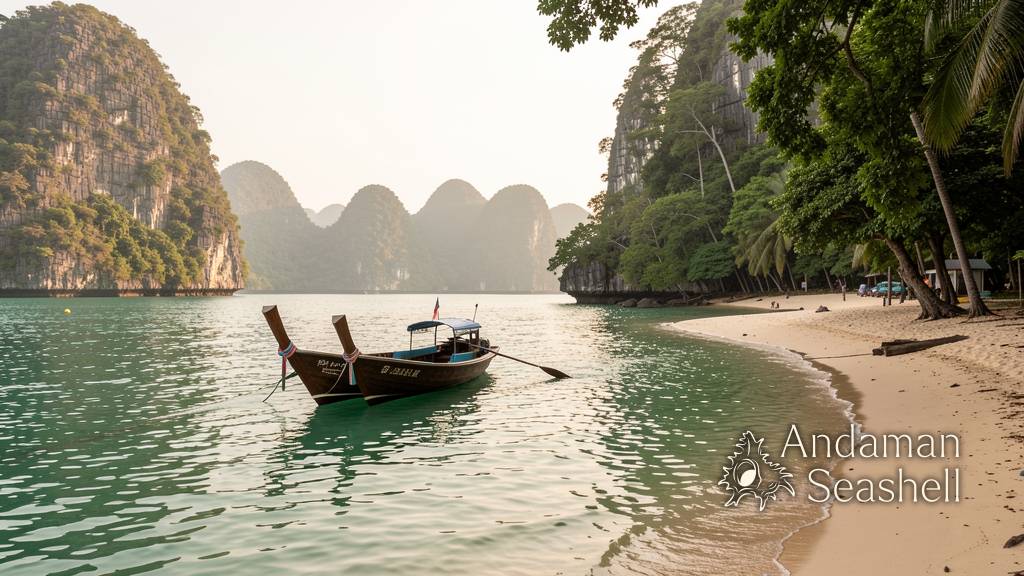
A longtail boat noses toward Lawa Yai in the soft morning light, and the first thing a visitor notices is not a grand announcement. It is the feeling that someone has been here early: the rope line sits neatly, the sand looks cared for, and the path into the shade feels easy to understand. That quiet welcome is now part of a bigger story for Phang Nga, after Lawa Yai island in Ao Phang Nga National Park received ISO 13009:2015 recognition for beach management, according to reports by The Nation and The Thaiger [ref:1].
The award may sound technical, but on a beach it becomes wonderfully practical. It is about the details that help a day feel relaxed: clean sand under bare feet, safer swimming areas, clearer visitor information, and the sense that natural beauty and hospitality are working together. ISO describes tourism standards as tools that support enjoyable, sustainable and responsible travel experiences, including service quality, environmental impact and cultural sensitivity [ref:2]. On a small island, those ideas become visible in ropes, paths, bins, boats, shade, and the daily rhythm of people who look after the shore.
A small island with a clear sense of care
Lawa Yai sits within Ao Phang Nga National Park, the limestone-sea landscape that many travellers remember for its emerald water and sculptural cliffs. The Thaiger, citing the original Nation report, described Lawa Yai as part of the national park and noted that the certification recognises beach management linked to sustainable tourism and visitor-friendly services [ref:1]. For Andaman travellers, the useful lesson is simple: a beautiful beach becomes even more memorable when the practical layer is handled gently.
That practical layer is easy to overlook because it is designed to feel calm. Good beach management rarely asks for attention. It quietly answers questions before visitors need to ask them. Where should we land? Where is the safest place to swim today? How do we enjoy the sand without crowding the plants? Where does rubbish go? How can a family spend a few hours here and leave the island feeling as fresh as when they arrived?
For a souvenir-minded shop like Andaman Seashell, this is a lovely kind of craft. Not craft made from shell or pearl, but craft made from care: a daily arrangement of space, people, timing, and respect. The most meaningful keepsake from a beach day is often not an object at all. It is the memory of arriving somewhere that felt ready for you, while still belonging first to the sea.
What ISO 13009:2015 means in everyday language
ISO 13009:2015 is a standard for beach operation and management. Visitors do not need to memorise the number. The friendly takeaway is that beach quality can be planned, checked, improved, and shared. Like a well-run market stall or a thoughtful craft table, a beach has many small touchpoints: access, information, cleanliness, environmental care, safety, and the way people are guided through the place.
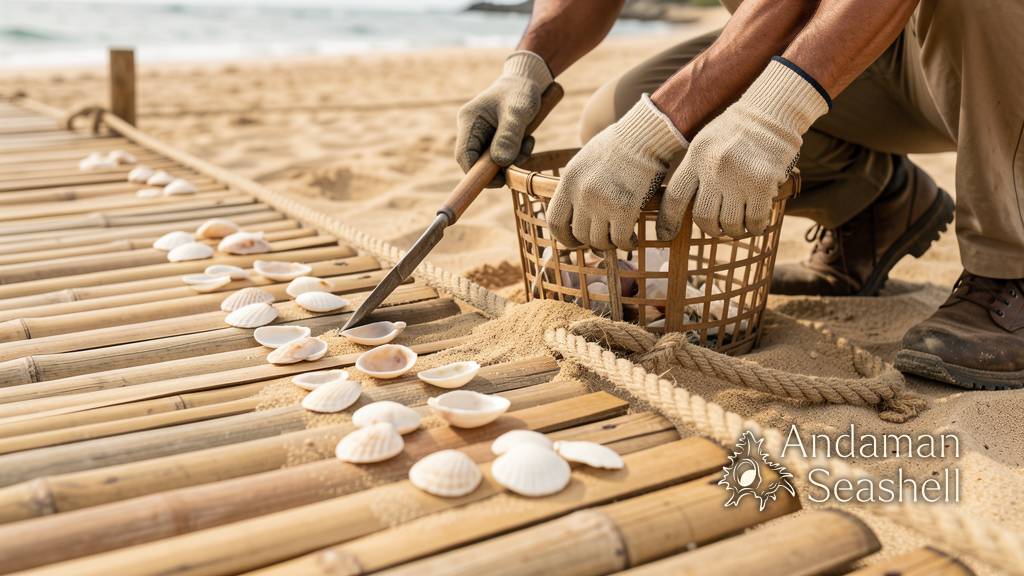
This is why the Lawa Yai news feels positive for Phang Nga beyond one island. It shows how coastal tourism can be warm and orderly at the same time. The Andaman coast already has the big gifts: clear water, limestone silhouettes, forest shade, seafood culture, boat knowledge, and gentle community welcome. Standards help protect the small moments around those gifts, so a visitor can relax into the experience rather than guessing what to do next.
The strongest beach days are usually the simplest. Arrive with time. Listen to local guidance. Use marked areas. Keep shells, plants and coral where they belong. Carry back what you bring in. Spend money with local operators who understand the tides. These are not strict travel rules; they are small gestures of belonging. They let the island remain beautiful for the next boat, the next family, and the next quiet morning.
A model for mindful Andaman travel
Lawa Yai’s recognition arrives at a good moment for travellers who want trips to feel easy, beautiful and considerate. Many visitors now look for places that offer more than a photo stop. They want a sense of welcome, a sense of nature, and a sense that their presence fits the place. This award gives Lawa Yai a useful signal: here is an island where beach care is part of the visitor experience.
That does not mean the island should be rushed onto every checklist. The better invitation is slower. Let Lawa Yai remind us that a beach is a living edge, not a backdrop. The water changes. Boats arrive and leave. Shade moves across the sand. People work before and after the visitor’s perfect hour. When those pieces are respected, the whole day feels lighter.
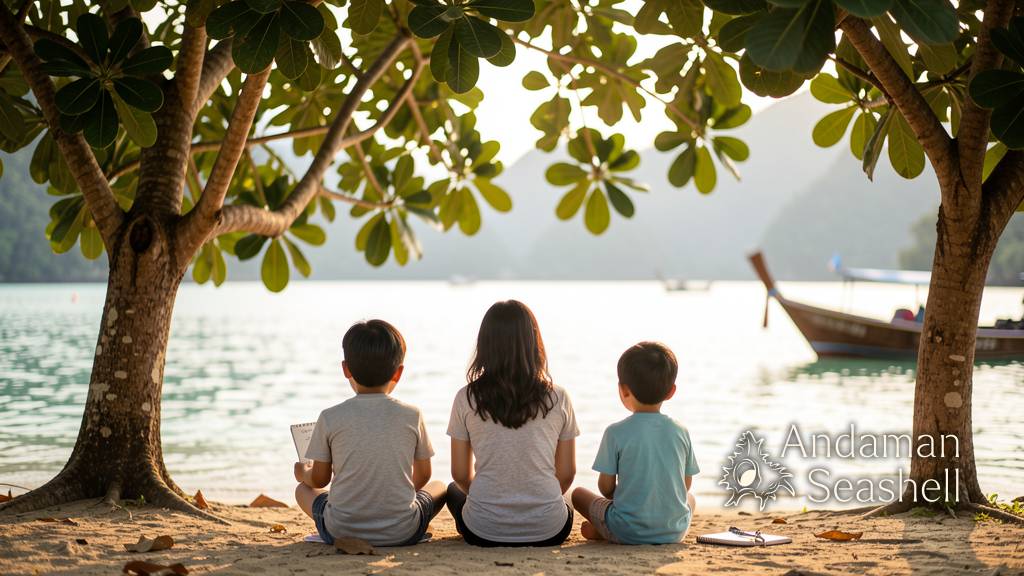
For Phang Nga, the beauty of this story is its scale. A small island can teach a large idea. Care does not need to be loud to be impressive. Sometimes it looks like a clean path, a clear rope, a friendly instruction, and a beach that still feels like itself at sunset. Lawa Yai’s award turns beach management into something travellers can feel — an Andaman welcome made from attention, patience, and respect for the sea.


No comments yet. Be the first to share a thought.