



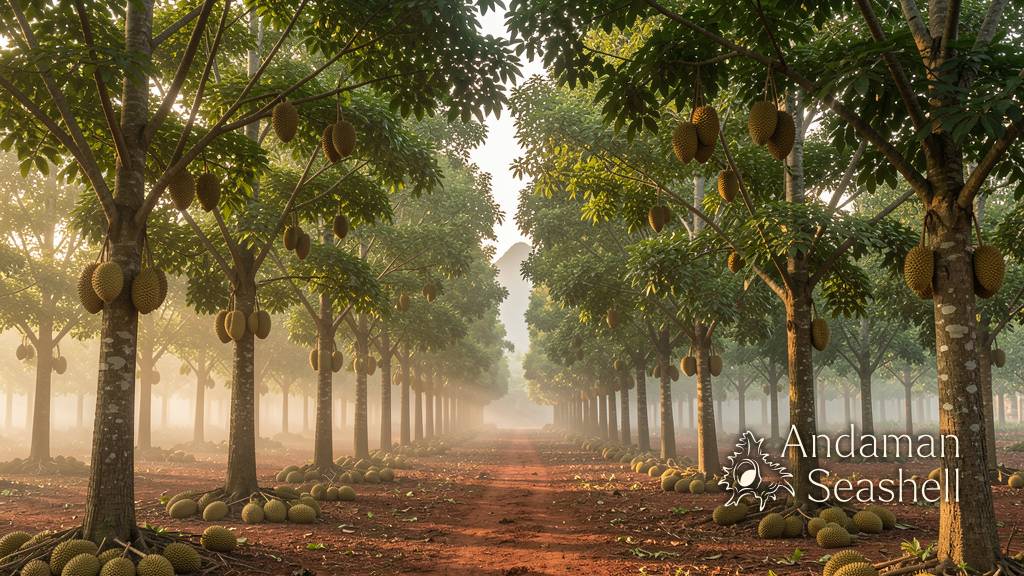
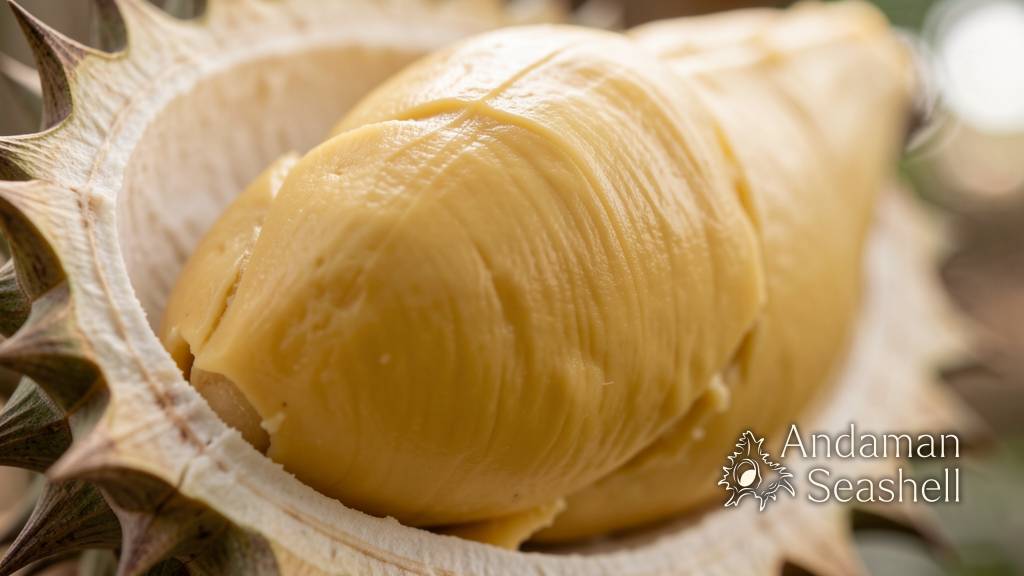
The first crack is barely audible — a seam splitting along the husk like a whisper. Then the aroma arrives: sweet, round, and unmistakably Kapong. By six in the morning, orchard owners in Phang Nga's Kapong district are already selecting the ripest Salika durians, turning each one to check the natural split that tells them the flesh inside has reached its creamy, golden peak.
This is the sound of June in southern Thailand, and this year it carries a festival with it.
A Festival Rooted in a Hundred Years of Soil
The Kapong Durian Festival 2026 has opened in Kapong District, Phang Nga, and the celebration is as much about heritage as it is about fruit. The Salika durian — Phang Nga's signature variety — is believed to have arrived in Kapong around a century ago, when tin miners brought seeds from an unknown origin and planted them in the district's mineral-rich soil [ref:1]. Over generations, the fruit developed a character found nowhere else: a creamy texture, a sweet and smooth aroma, and a balance that durian lovers describe as gentle rather than overwhelming.
The Salika is now a registered geographical indication (GI) product, meaning its identity is legally tied to this specific patch of the Andaman coast. You cannot grow a Salika elsewhere and call it one. The soil, the rainfall pattern, the shade from surrounding hills — they all contribute to what ends up cracked open on a wooden table at dawn [ref:2].
What Happens at the Festival
This year's festival fills Kapong with activity for the community and visitors alike:
- Durian buffet featuring local varieties, including the Salika and the older Nok Yip (นกหยิบ), known for its mellow sweetness
- Golden Durian contest, where growers compete for recognition of the season's finest fruit
- Over 80 food and local product stalls, including OTOP (One Tambon One Product) crafts and regional foods
- Cultural activities and live entertainment throughout the festival grounds
- Orchard visits, where visitors can walk among the trees and taste fruit straight from the source [ref:3]
The atmosphere is part harvest celebration, part family reunion. Children run between stalls while their grandparents weigh durians by hand, the way it has always been done.
The Numbers Behind the King of Fruits
The scale of Salika production tells its own story. In 2026, Phang Nga expects to produce approximately 4,285 tonnes of durian from 8,919 rai of productive orchards across the province. Of that total, the Salika variety accounts for roughly 400 tonnes — a smaller share, but one that generates over 100 million baht per season [ref:2]. The Salika commands a premium precisely because it cannot be replicated elsewhere.
This year, 34 orchards in the Kapong area are participating in organised fruit tourism, opening their gates to visitors who want to experience the harvest directly. A recent promotional caravan brought 65 vehicles and over 200 visitors to Kapong orchards in a single trip — evidence that the appetite for agricultural tourism on the Andaman coast is growing steadily [ref:2].
Fruit Tourism: Beyond the Beach
What makes the Kapong Durian Festival significant is what it represents for the Andaman coast's broader identity. Visitors who come for the beaches of Khao Lak or the limestone karsts of Phang Nga Bay increasingly discover a second Andaman: one of orchards, farm stalls, and fruit-laden markets that extend the visitor season well beyond the high-season months.
After the Salika harvest winds down, mangosteens, rambutans, and jackfruit take over, drawing visitors through July and August. Phang Nga's mangosteens have their own GI certification, and the overlap of seasons means there is almost always something ripe and ready to taste [ref:4].
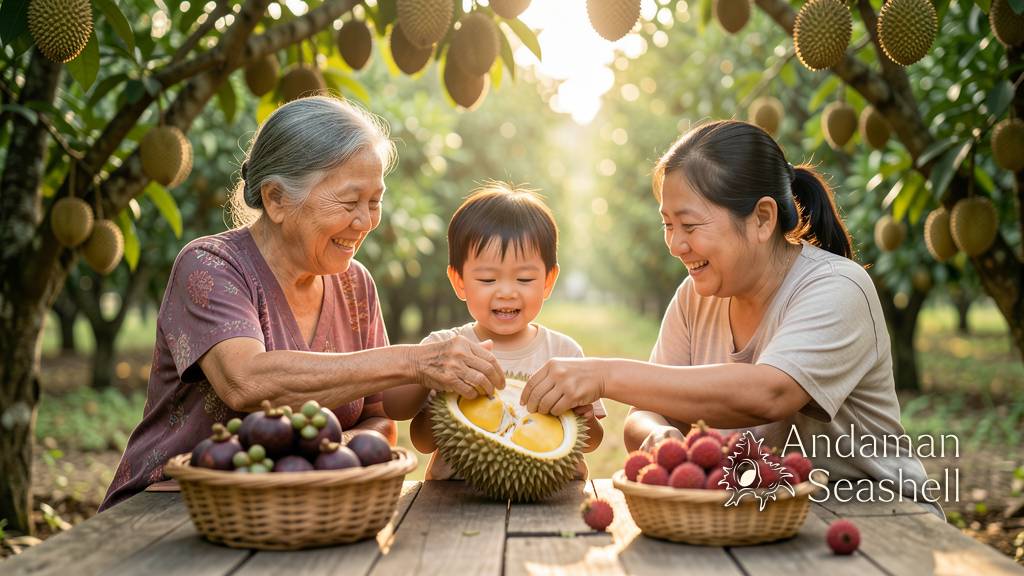
The shift matters for the community, too. Fruit tourism spreads income across more months and more families. Orchard owners like Ronnapol Khwanseng of Suan Keng Orchard note that while farm-gate prices fluctuate year to year, demand for Salika remains strong because its flavour is distinctive — and because more people now come to taste it at the source [ref:2].
A Taste You Can Only Find Here
The Salika durian will not travel the way a Monthong does. It does not freeze well for export, and its creamy flesh is best eaten within hours of the husk splitting open. That fragility is part of its charm — it is a fruit that asks you to come to where it grows, to sit under a tree, and to eat it while the morning is still cool.
The Kapong Durian Festival is an invitation to do exactly that. The fruit is ready. The orchards are open. And the sound of a husk cracking open in the dawn light is, for the people of Kapong, the most natural festival bell in the world.


No comments yet. Be the first to share a thought.