



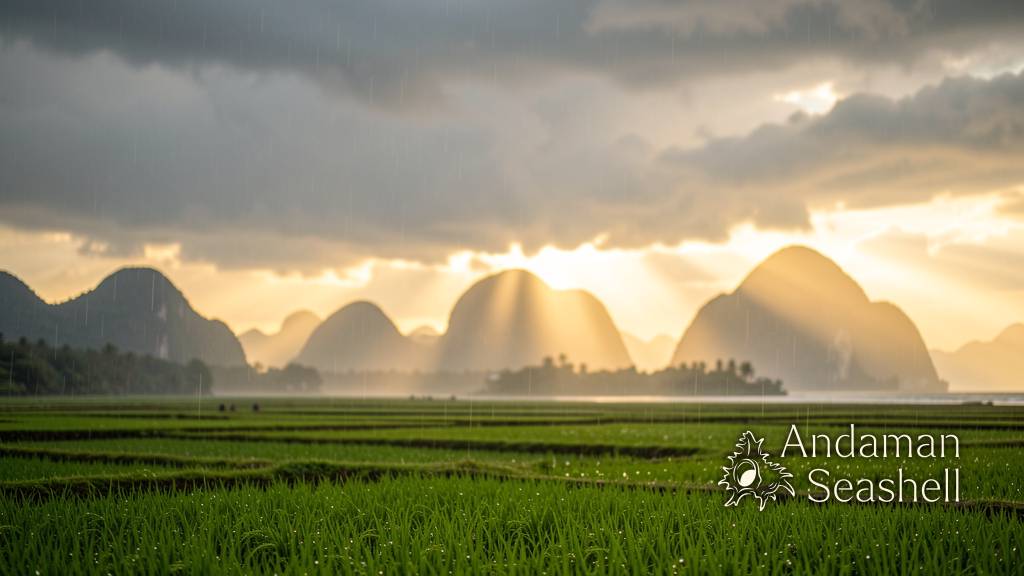
There is a moment in late June, just after the afternoon rain, when the rice paddies around Phang Nga glow so intensely green they seem lit from below. The clouds part. Sunlight pours through in wide golden columns. A kingfisher shoots across the road like a turquoise dart. And you think: this is what everyone is missing.
The Andaman coast from June through October is what Thailand's tourism authority now calls the green season — and the name is no marketing trick. It is the truest description of what happens here when the rains come. The landscape doesn't retreat. It erupts. [ref:1]
Why Phang Nga Bay Stays Calm When the Open Sea Doesn't
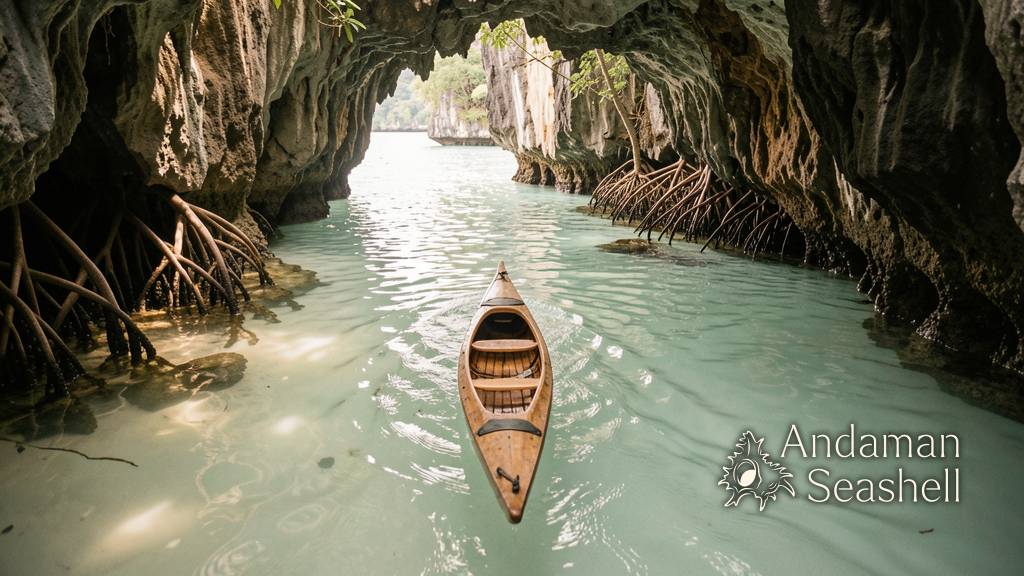
Here is the geographic gift that most first-time visitors don't know about: Phang Nga Bay is sheltered. While the open Andaman Sea west of Phuket can get rough during monsoon months, the bay sits behind a wall of limestone karsts that break the swell before it arrives. The result is water so calm that seasickness-prone travellers regularly describe it as like a lake. [ref:2]
This means that sea canoe and kayak tours through the bay's famous limestone caves — the hongs, or hidden lagoons accessible only by paddling through narrow cave tunnels at the right tide — run year-round. You glide between towering cliffs draped in mangrove roots, round a bend, and find yourself inside a secret garden of water and stone that maybe twenty people will see that day. In peak season, those same lagoons are shared with dozens of boats.
Waterfalls You Can Actually Hear
Head inland from Khao Lak and the green season reveals another treasure. Ton Chong Fa Waterfall, about twenty minutes from Khao Lak town, is a multi-tier cascade that during dry season is a gentle trickle. Visit between June and November, and it roars. The best time to visit for peak flow is during the rainy season, when water thunders down dark granite shelves into deep jade pools fringed with ferns and jungle vines. [ref:3]
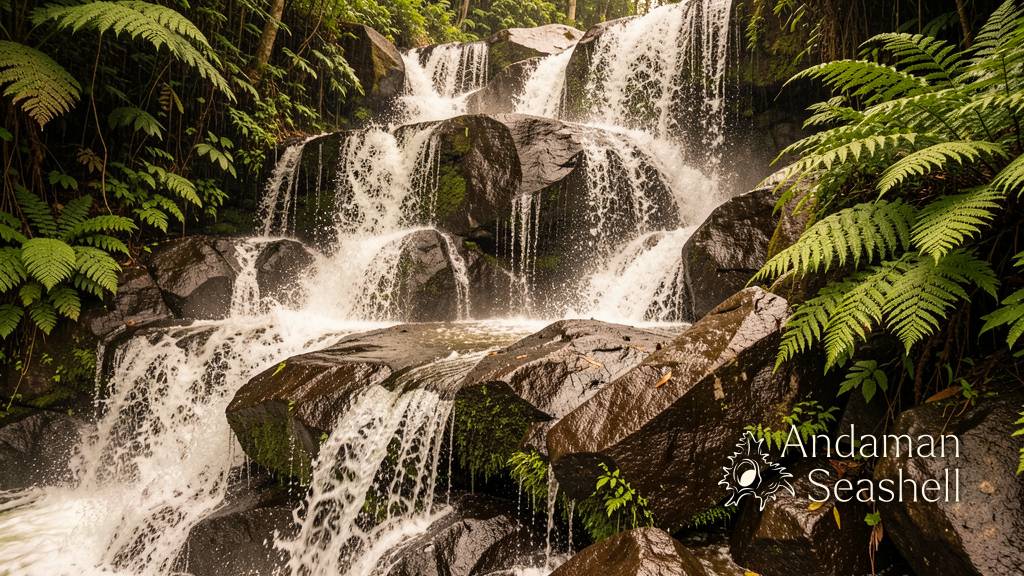
You can swim in the lower pools, hike the trail to the upper tiers, and listen to a sound that simply does not exist during the dry months — the deep, percussive voice of a forest fully hydrated.
Fewer Crowds, Real Connection
This is where the green season becomes more than scenery. With far fewer international tourists on the coast, the pace of everything slows in the best way. The morning market in Takua Pa isn't a queue of cameras — it's aunties selling fresh crab, a fisherman mending nets by the stall, a grandmother folding khanom sweets with hands that have done it ten thousand times. You can actually talk to people. You can sit.
Local artisans have more time to share their craft, too. Batik painters in Phuket's Old Town demonstrate how wax resist works on cotton. Rubber tappers explain the rhythm of their pre-dawn rounds. Shell collectors along the shore find that rain-swollen tides wash up species rarely seen in calmer months — nature's own surprise delivery.
The Photographer's Secret Season
If you have ever wondered why professional travel photographers seem to capture Thailand differently than your holiday snaps, the answer is often light — and the green season produces the most dramatic light of the year. Towering cumulonimbus clouds build in the afternoons, filtering sunlight into beams and shafts. Rain-washed air is crystal clear when the storm passes. Colours saturate without filters. The limestone karsts of Phang Nga, already surreal, become almost otherworldly under broken cloud.
A practical rhythm emerges: mornings are often clear and bright, perfect for kayaking and beach walks. Afternoons bring the rain — a dramatic, warm downpour that lasts an hour or two. Then the sky opens again for golden hour. Plan around it, and you get the best of both worlds.
What to Pack for the Green Season
- A lightweight rain jacket — not a poncho, which tears in wind
- Quick-dry clothing; avoid heavy cotton
- A dry bag for phones and cameras on boat tours
- Water shoes with grip for waterfall trails
- An umbrella for market strolling (locals do this year-round)
- A sense of curiosity — because the green season rewards it more than any other
The Best Time to Be Here
The Andaman green season is not a compromise. It is a different kind of perfection — quieter, greener, more intimate, and full of surprises that the dry season simply cannot offer. The waterfalls sing. The bay is yours. The light is a gift.
If you have only ever visited in December, come back in July. Stand on the shore at Khao Lak after an afternoon storm. Watch the clouds open. You will understand immediately why the people who live here love this season most of all.


No comments yet. Be the first to share a thought.