



The rain arrived at four in the afternoon, exactly when the batik artisan in Takua Pa had promised to show me how she mixes her indigo dye. We sat under the tin roof of her workshop, listening to the downpour drum above us, while she lowered a folded cotton cloth into a clay pot of fermented leaves. The blue that bloomed across the fabric was darker and richer than anything I had seen in a dry-season market stall. "The humidity helps," she said, smiling. "The colour sets deeper when the air is wet."
That moment — sheltered, unhurried, serendipitous — is the green season on the Andaman coast. And if you have only ever visited between November and March, you have seen half the story.
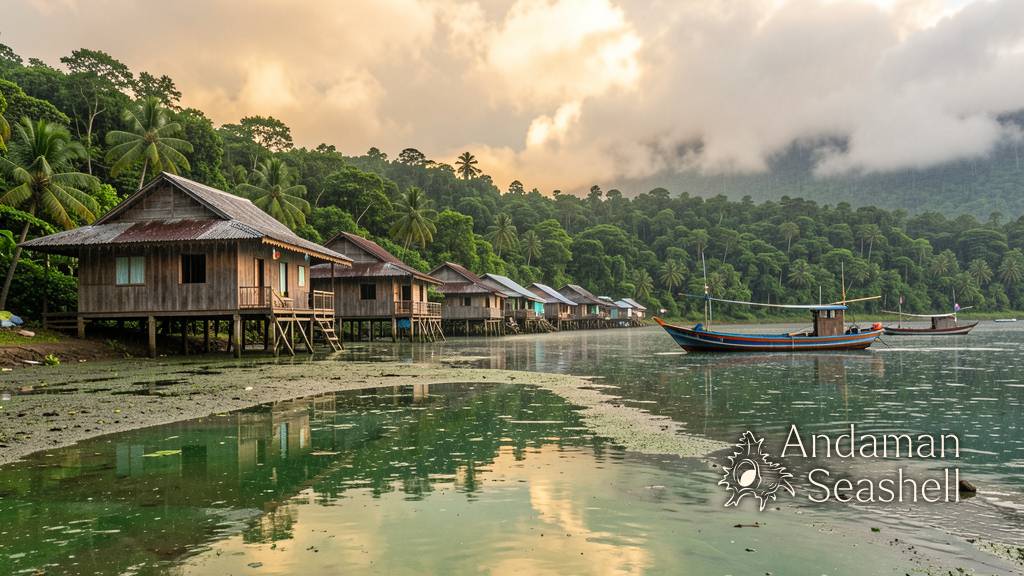
What the Monsoon Actually Looks Like
Let's clear up the most common misunderstanding. The southwest monsoon, which sweeps across Phang Nga and Phuket from roughly May through October, does not mean all-day rain. It means spectacular rain — often a dramatic afternoon or overnight downpour that leaves the air washed clean and the jungle visibly greener than you thought possible. Mornings are frequently bright, warm, and cloud-swept, with a softness to the light that photographers chase for years [ref:1].
The sea along the exposed western coast does get choppy, which is why the Similan and Surin Islands national parks close for restoration during these months — a sensible pause that lets coral reefs and their resident marine life recover undisturbed. But Phang Nga Bay, sheltered by its limestone karst walls, stays calm enough for year-round kayaking.
Waterfalls at Their Loudest
Visit Ton Chong Fa waterfall in Phang Nga during the dry months and you will find a gentle trickle over mossy rocks, lovely in its own quiet way. Visit it in July and you will hear it before you see it — a thundering cascade that fans out across wide granite ledges, sending mist into the surrounding rainforest canopy. Lampi Waterfall, a short drive from Takua Pa, transforms similarly, its three tiers swelling with monsoon runoff [ref:2].
This is the season when these falls perform at full volume. The forest trails leading to them burst with new growth — ferns unfurling, mushrooms fruiting along fallen logs, and the constant, layered sound of water moving through a landscape that is very much alive.
Mangrove Forests at Peak Green
The mangrove channels of Phang Nga Bay — the largest expanse of mangrove forest remaining in Thailand — are extraordinary in any season, but the monsoon gives them a luminescent, almost electric quality. The aerial root systems of Rhizophora and Avicennia mangroves plunge into water that runs tea-dark with tannins, and every surface is coated in a film of new green growth.
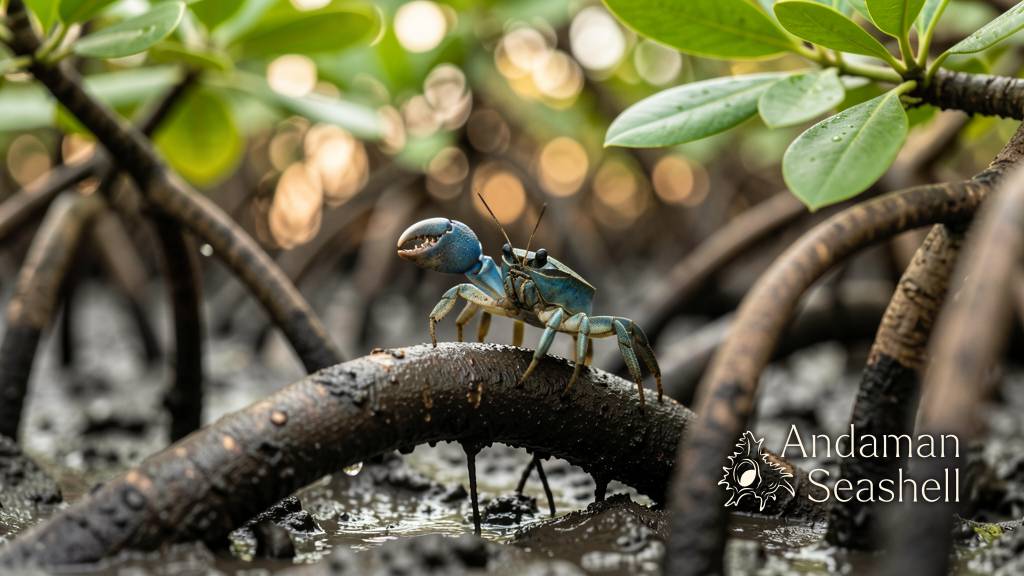
Kayaking through these channels during the green season is an immersion in a living ecosystem at its most active. Fiddler crabs wave their oversized claws along the mud banks. Mudskippers dart across exposed roots at low tide. Kingfishers flash turquoise against the dark water. The monsoon rains flush nutrients through the system, and the whole forest hums with the effort of growing [ref:3].
Artisan Workshops Without the Queue
In high season, visiting a batik studio in Phuket Old Town or a coconut shell carver in Phang Nga can feel rushed — there are other visitors waiting, and the artisan has ten orders to fill before the next tour bus arrives. The green season changes that dynamic entirely.
Workshops are quieter. Conversations run longer. You can sit with a craftsperson for an hour, watching them work, asking questions, learning the story behind a technique that their family has practiced for generations. This is when the Andaman coast's artisan traditions — batik dyeing, shell inlay, coconut carving, traditional weaving — reveal themselves not as products for sale, but as living practices rooted in community and season.
Practical Tips for Green Season Travel
A few honest notes for planning:
- Pack a lightweight rain jacket. Not a heavy waterproof — the air is warm and humid, so you want something that sheds rain without trapping heat.
- Plan outdoor activities for mornings. Rain tends to arrive in the afternoon, so waterfall hikes, mangrove kayak trips, and beach walks are best before noon.
- Embrace the pause. When the rain comes, find a covered sala, order a fresh coconut, and listen. Some of the best moments on the Andaman coast happen when you stop moving and simply pay attention.
- Check island access. Similan and Surin Islands are closed May–October, but Phang Nga Bay, Koh Yao Yai, and Koh Yao Noi remain accessible and beautiful year-round.
- Support off-season businesses. Small artisan workshops, family restaurants, and community tourism projects depend on green-season visitors to sustain them through the quiet months.
The Beach Belongs to You
There is a particular kind of wonder that comes from standing on an empty beach at sunrise after an overnight rain. The sand is smooth and firm, washed into ripple patterns by retreating water. The air smells of salt and fresh greenery. A single longtail boat rocks at anchor, its painted prow catching the first warm light.
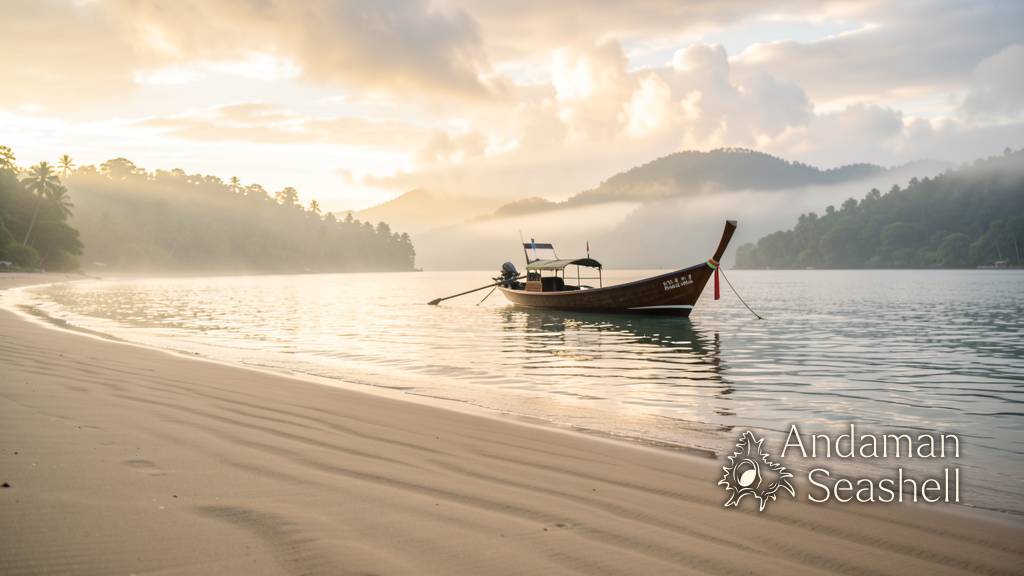
This is the Andaman coast in July — not diminished by the rain, but deepened by it. The waterfalls roar. The mangroves glow. The artisans have time to talk. And if you are the kind of traveller who values quiet wonder over guaranteed sunshine, you may find that this is the season the coast has been saving for you.


No comments yet. Be the first to share a thought.