



Mount Olympus looks especially bright this summer: on 26 July 2026, the wider area of Greece’s most storied mountain was inscribed on UNESCO’s World Heritage List, giving a fresh official shine to a place that has lived in human imagination for centuries.[ref:1][ref:2] The news feels delightful because Olympus has always offered two kinds of wonder at once — the joy of a real mountain you can hike, and the larger-than-life pleasure of knowing that ancient Greeks placed the Twelve Olympian gods among these peaks.[ref:3][ref:5]
The new inscription was approved during the 48th session of the World Heritage Committee in Busan, Republic of Korea, where 25 sites were added to the list this year.[ref:2][ref:5] Olympus was recognised as a mixed property, which means its cultural meaning and natural landscape are being celebrated together.[ref:5] That pairing suits the mountain perfectly. UN News describes it as an enduring emblem of Greek civilisation, while UNESCO’s biosphere profile notes the remarkable terrain created by its proximity to the sea and its abrupt rise inland.[ref:2][ref:3]
Why this mountain feels so special
Olympus is not just a symbol on a postcard. UNESCO’s Man and the Biosphere programme records the reserve at 37,371 hectares, with no settlements inside the protected area itself.[ref:3] Across that landscape are Mediterranean shrublands, beech and oak woods, black-pine forests, montane grasslands, and alpine zones — a full vertical story of ecosystems packed into one legendary massif.[ref:3] UNESCO also counts 104 bird species here, including seven kinds of woodpecker, along with 32 mammal species.[ref:3]
That helps explain why the mountain has remained so magnetic to walkers, naturalists, and storytellers. You come for the mythology, but the biodiversity keeps widening the picture. Homer’s gods may be the famous residents, yet today’s visible cast includes golden eagles, chamois, and deeply folded valleys that still look theatrical enough for epic arrivals.[ref:3]
How visitors actually experience Olympus
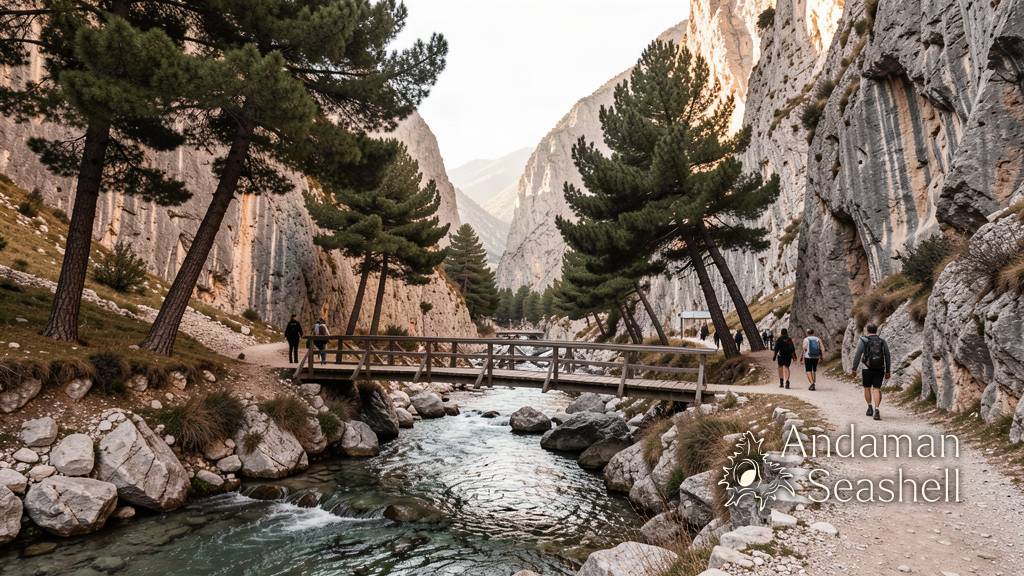
One of the loveliest things about the Olympus story is how practical it becomes once you lace up your shoes. The route guide from Visit Greece turns myth into measurements. The Enipeas Gorge walk begins near Myli outside Litochoro at about 400 metres altitude and follows the E4 path for 12 kilometres to Prionia.[ref:4] The crossing usually takes 6 to 8 hours with around 700 metres of elevation gain, and along the way hikers cross the river seven times on a route shaded by plane trees, black pines, and cliff walls.[ref:4]
Not far from that path, the Enipeas waterfall drops 38 metres into turquoise water, while the nearby Old Monastery linked to Saint Dionysios was founded in 1542.[ref:4] Even the historical layers feel stacked like terraces. A mountain famous for gods also carries a chapel cave, monastery ruins, and Iron Age archaeological traces around its foothills.[ref:3][ref:4]
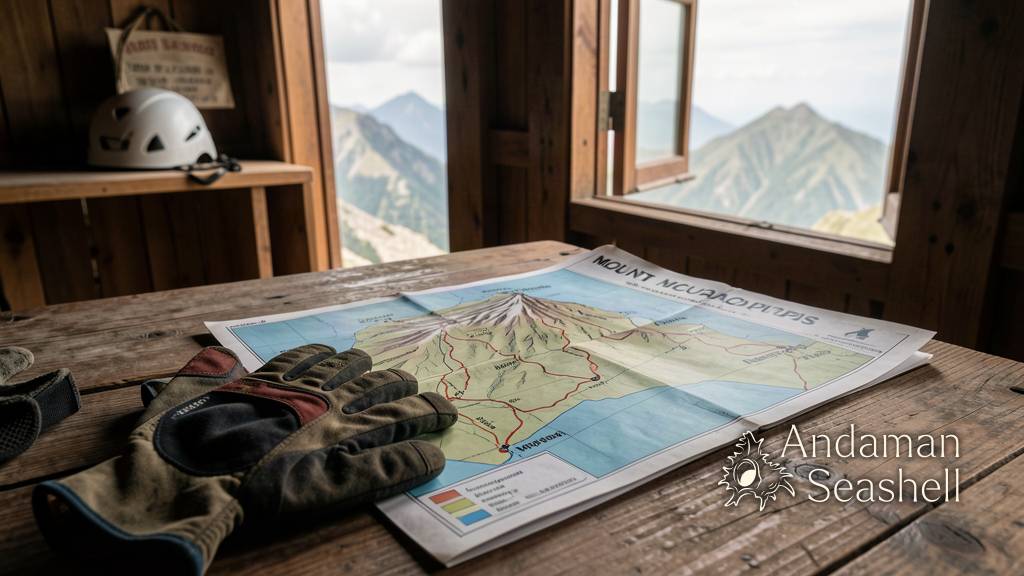
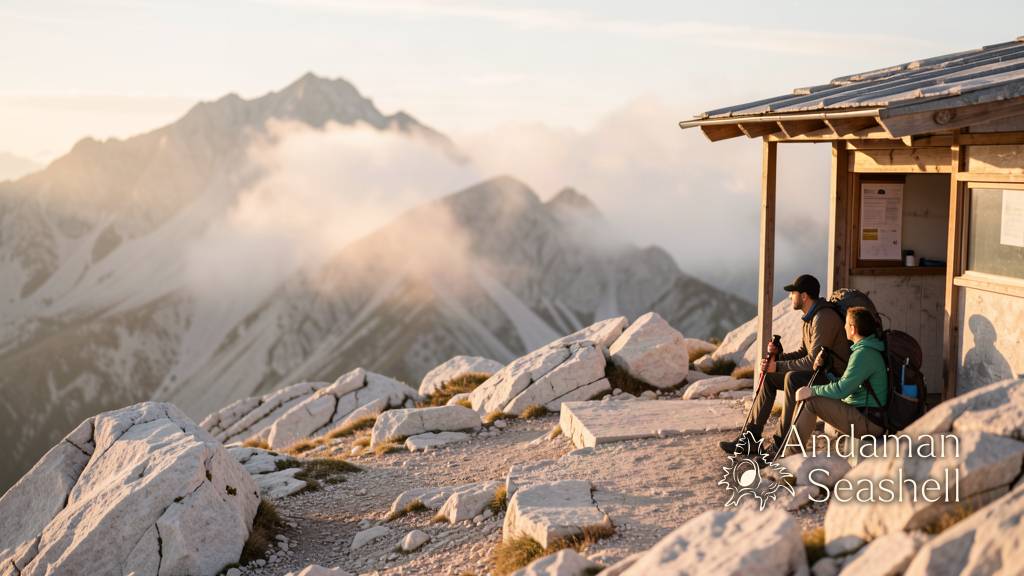
For many walkers, the next emotional step is the climb toward the Spilios Agapitos Shelter. The trail from Prionia runs 6.5 kilometres, usually takes about four hours, and gains roughly 1,000 metres in altitude.[ref:4] The shelter itself was founded in 1930, sits at 2,060 metres, and offers 110 beds during the May-to-October operating season.[ref:4] It is exactly the kind of detail that makes Olympus feel welcoming rather than remote: even a mountain wrapped in legend has a real balcony for sunrise.
From there, experienced hikers can continue toward Mytikas, the highest peak in Greece at 2,918 metres.[ref:4] That upper stretch adds 4.5 kilometres, another 3 to 4 hours, and about 900 metres of elevation gain, with certified guides strongly recommended for the most demanding sections.[ref:4] Below the summit, the Plateau of the Muses sits at 2,650 metres, and nearby Stefani is famously nicknamed the “throne of Zeus.”[ref:4]
A happy new chapter for an old legend
What UNESCO has really done is make the invitation clearer. Olympus is now easier to read in one glance: a place of trails, ecology, archaeology, and story, all held together in one mountain. For travelers, that is the best kind of recognition — not a velvet rope, but a brighter map.
The result is wonderfully simple. You can stand on a bridge in Enipeas Gorge, look up at a limestone wall, and feel the scale of both time and imagination at once. A mountain newly celebrated by UNESCO still offers the oldest pleasure of all: the sense that the world is bigger, richer, and more playful than it looked from far away.[ref:2][ref:5]


No comments yet. Be the first to share a thought.