



A summer field in Grouville has become one of those lovely places where deep time suddenly feels close enough to wave at. Opposite the entrance to La Hougue Bie, archaeologists have begun a new three-year project that starts with a two-week dig and invites visitors to watch the work as it happens. The mood is not dusty or distant at all. It feels open, bright, and wonderfully human: people in high-vis vests in the soil, curious visitors on the mound, and one of Jersey’s oldest stories being read again with fresh eyes.[ref:1][ref:2]
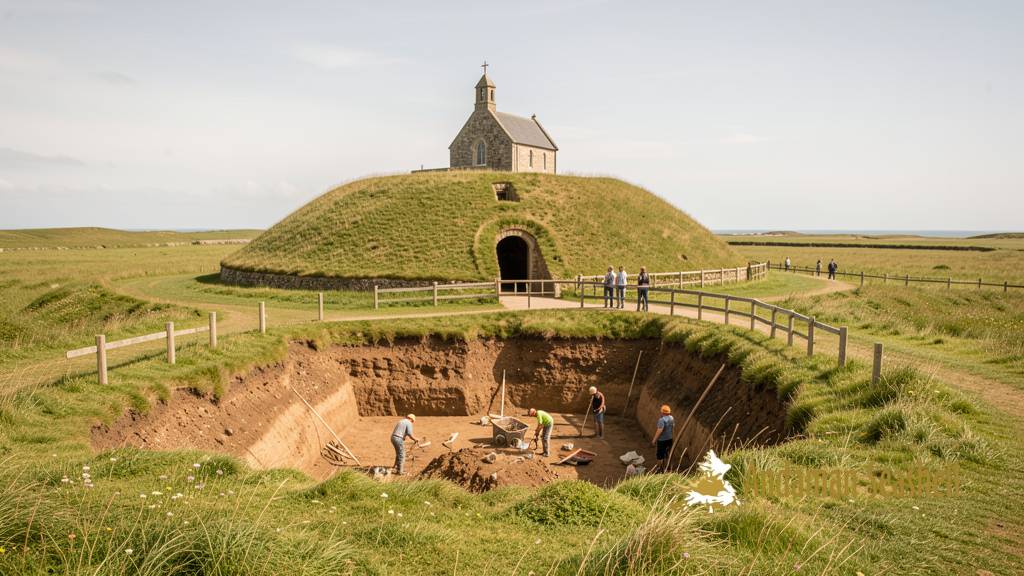
What makes this especially exciting is the location. The trench sits in Jardin de Perchard, the field opposite the entrance to La Hougue Bie, and the team comes from England, Wales, Sweden, and Denmark.[ref:1][ref:2][ref:3] Jersey Heritage says they are combining geophysical survey with targeted test pitting, which means the project is not only about digging deeper but also about reading the landscape carefully before and around every cut in the earth.[ref:2] The fieldwork in this first season runs until 6 August 2026, then returns over the next two summers, so the story has been designed to unfold patiently rather than all at once.[ref:1][ref:3]
Why La Hougue Bie still feels magical
La Hougue Bie is already extraordinary before a single new shovel enters the ground. Jersey Heritage dates the passage grave to 4000–3500 BCE and calls it one of the 10 oldest buildings in the world.[ref:4] The mound above it rises about 12.2 metres high and 58 metres wide, which helps explain why it still dominates the landscape today.[ref:5] Inside is an 18-metre-long passage grave with three smaller side chambers, discovered beneath the mound in September 1924 by the Société Jersiaise.[ref:5]
That alone would be enough to make the site memorable, but La Hougue Bie keeps one more beautiful secret. On clear spring and autumn equinox mornings, sunlight can travel all the way down the passage and light the stone at the far end.[ref:5] It is one of those details that makes the monument feel less like a ruin and more like a carefully tuned piece of human imagination. The builders were not simply piling earth over stone. They were shaping a place where light, season, ritual, and memory could meet.
A field that reaches beyond the Neolithic
The new dig is fascinating because it aims to read more than the tomb itself. Olga Finch of Jersey Heritage says archaeologists want to understand how the landscape was used 6,000 years ago when the burial chamber was active, but also what deep Ice Age sediments under the field might reveal about climate and ancient people, including Neanderthals, over the last quarter of a million years.[ref:1][ref:2][ref:3] Dr Matt Pope of UCL adds that the project can help “unlock Jersey’s full story,” especially because archaeologists know quite a lot about the island’s coastline, while the interior is only now being taken seriously in the same way.[ref:2][ref:3]
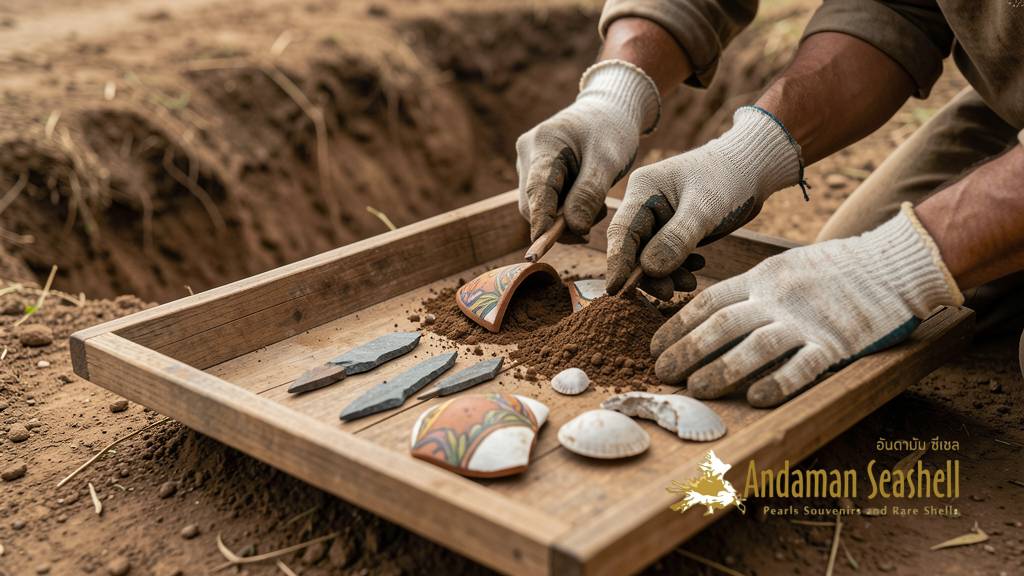
La Hougue Bie has already yielded wonderfully tangible clues. Earlier excavations found the remains of 19 pottery vessels in the chamber, some with decorative lines, and signs that some were used as lamps or for burning offerings.[ref:5] Archaeologists also found human bone from at least eight people near the side chambers, plus flint tools including four transverse arrowheads.[ref:5] Even limpet shells were placed on some capstones during construction — a practice Jersey Heritage describes as a uniquely Channel Islands custom.[ref:5] These are small details, but they make the site feel vividly inhabited rather than abstract.
A rare kind of open-air invitation
For readers who love heritage that feels alive, the public-facing part of this project is especially charming. Visitors over the next two weeks can watch the excavation from the top of the mound by the chapel and hear more from volunteer guides.[ref:2][ref:3] A free open day is scheduled in the field on Sunday 2 August from 10:00 to 14:30, with trench-side talks, displays of artefacts, and other activities.[ref:1][ref:2][ref:3] Even beyond the dig, the site offers a 20-metre replica Neolithic longhouse built over two years by volunteers, plus a chapel on the mound and wider exhibitions about Jersey’s long history.[ref:4]
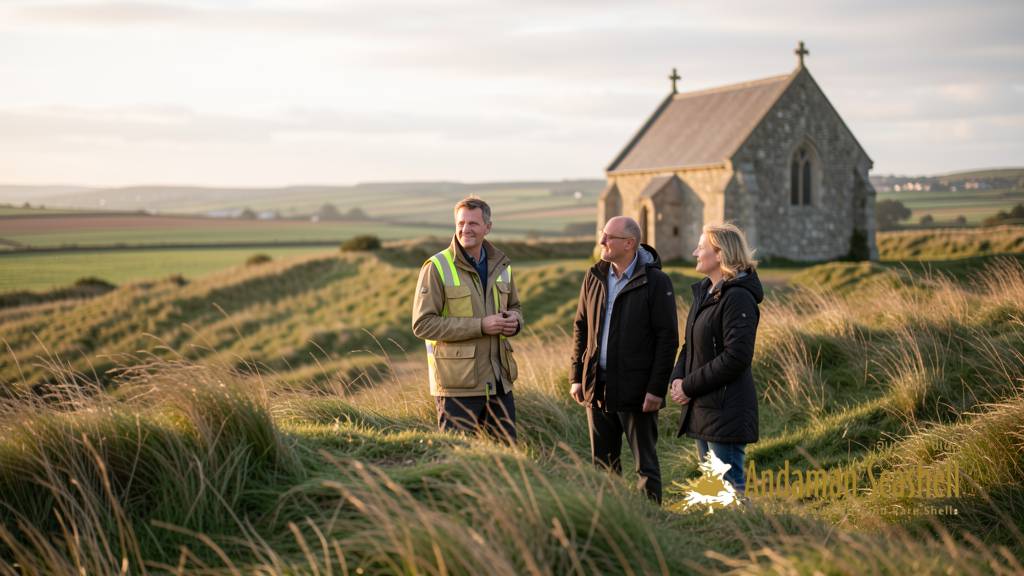
That is perhaps the nicest thing about this summer’s work at La Hougue Bie. It does not treat prehistory as something sealed away behind glass. Instead, it lets a field, a mound, and a handful of careful questions become a meeting point between today’s visitors and people who once aligned stone with the rising sun. Some mysteries are most attractive when they are approached in daylight, with patience, conversation, and a little bit of dust on your shoes.[ref:4][ref:5]
References
- BBC News — Three-year project into ancient land begins
- Jersey Heritage — Archaeologists Dig Into History Of Field At La Hougue Bie
- UCL — Work starts on three-year project that will help unlock Jersey's full story
- Jersey Heritage — La Hougue Bie visitor guide
- Jersey Heritage — The Discovery Of La Hougue Bie


No comments yet. Be the first to share a thought.